Higher Ed
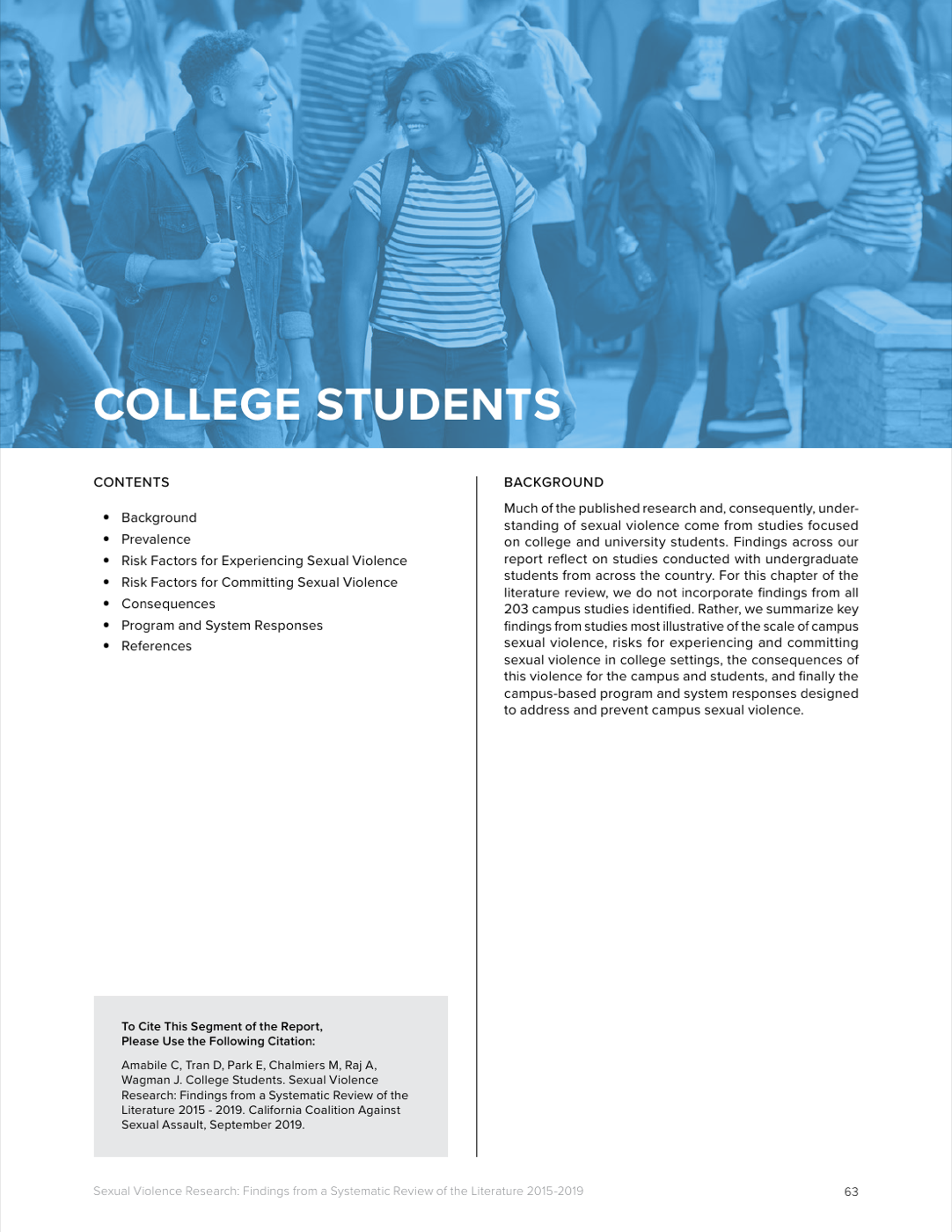
Gender Based ViolenceI came into sexual violence research mid-#MeToo, when the field was expanding rapidly but circling around the same campuses. We pulled together every empirical study published from 2015 to 2019 to see who has been studied, what kinds of violence are we counting, and whose experiences are still missing from the evidence base.
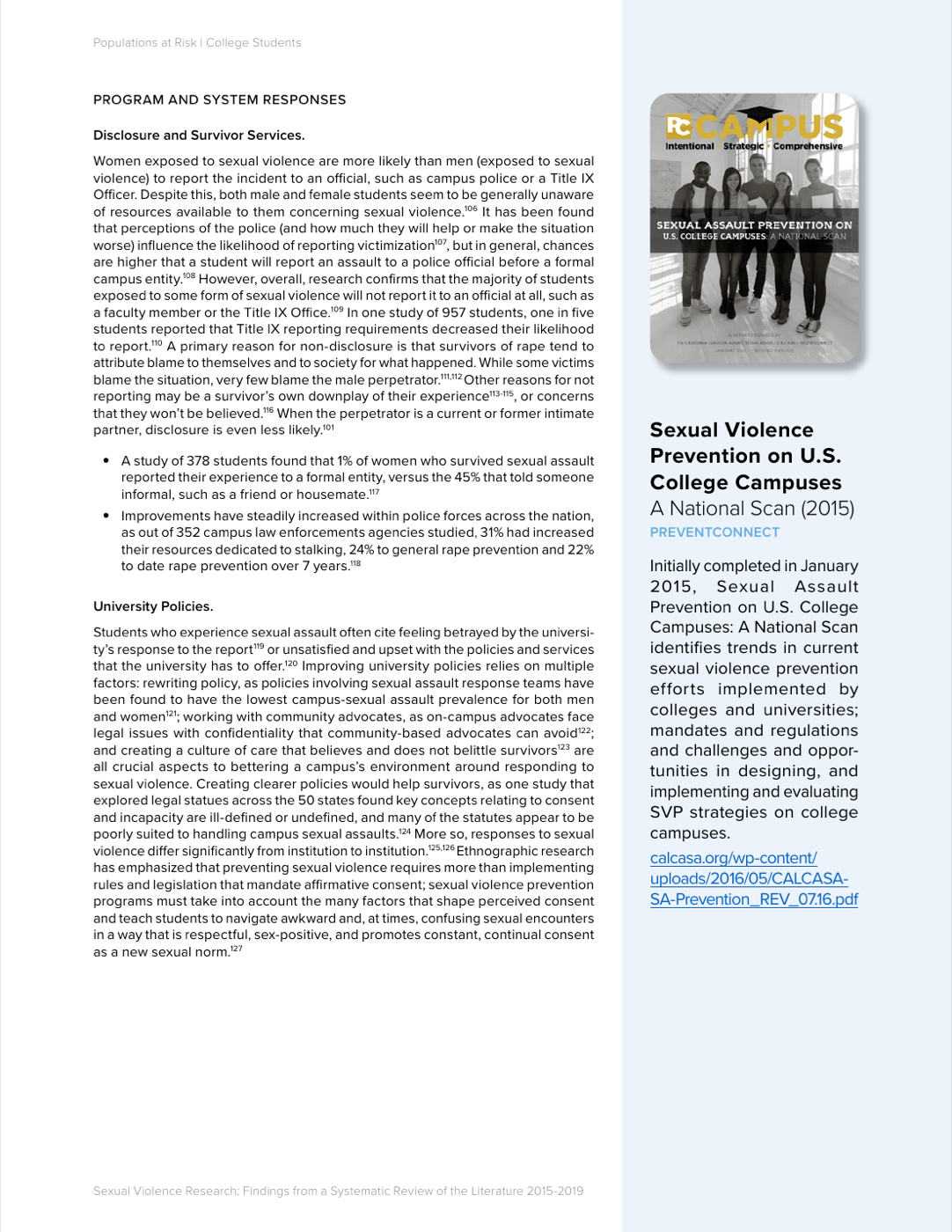
Amabile C, Tran D, Park E, Chalmiers M, Raj A, Wagman J. (2019) College Students. Sexual Violence Research in the #MeToo Era: Findings from a Systematic Review of the Literature Published from January 2015 to March 2019. A Report to the California Coalition Against Sexual Assault. Center on Gender Equity and Health, University of California San Diego. La Jolla. CA.
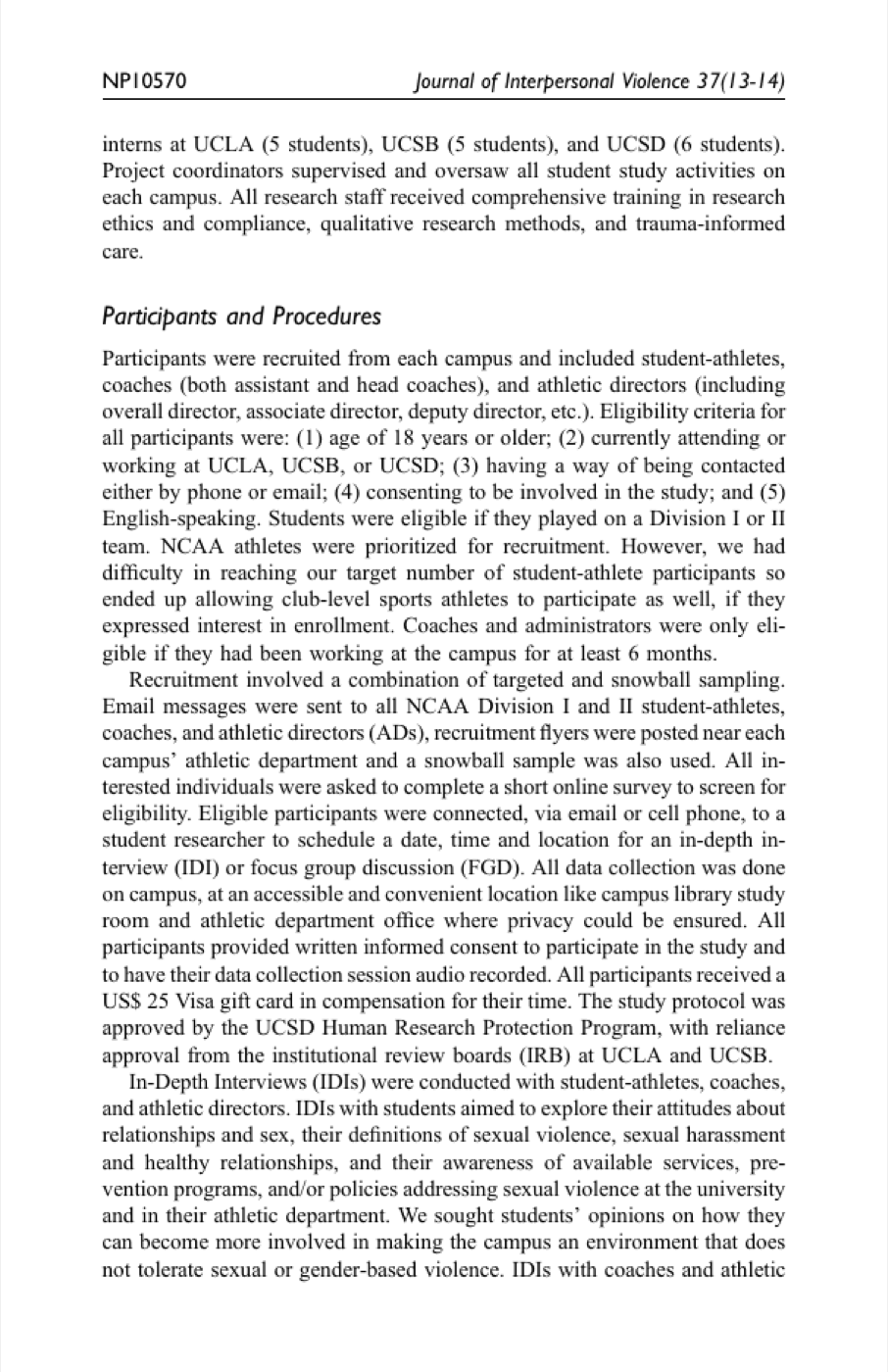
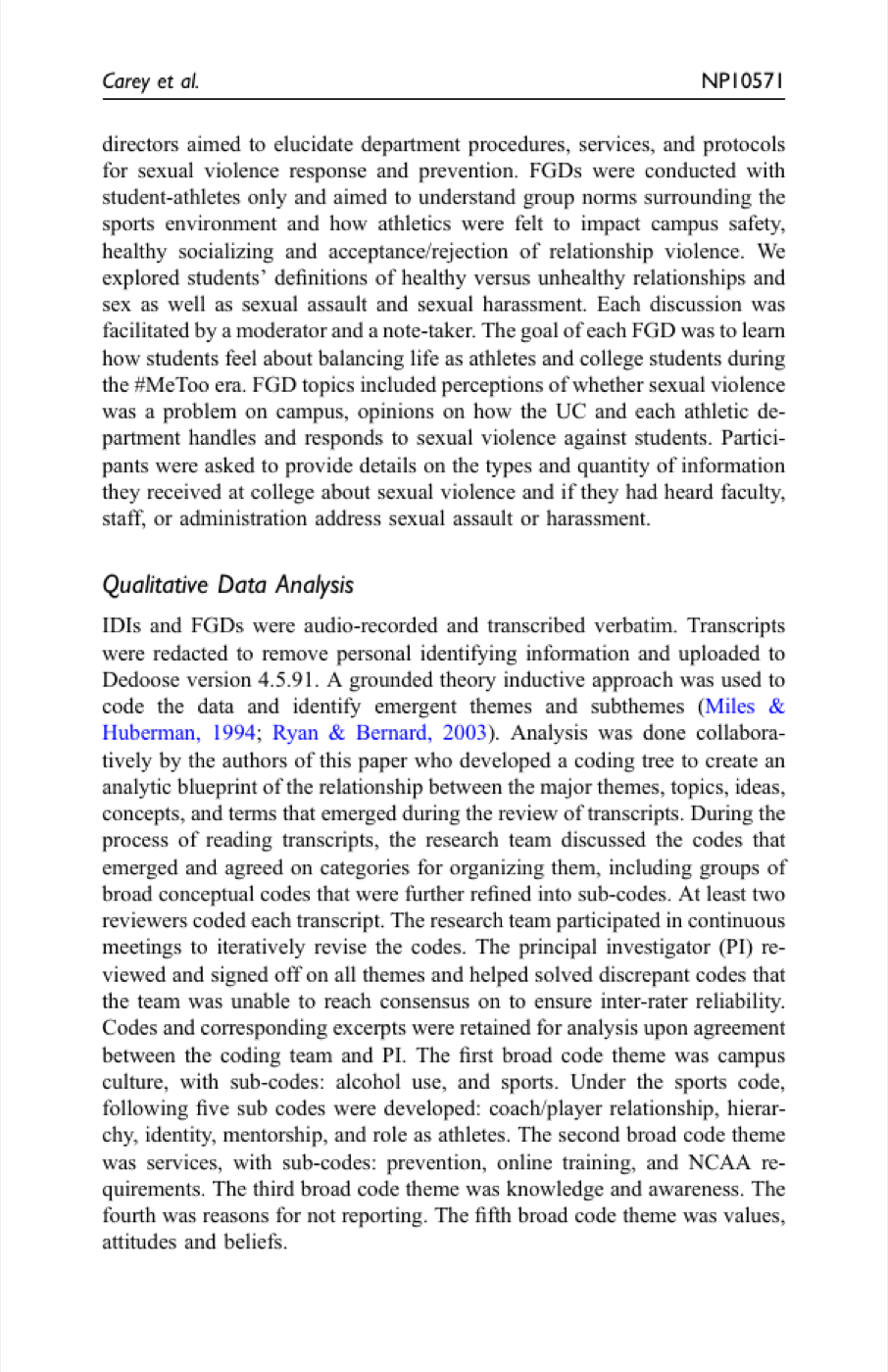
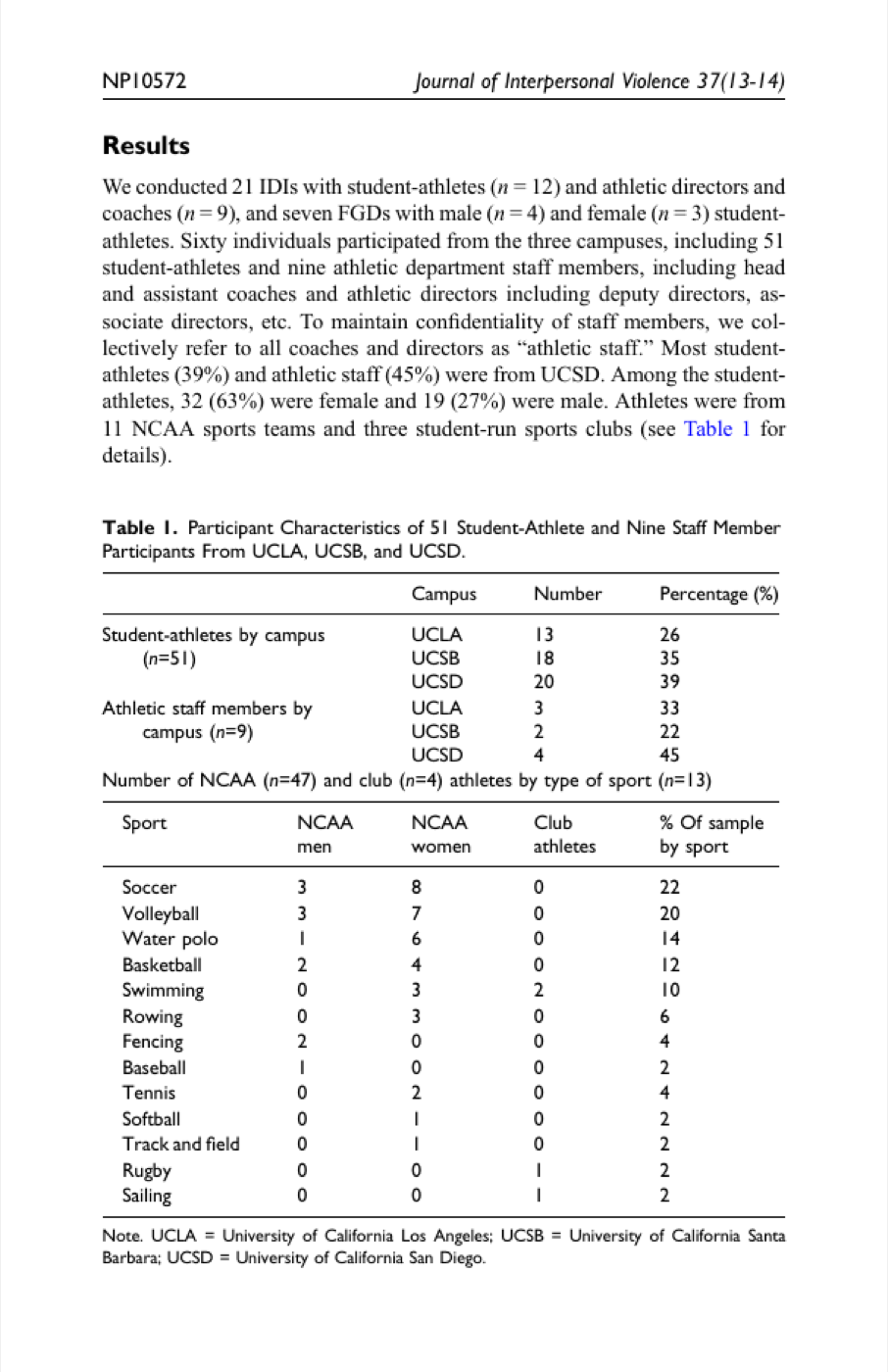
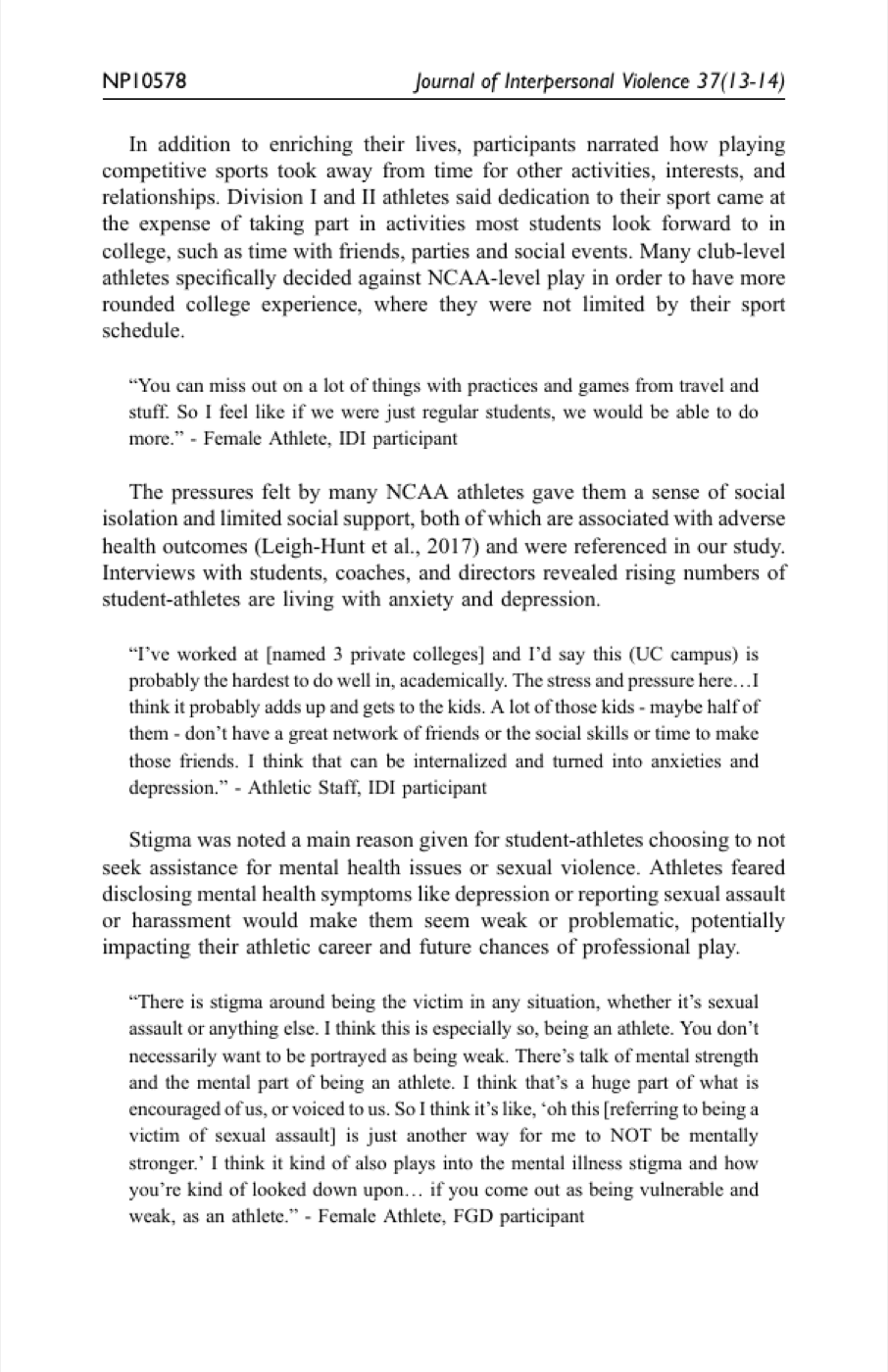
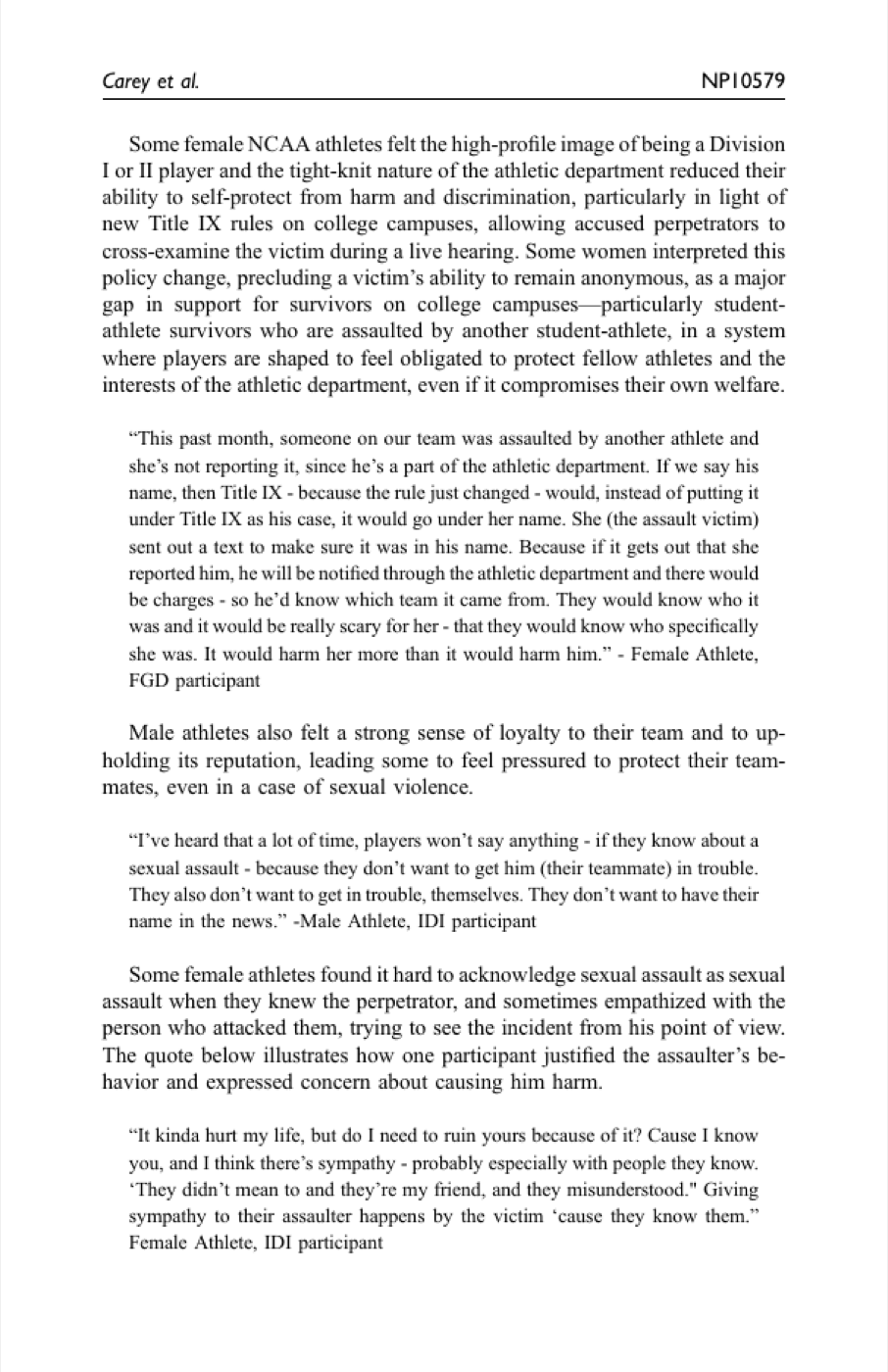
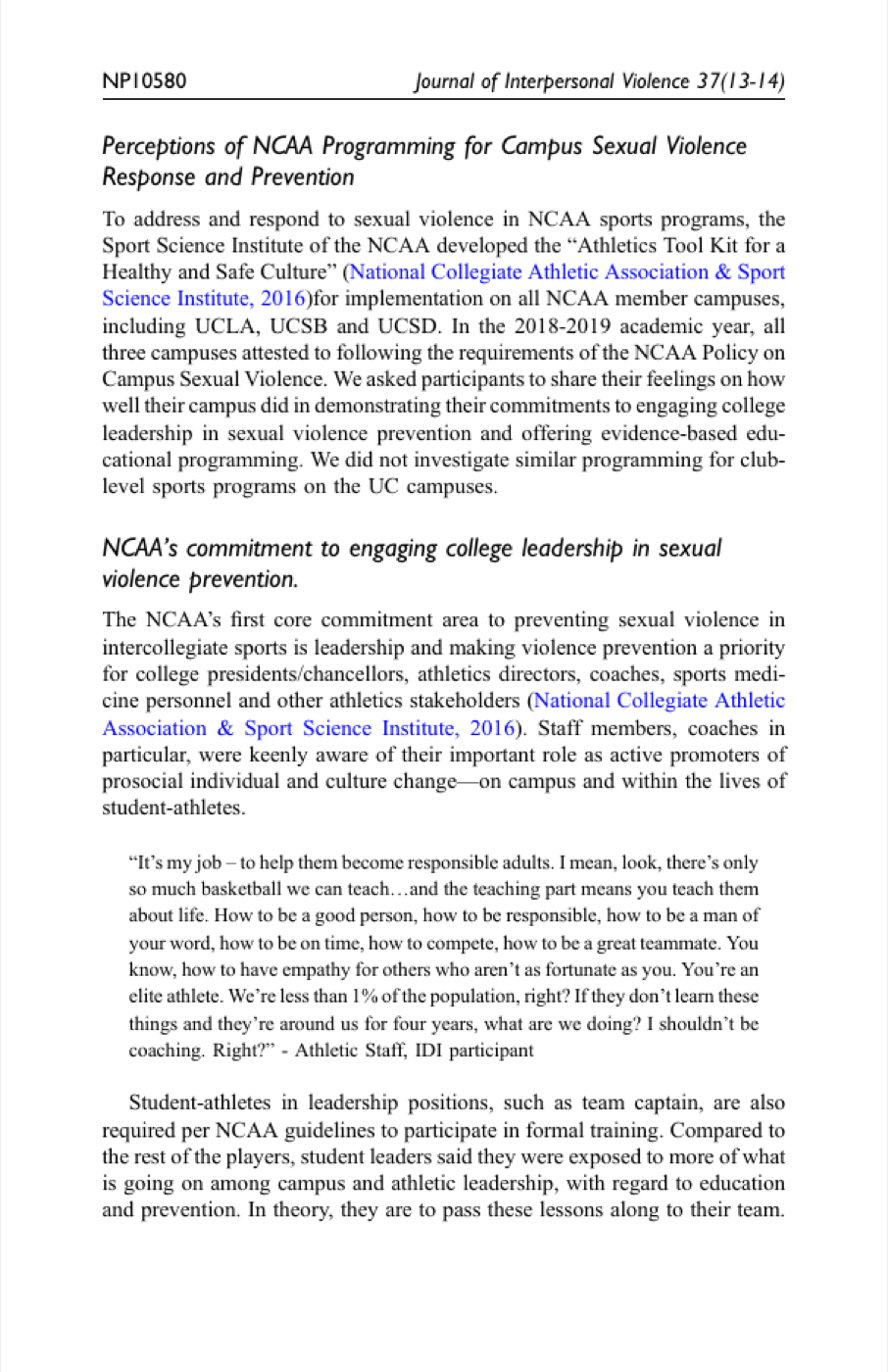
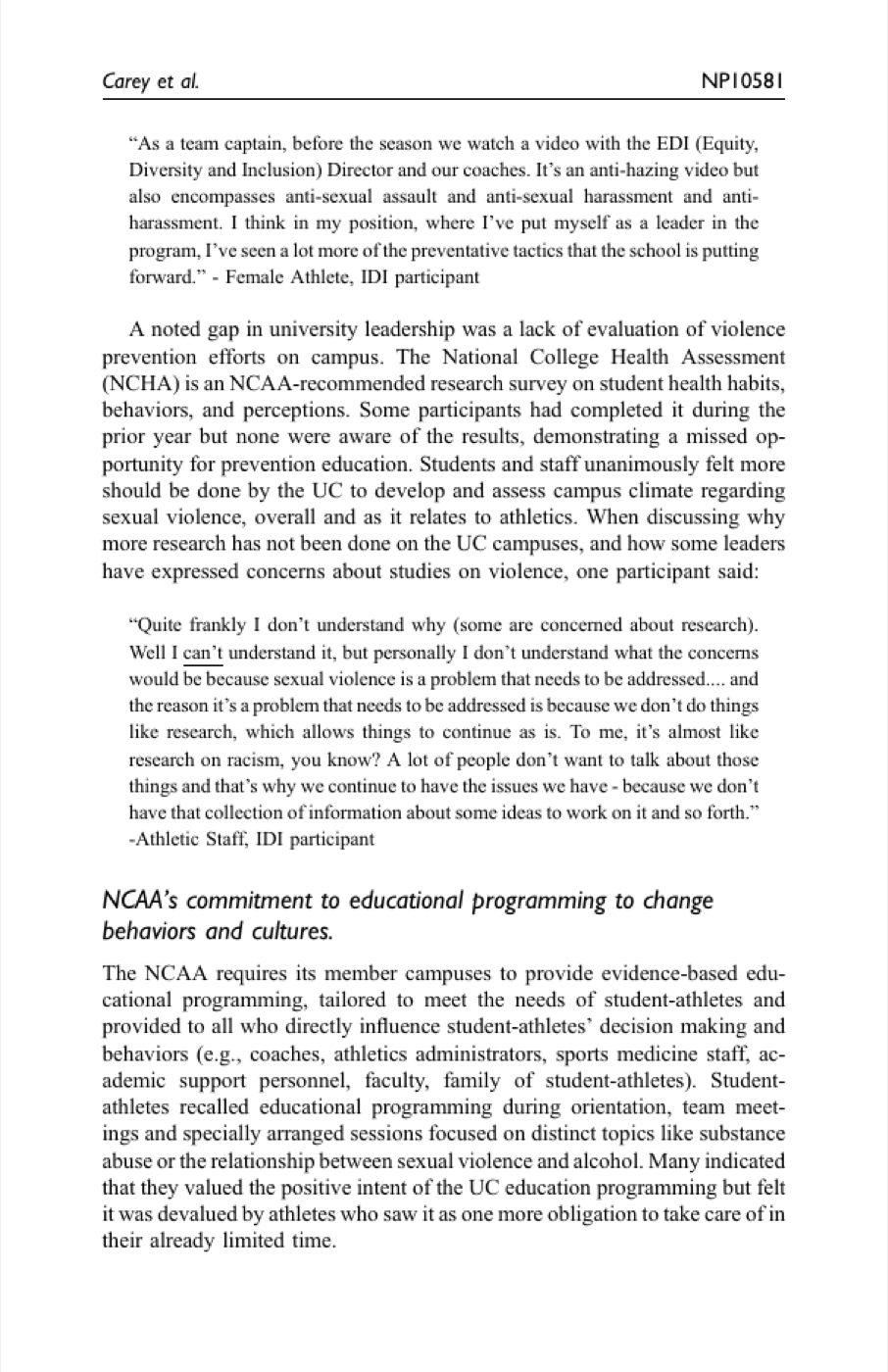
Student-athletes sit in a strange place on campus. They are highly visible, idealized, and often shielded by the institutions that depend on them. We talked to athletes, coaches, and administrators.
Carey DS, Sumstine S, Amabile C, Helvink H, Sorin CR, Swendeman D, Park E, Wagman J. Student-Athletes’, Coaches’, and Administrators’ Perspectives of Sexual Violence Prevention on Three Campuses with NCAA Division I and II Athletic Programs. Interpers Violence. 2022;8862605211067018. doi:10.1177/08862605211067018.
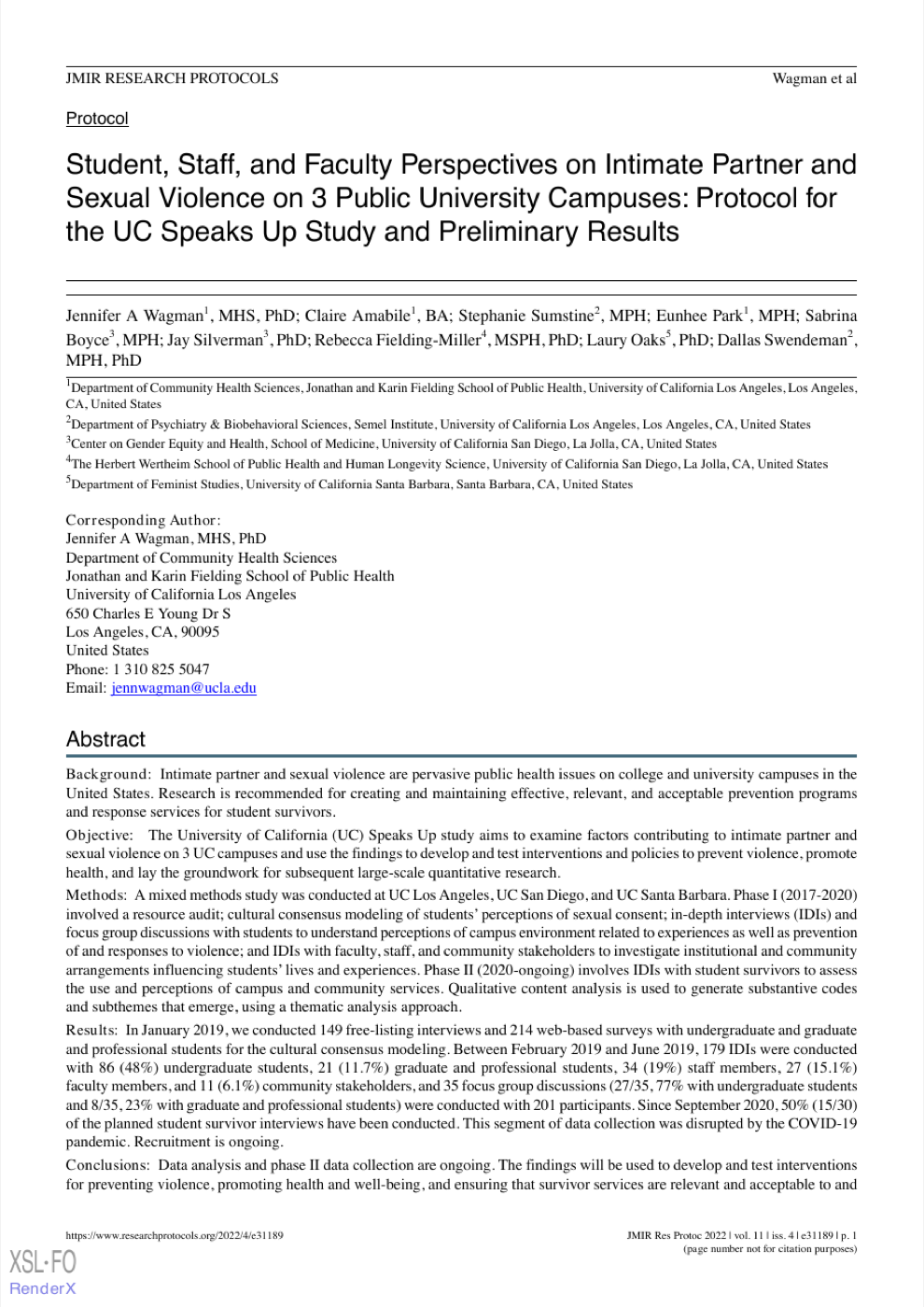
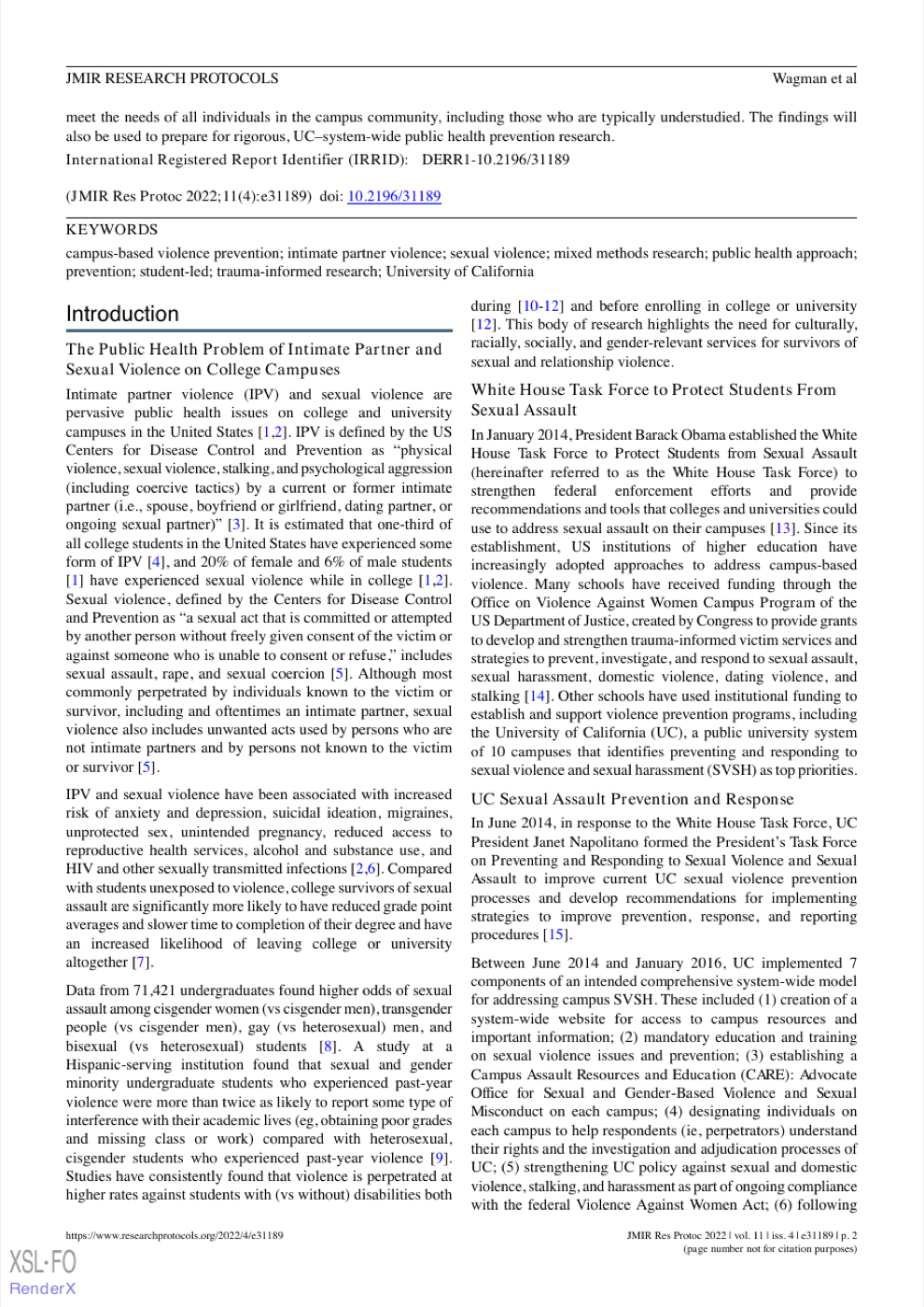
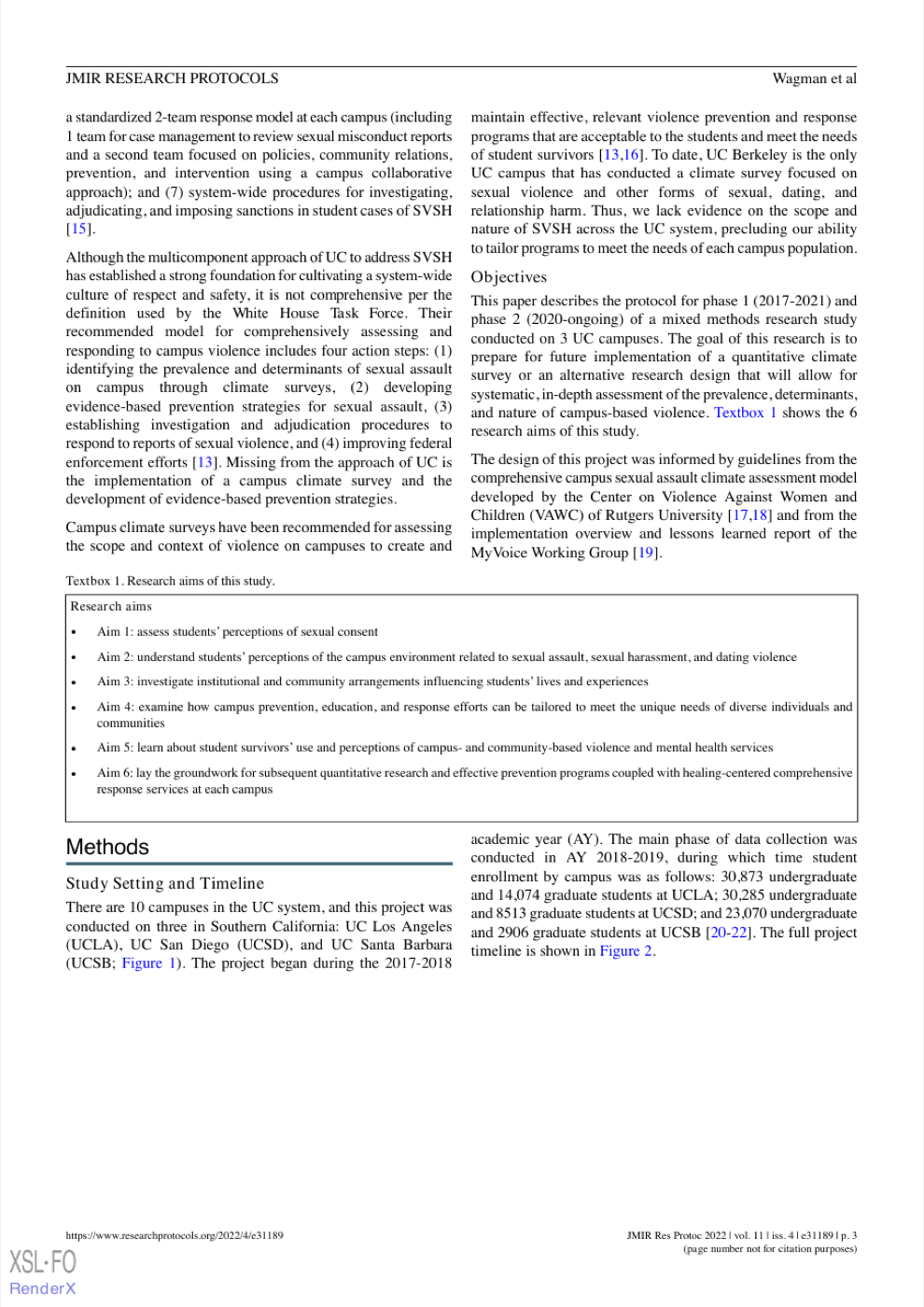
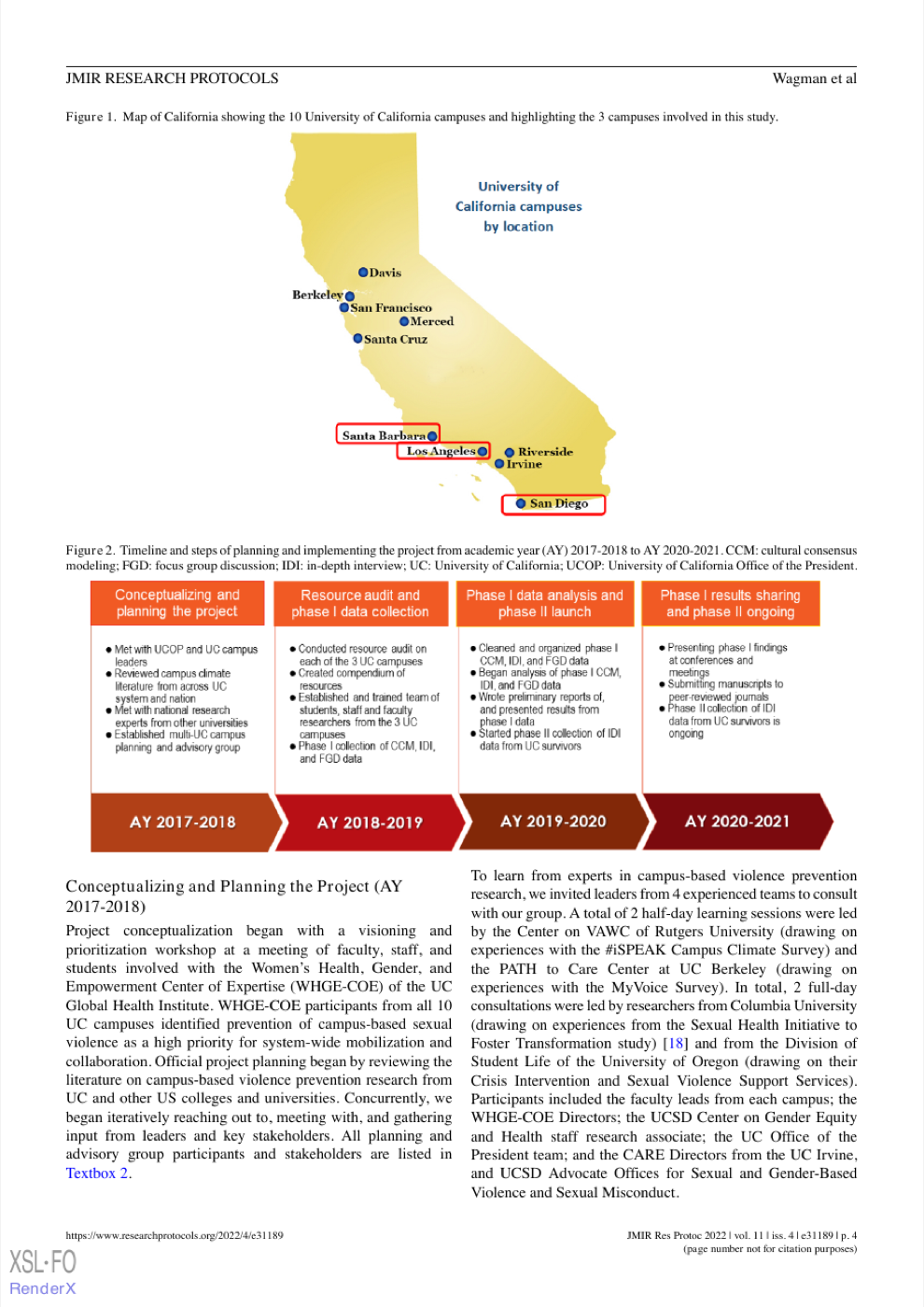
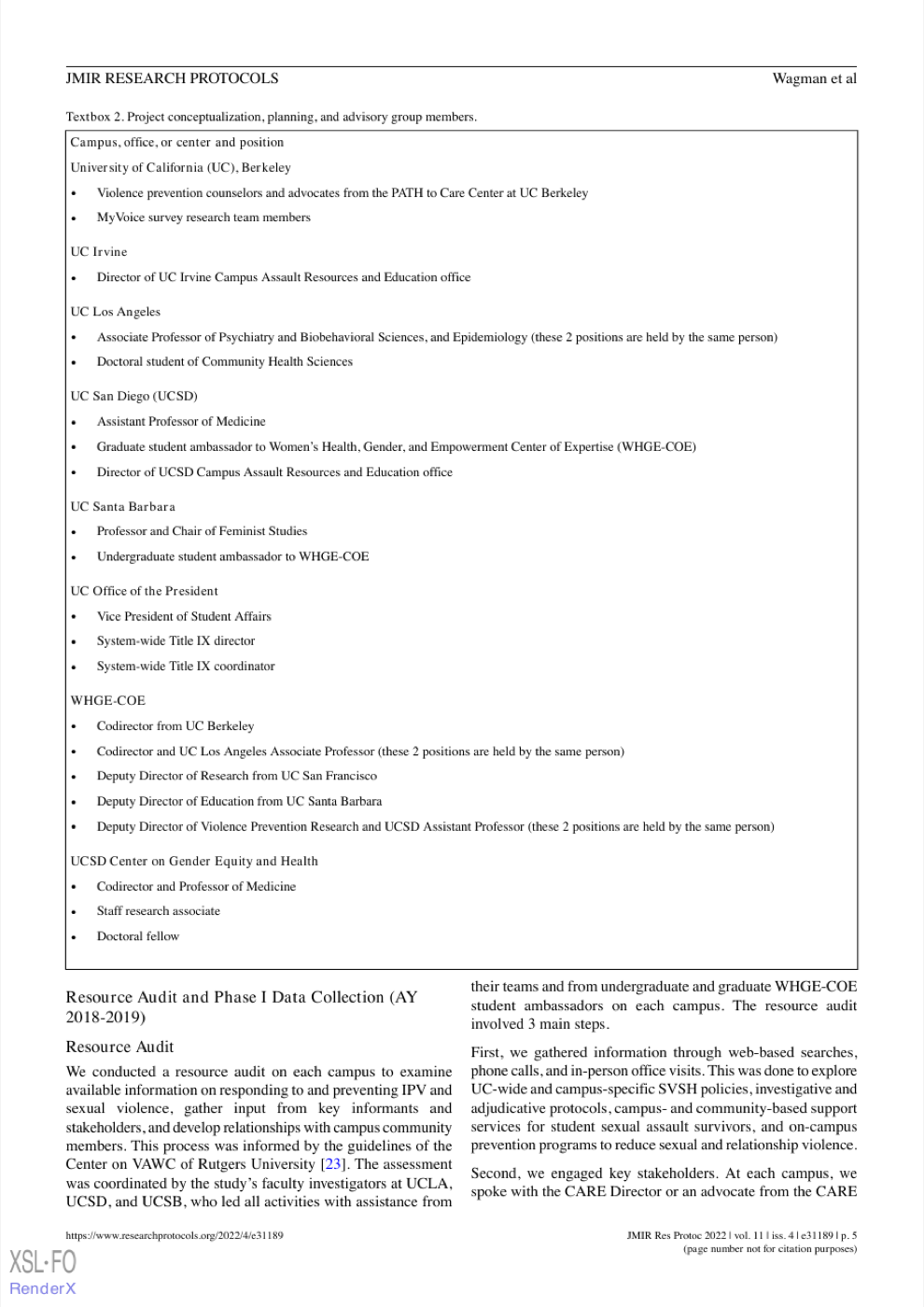
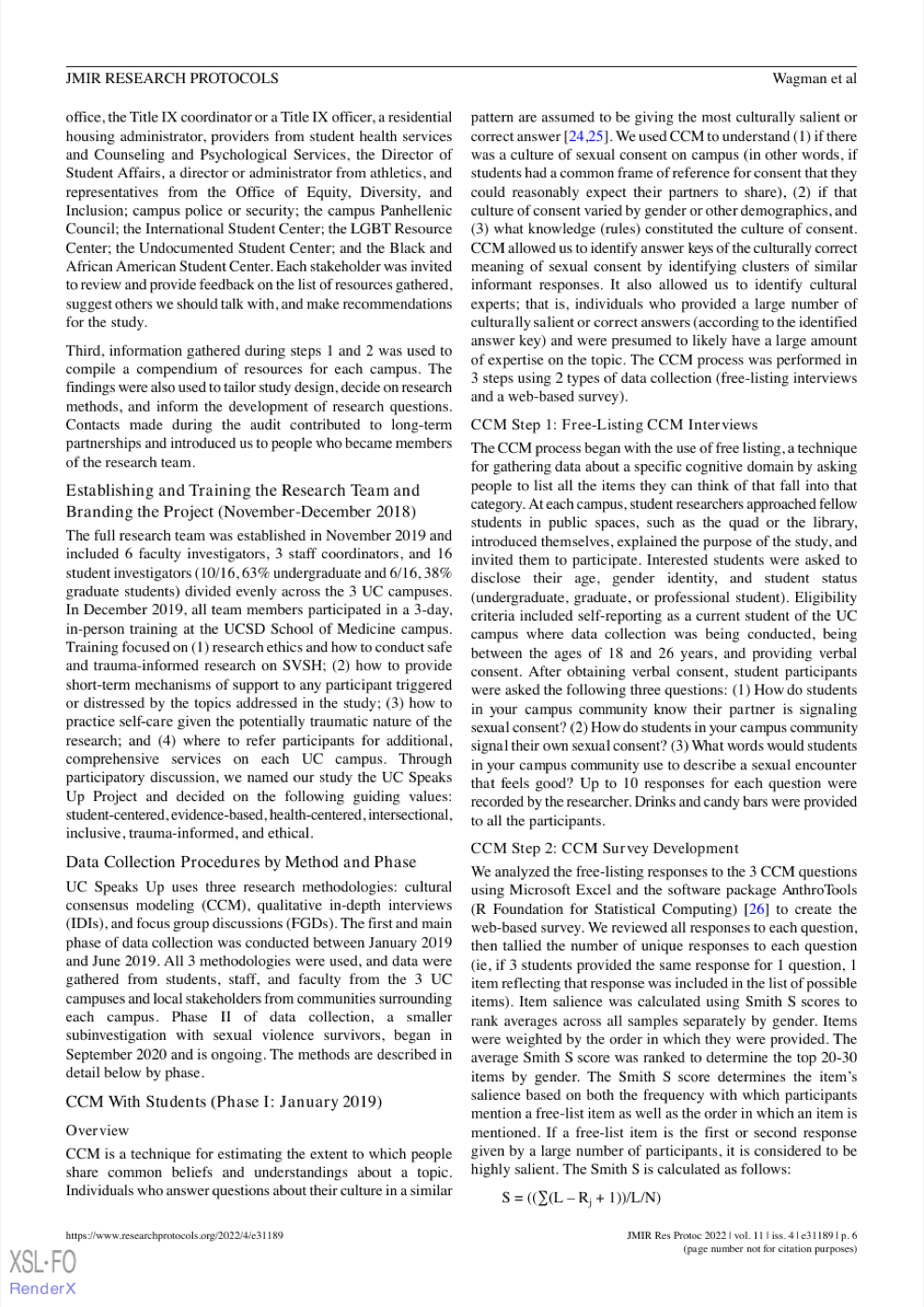
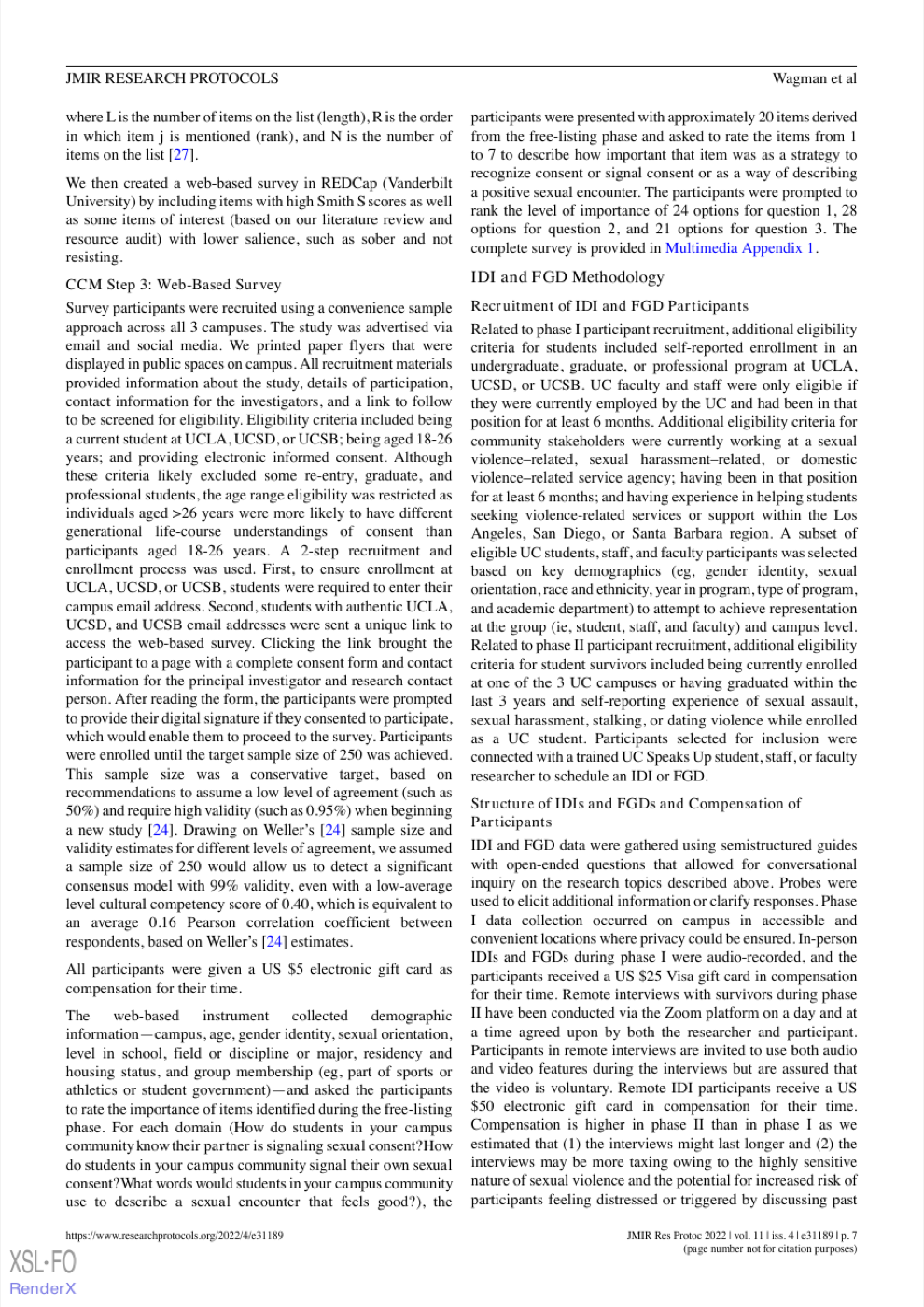
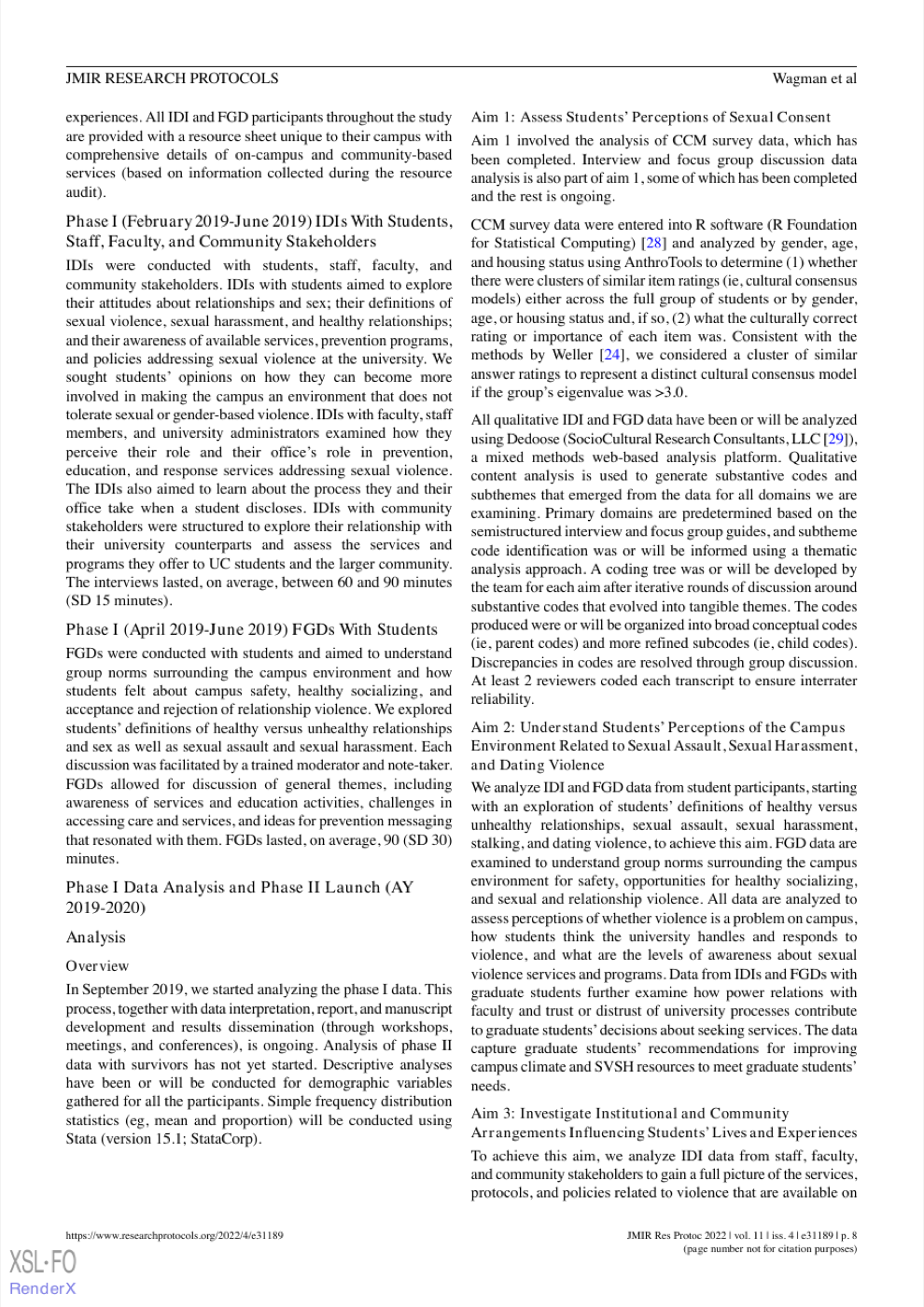
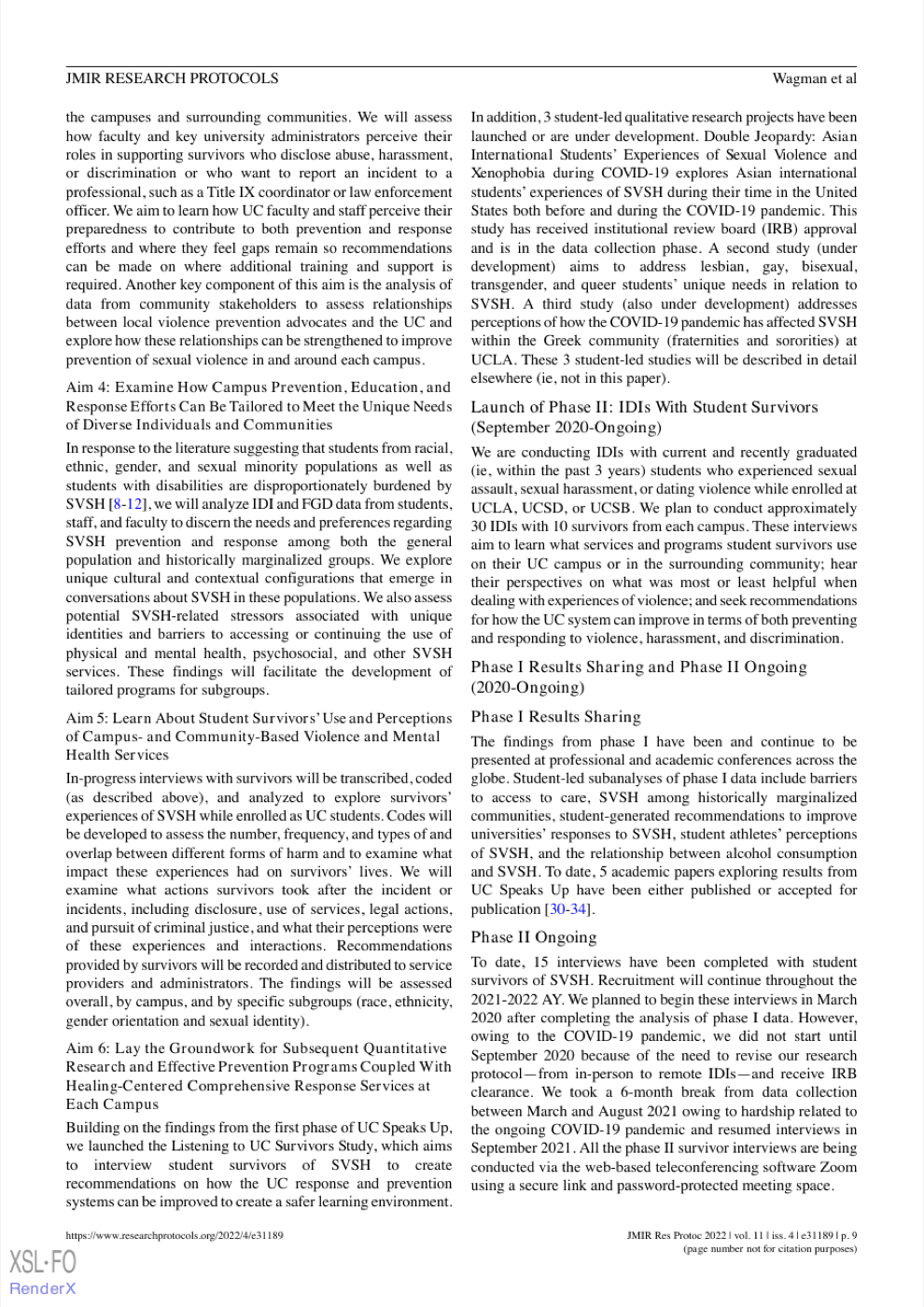
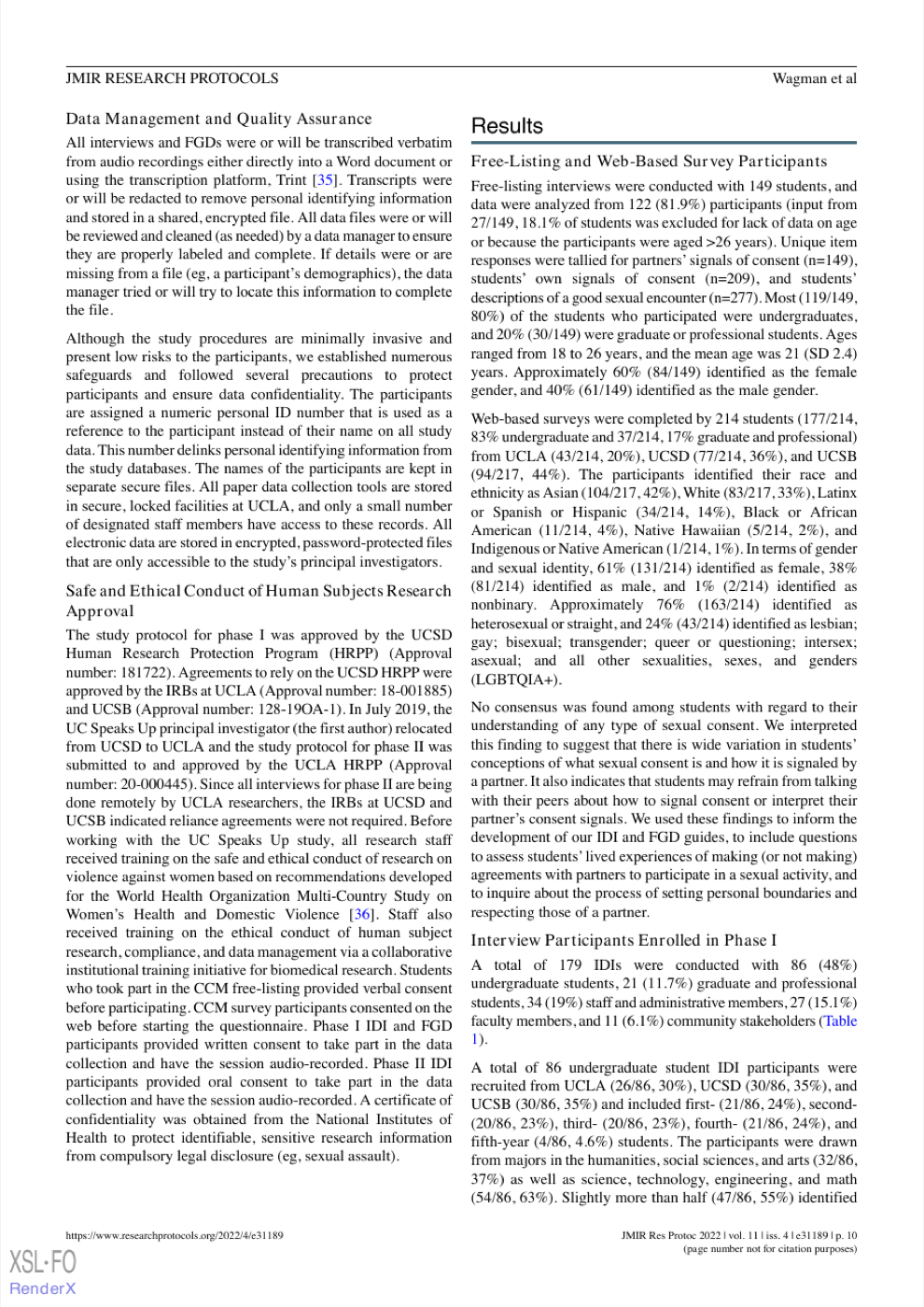
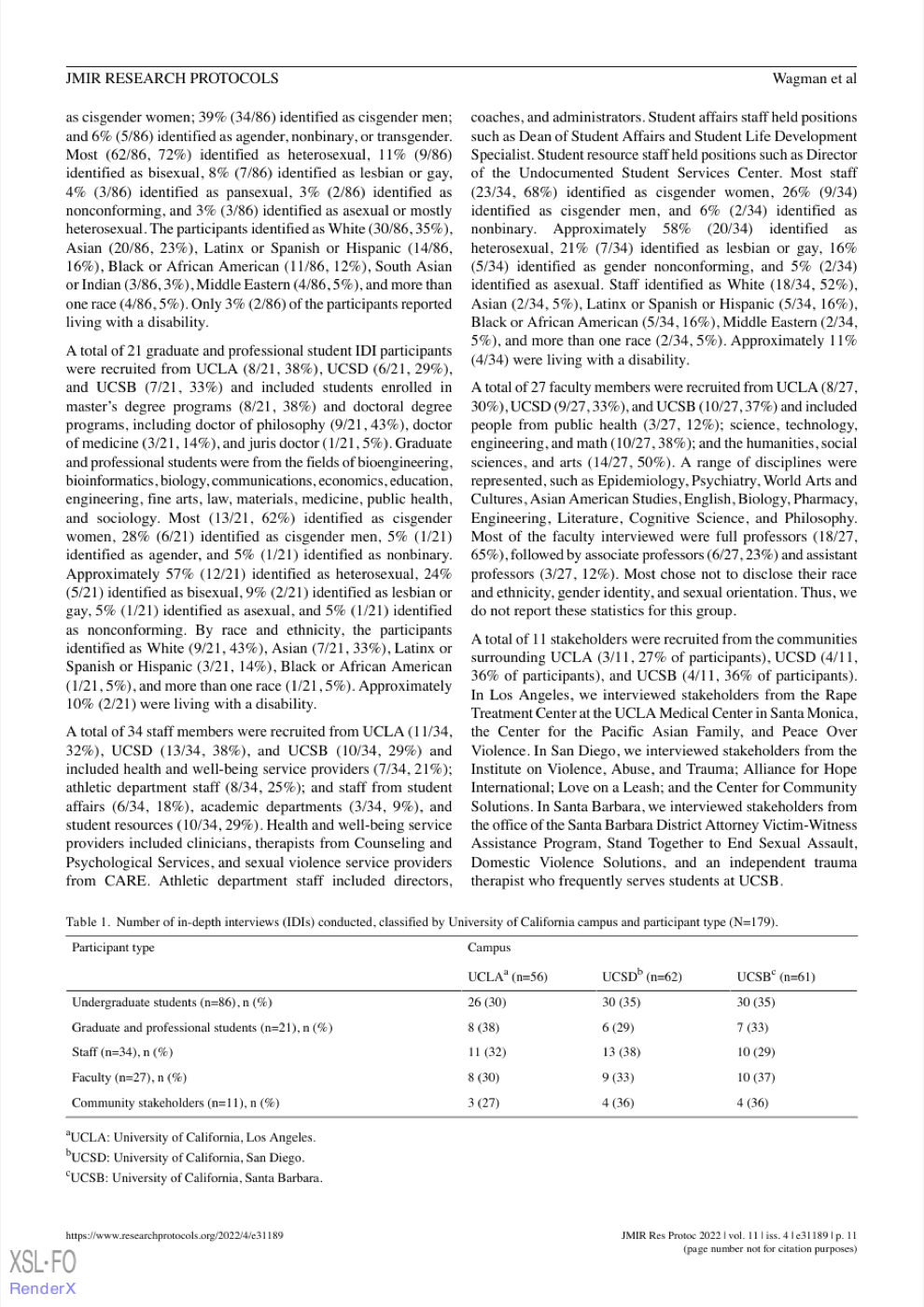
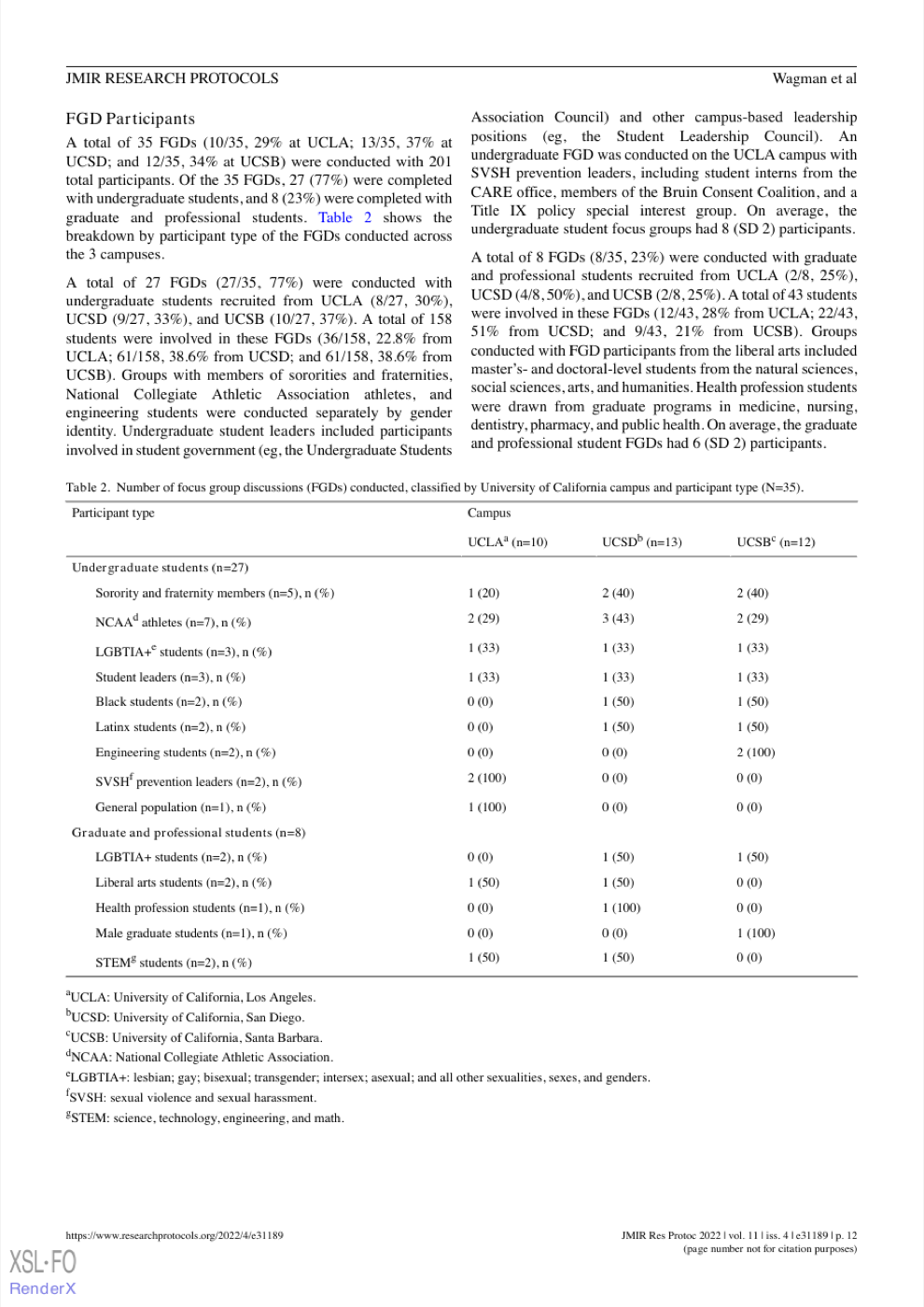
This protocol describes the architecture of UC Speaks Up led by my mentor, Dr. Wagman, the multi-campus study that grounded almost everything I worked on at UCLA for the Double Jeopardy Study.
Wagman JA, Amabile C, Sumstine S, Park E, Boyce S, Silverman J, Fielding-Miller R, Oaks L, Swendeman D. Student, Staff, and Faculty Perspectives on Intimate Partner and Sexual Violence on 3 Public University Campuses: Protocol for the UC Speaks Up Study and Preliminary Results. JMIR Res Protoc. 2022;11(4):e31189. doi:10.2196/31189
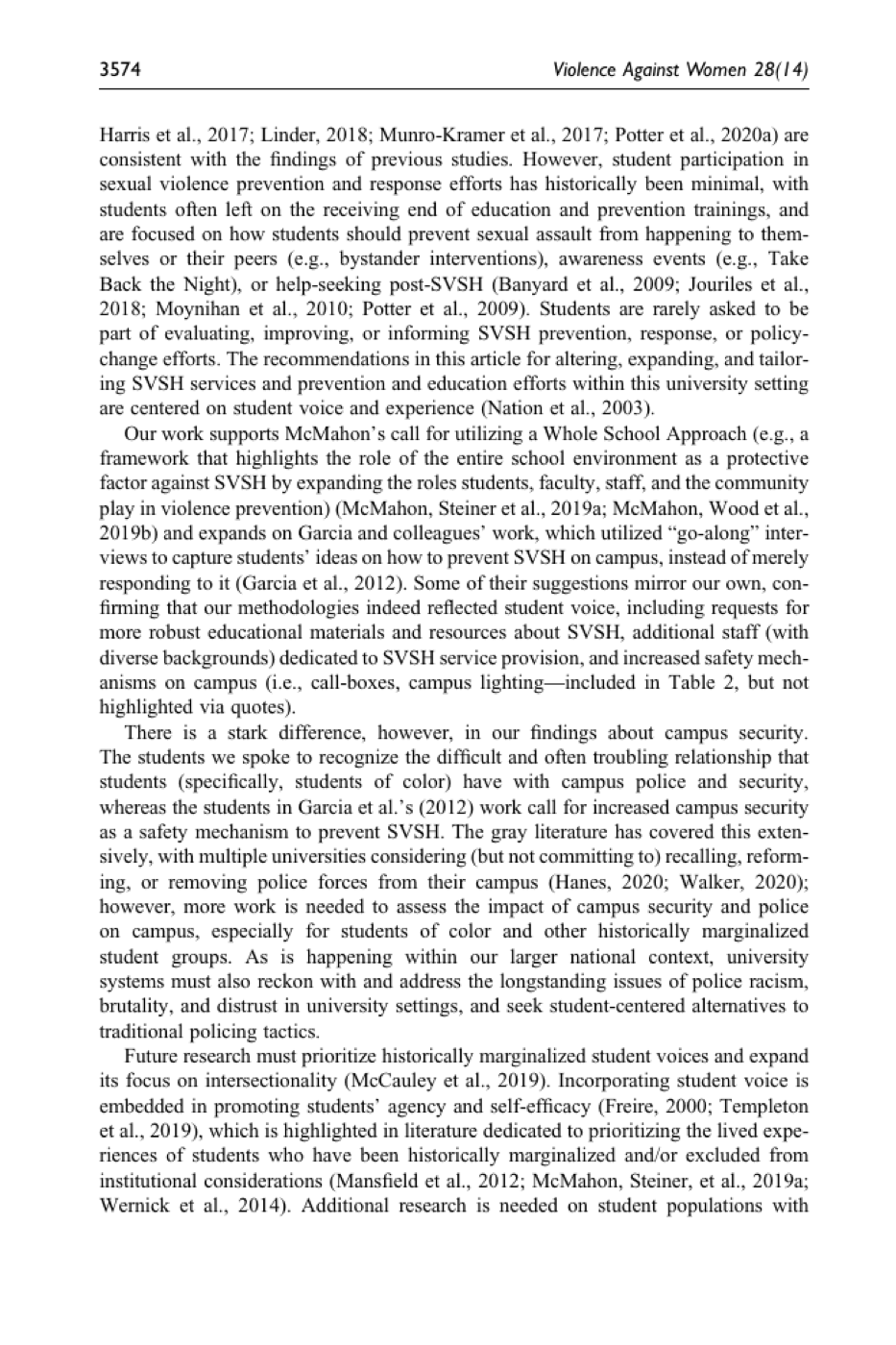
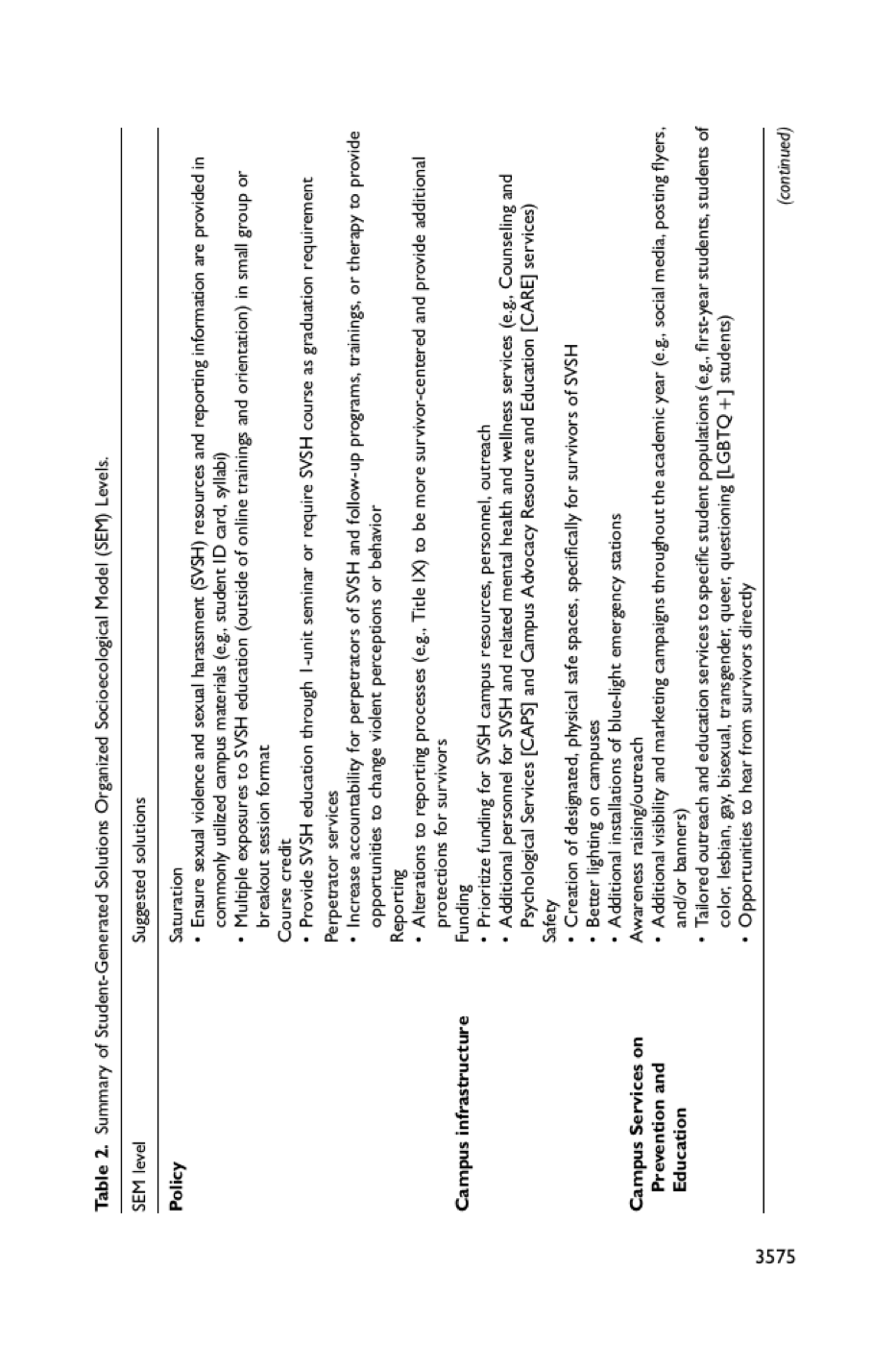
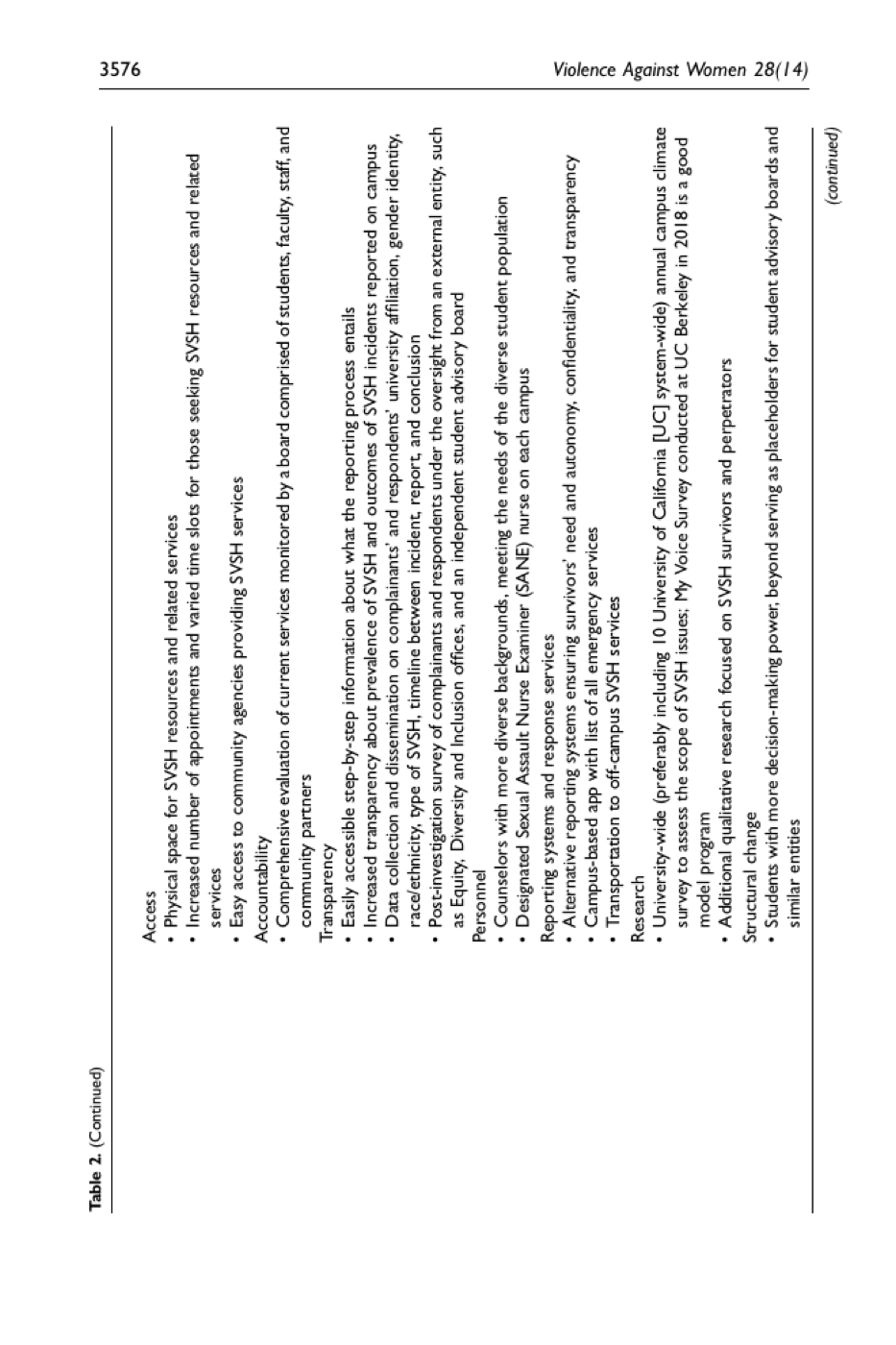
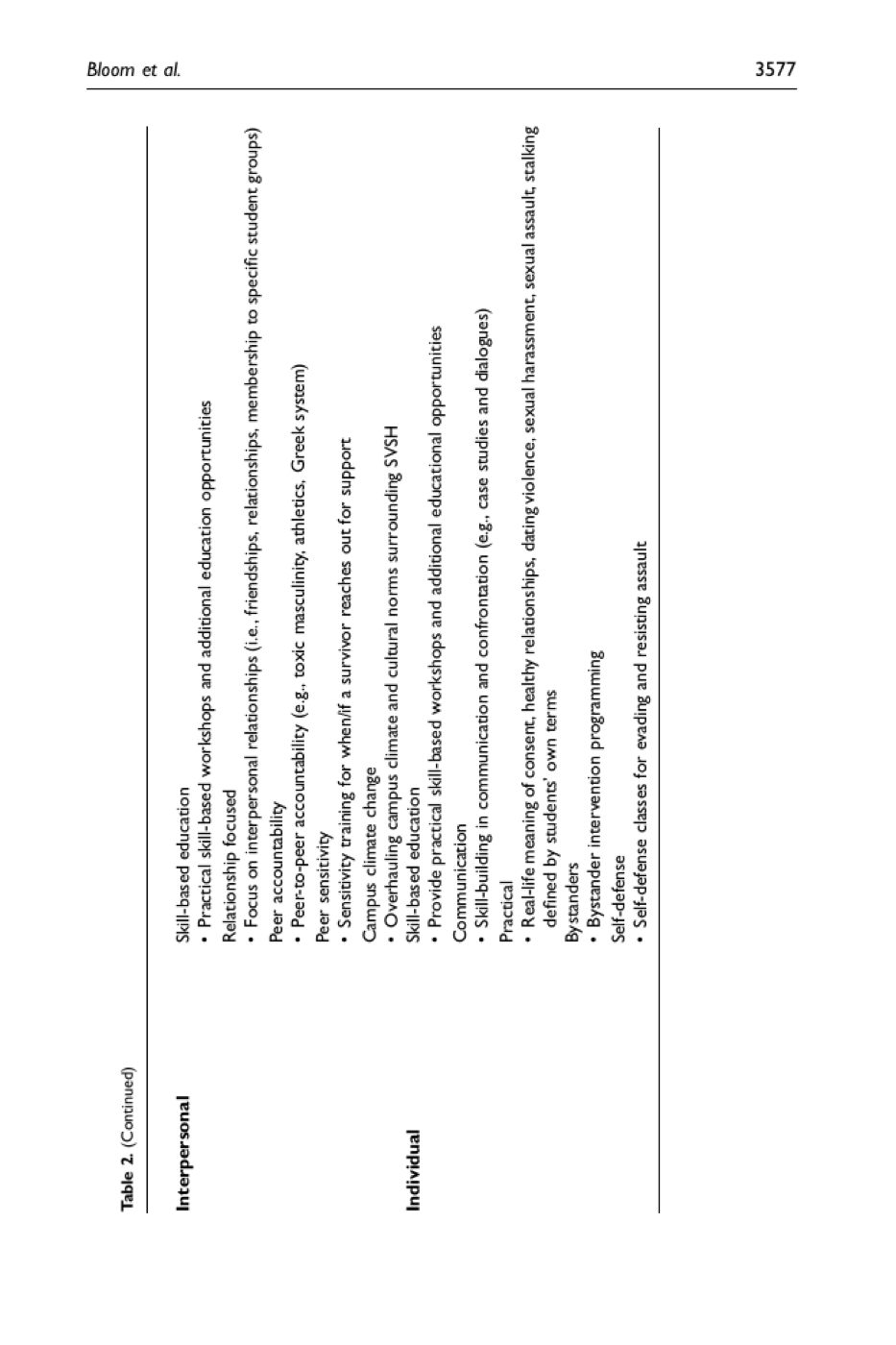
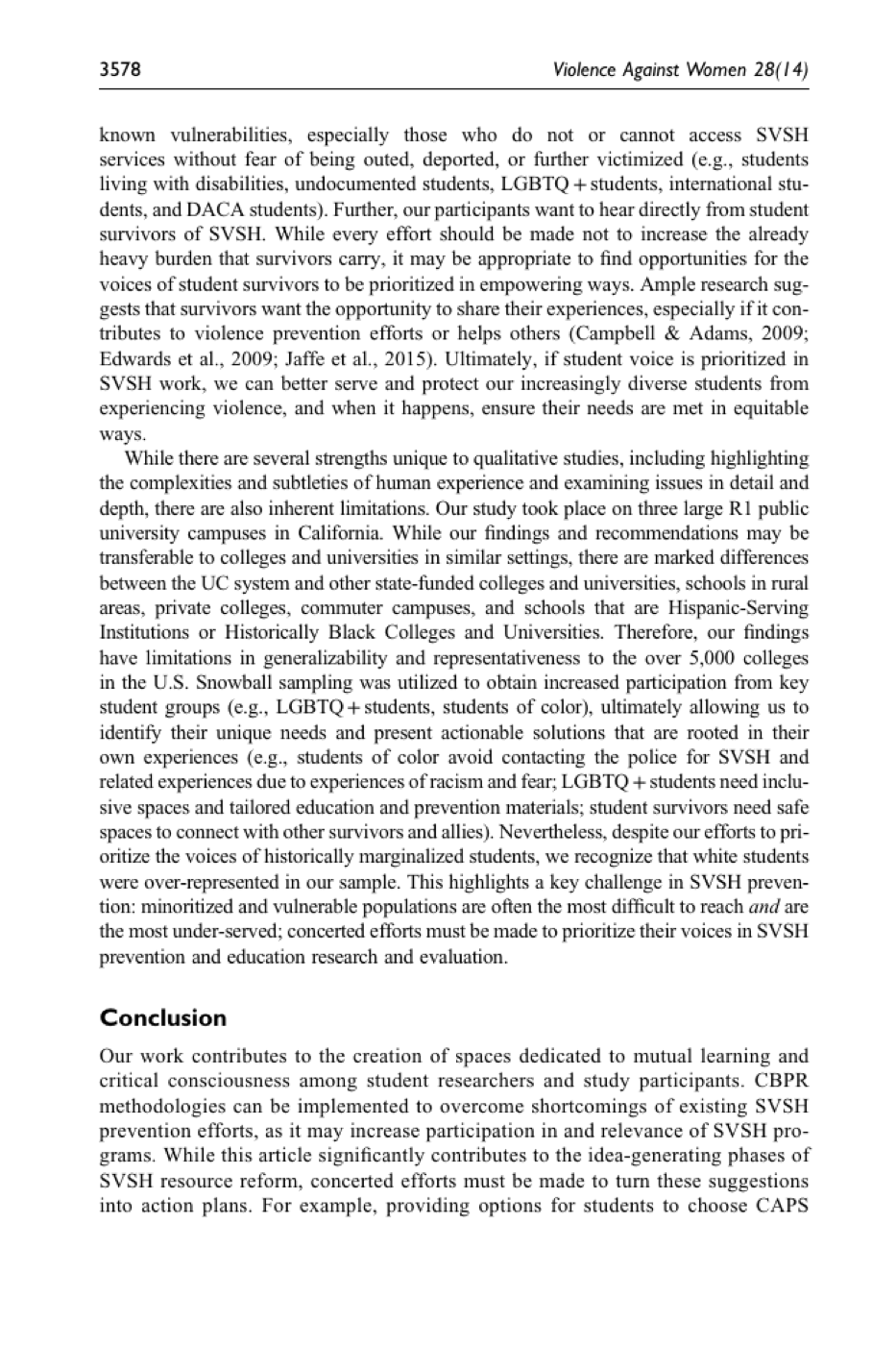
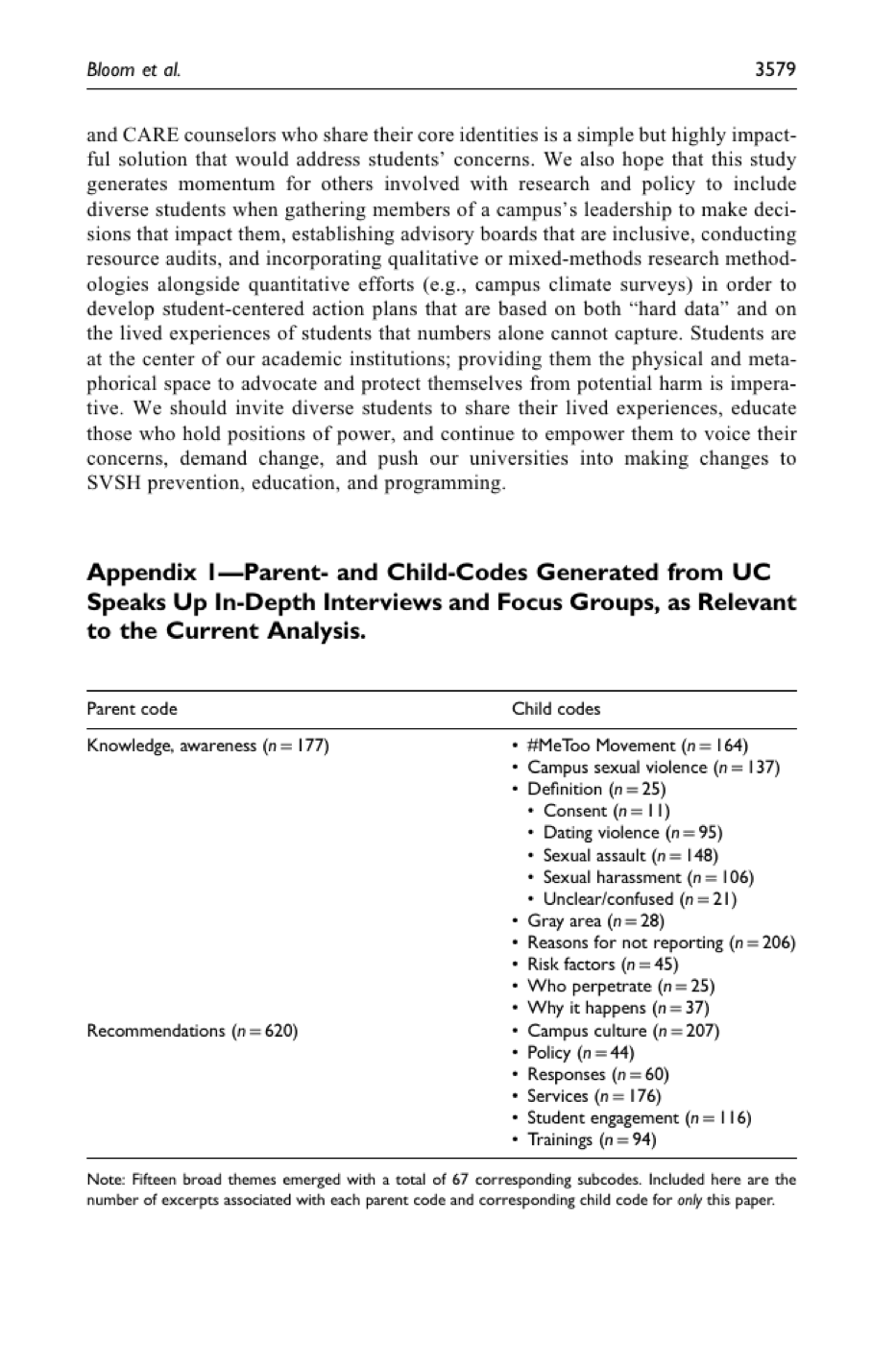
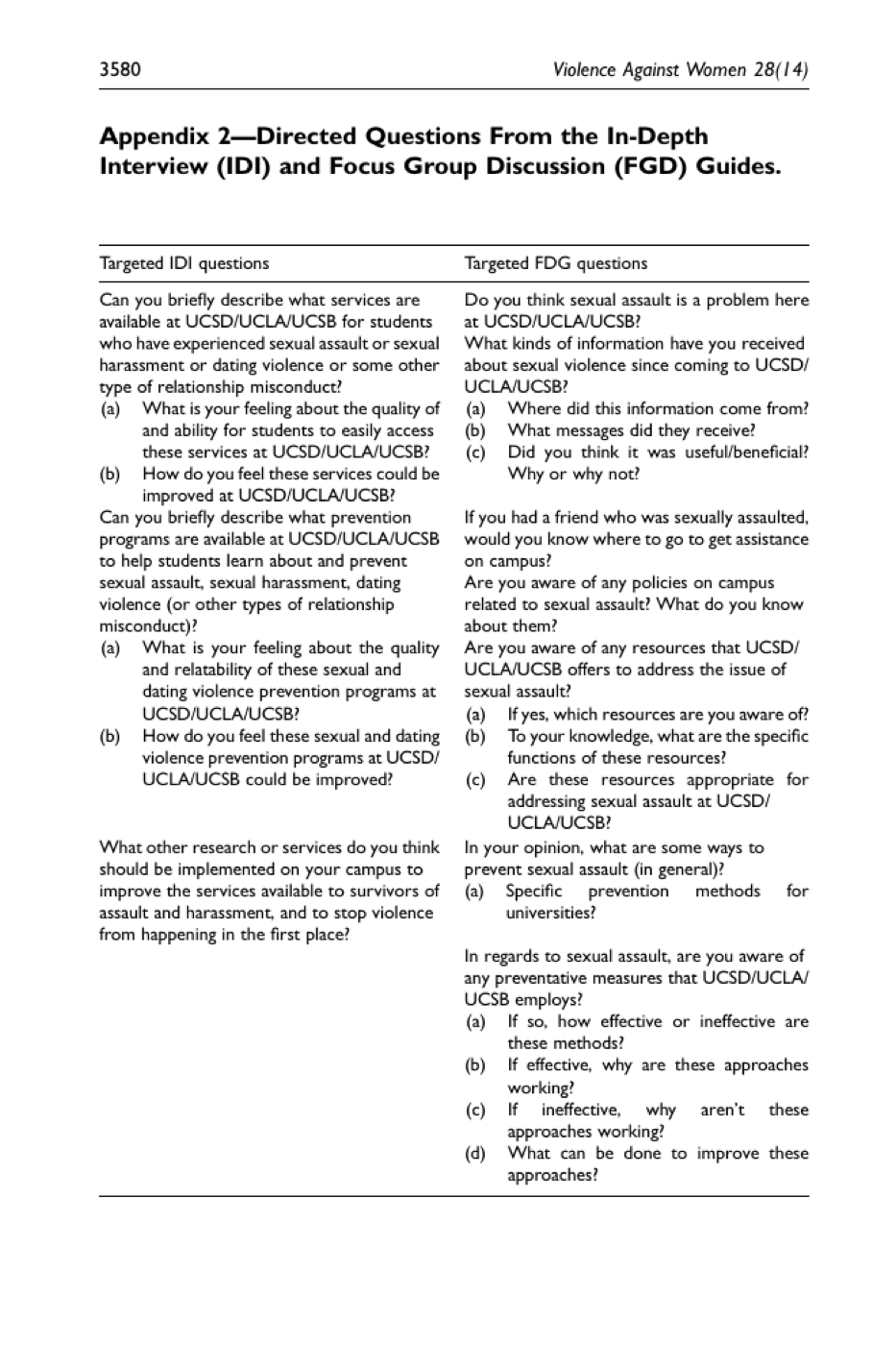
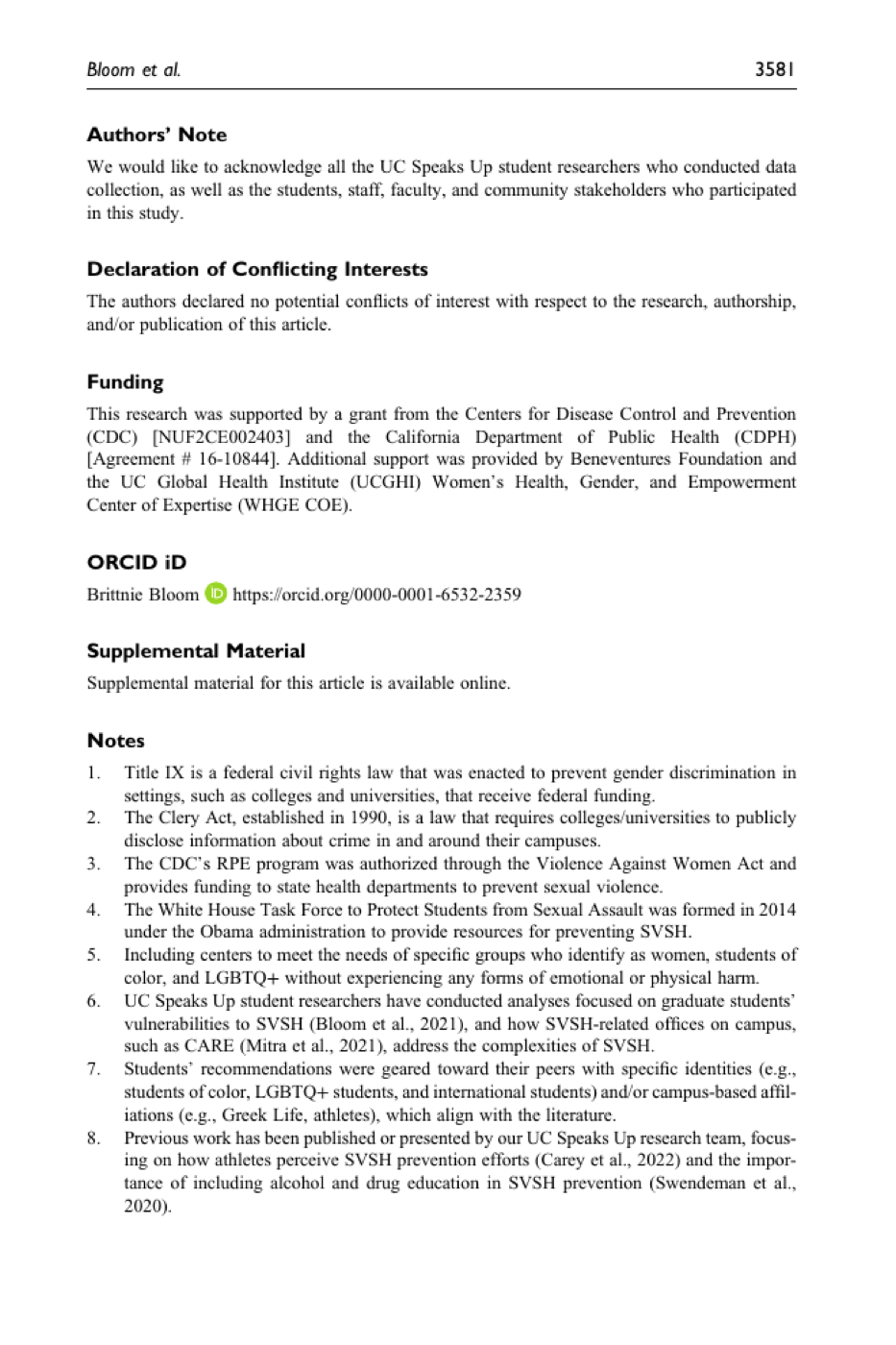
Survivors are usually framed as people in need of services. We wanted to ask them what would actually help. We identified the gap between campus policy and student experiences, and the paper is built around the solutions students themselves generated when given space to imagine differently.
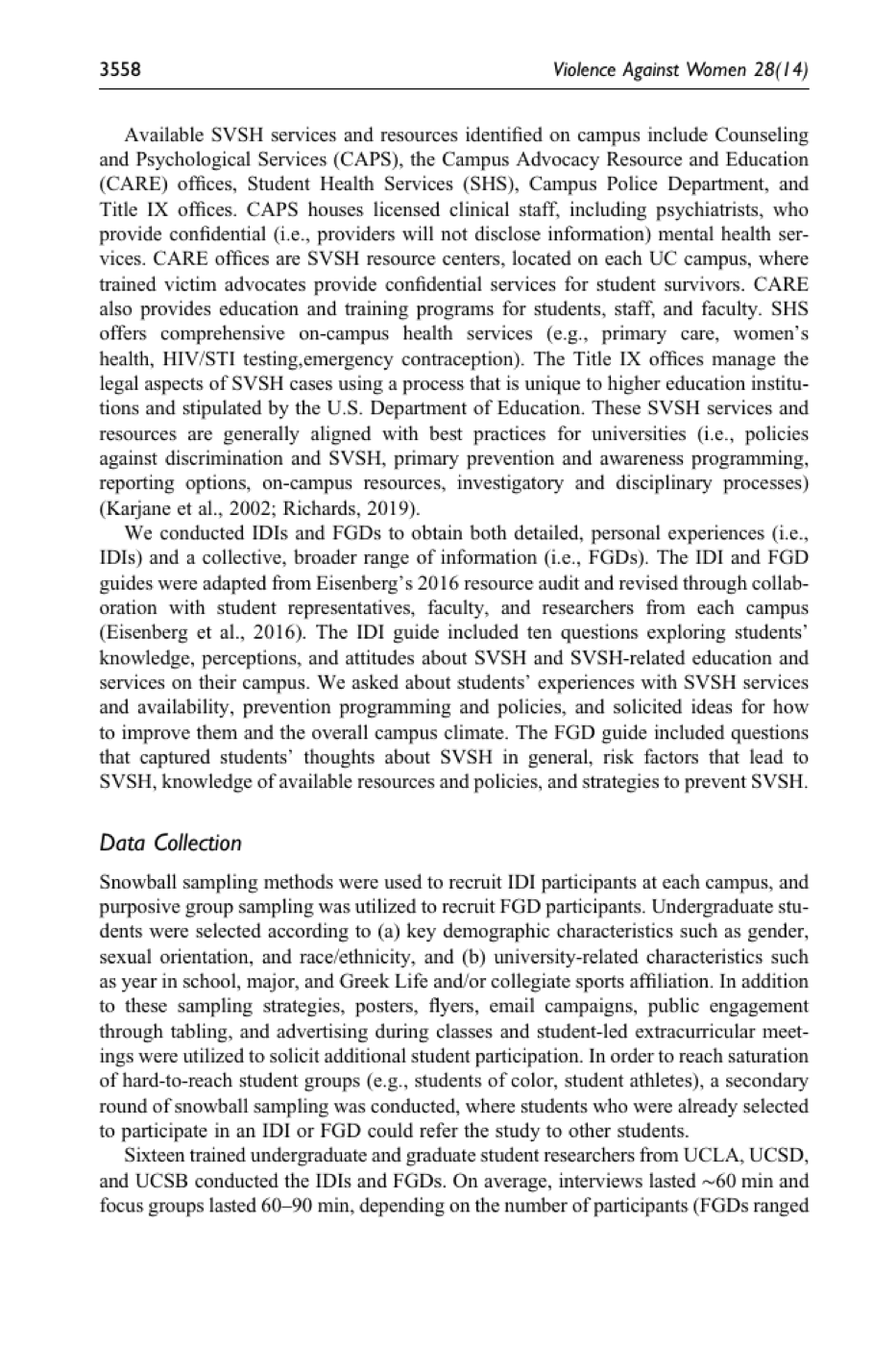
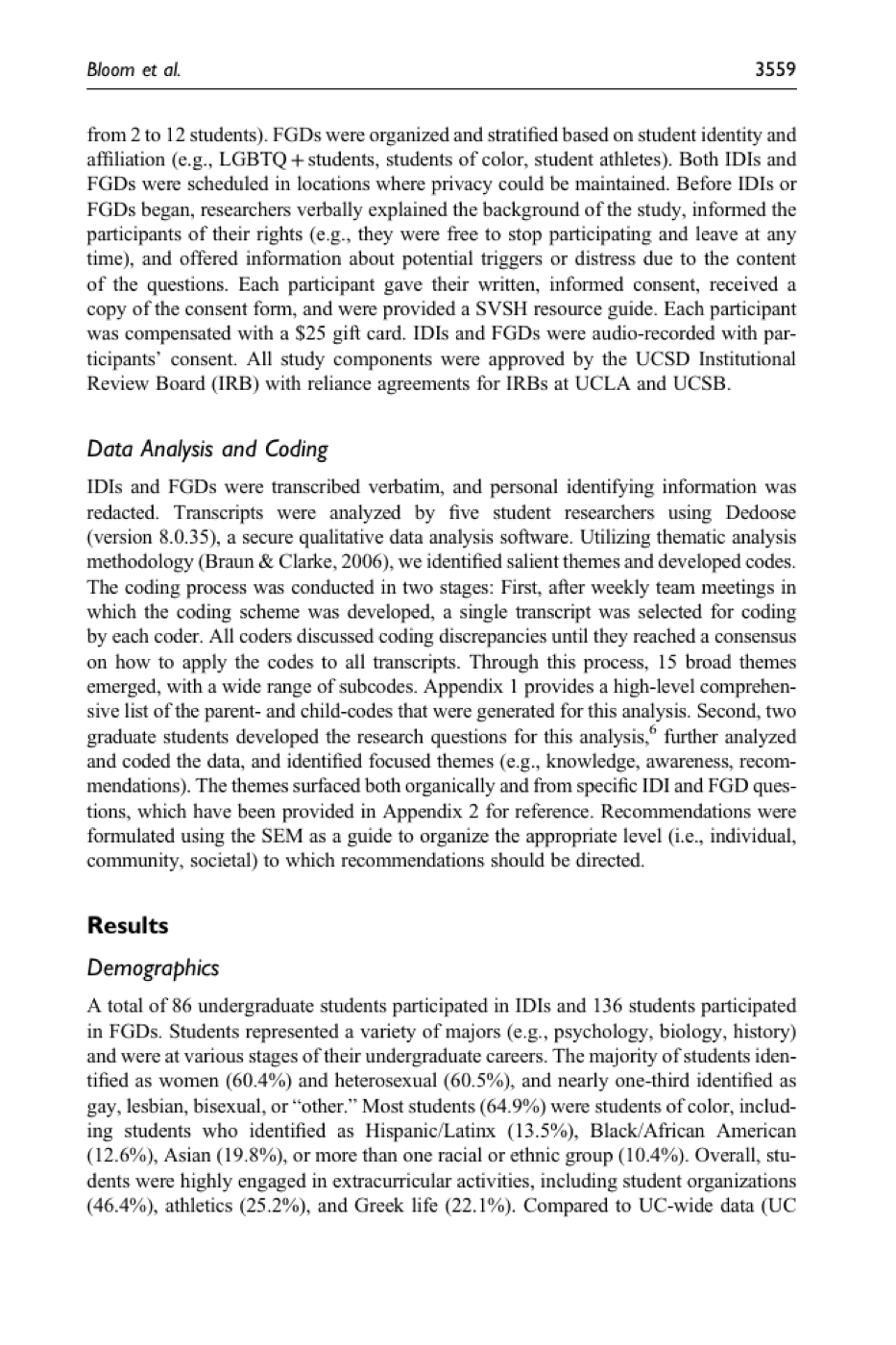
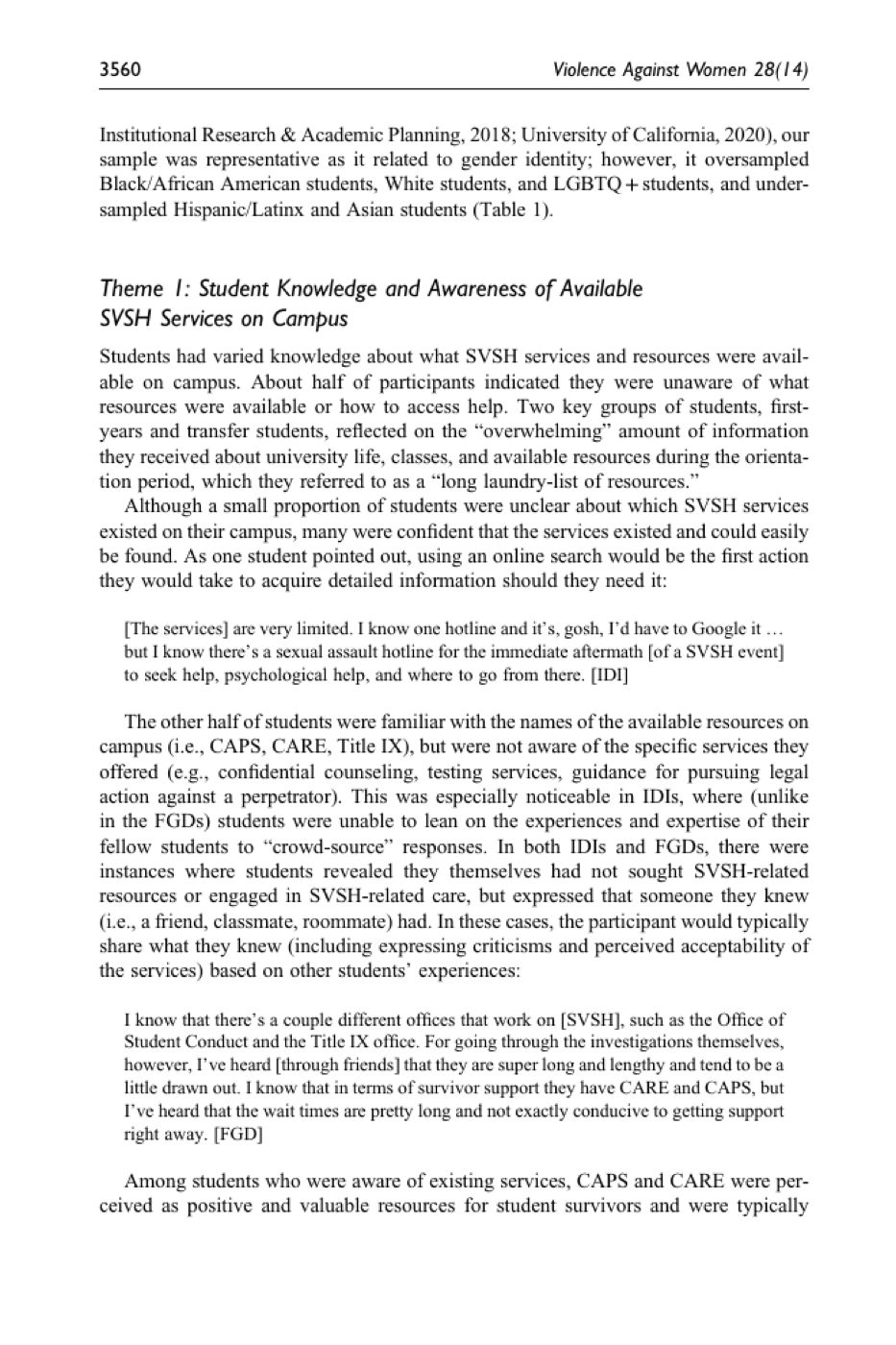
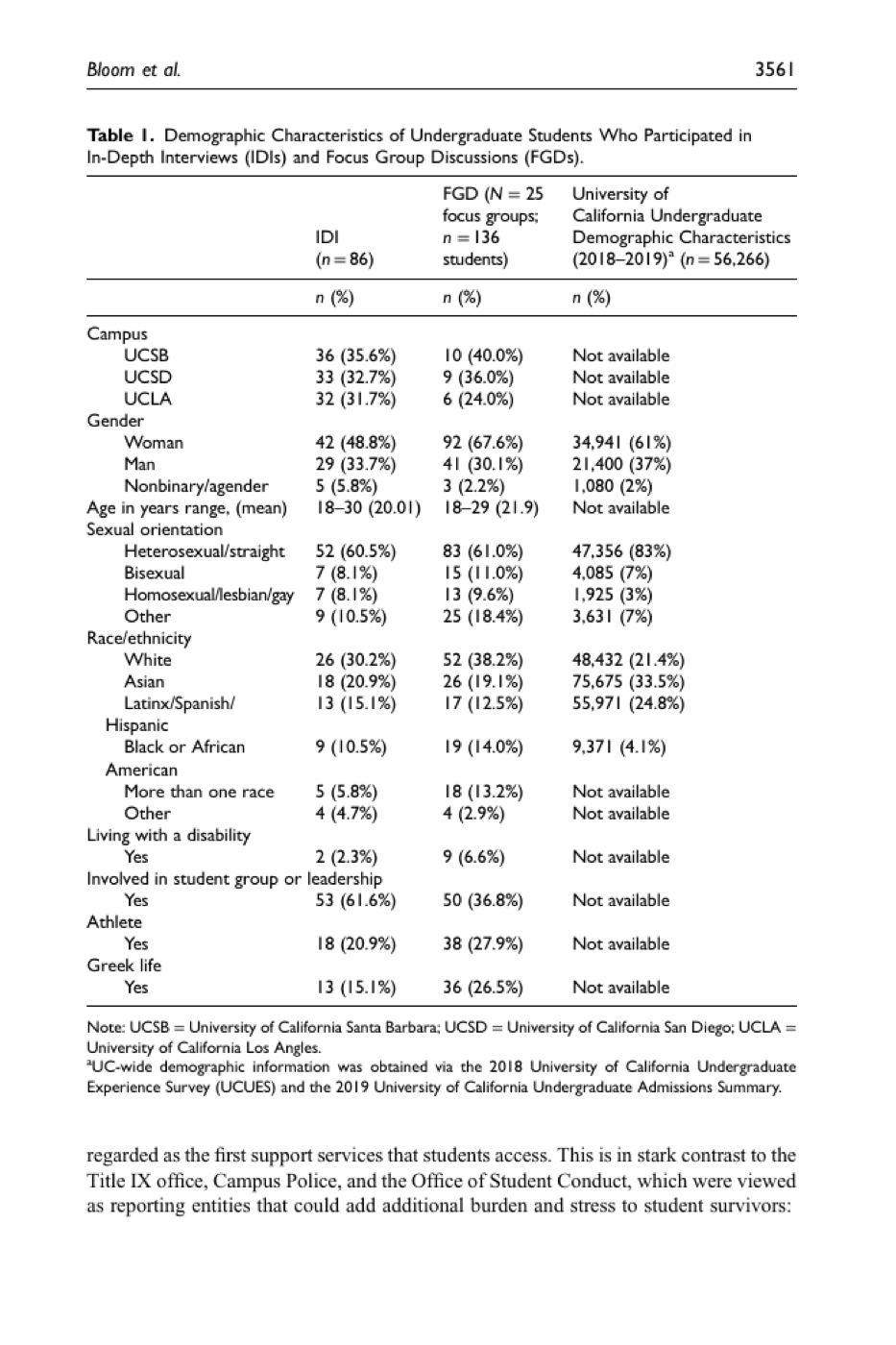
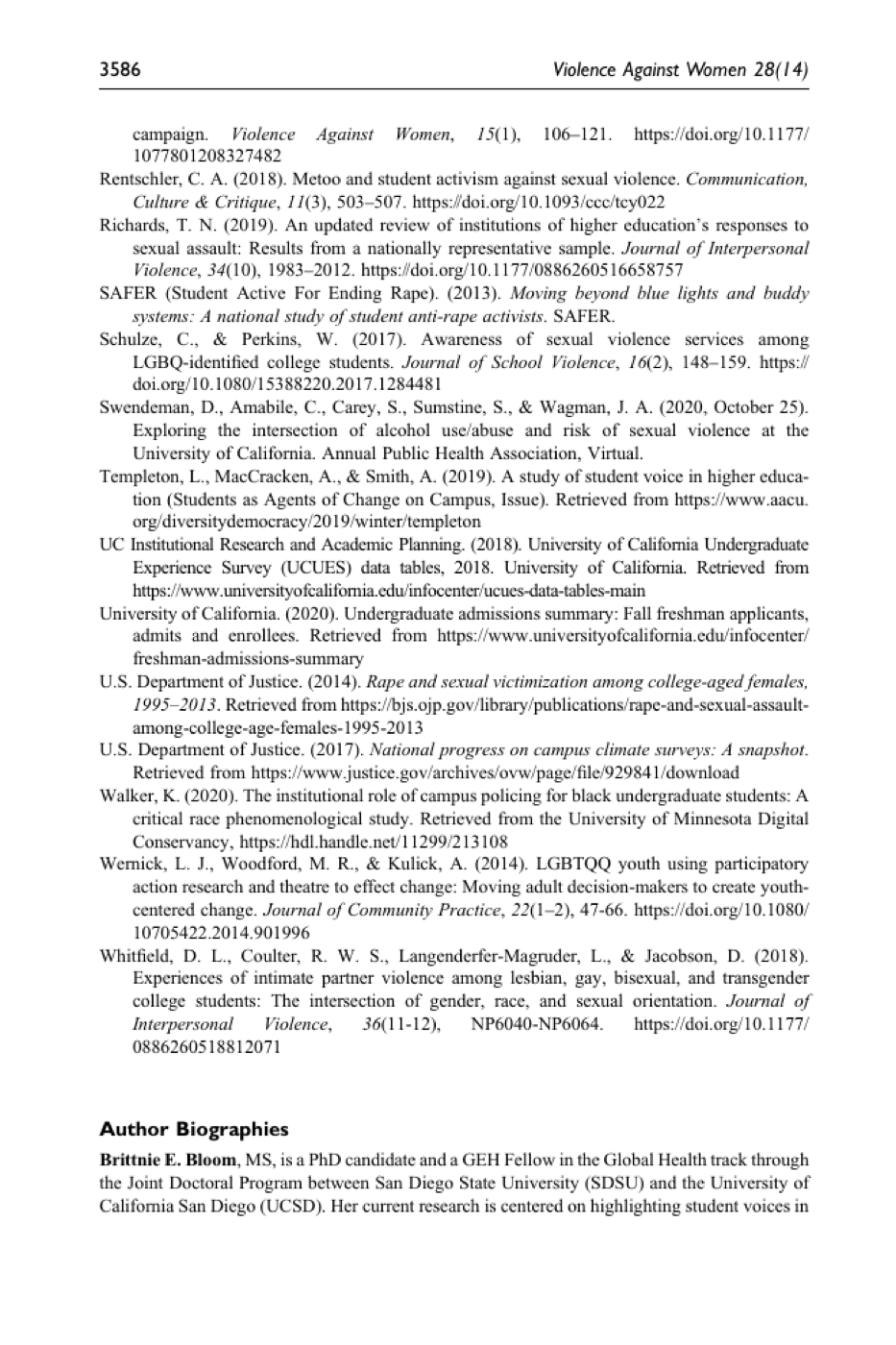
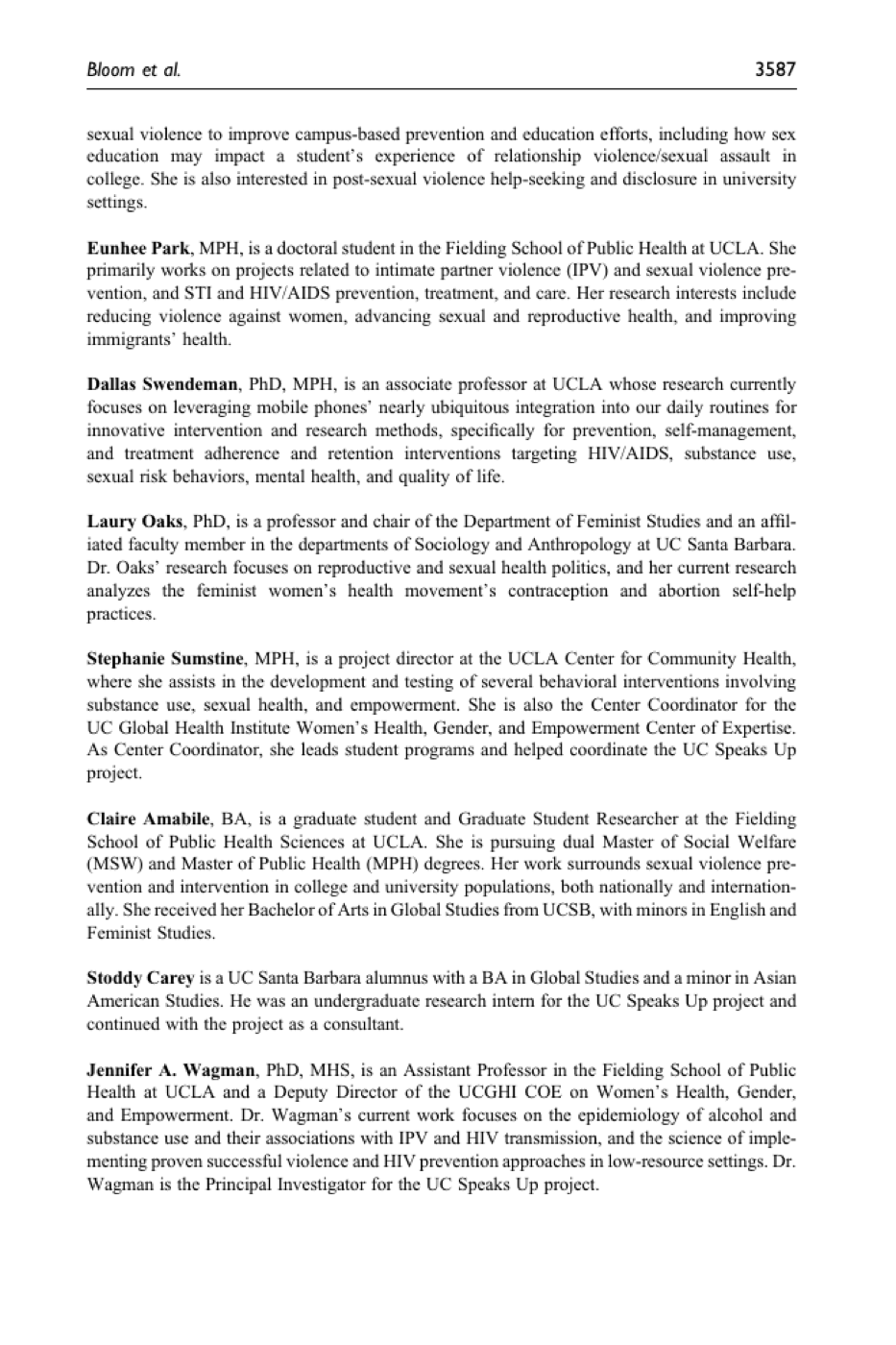
Bloom BE*, Park E*, Swendeman D, Oaks L, Sumstine S, Amabile C, Carey S, Wagman JA. Opening the “Black Box”: Student-Generated Solutions to Improve Sexual Violence Response and Prevention Efforts for Undergraduates on College Campuses. Violence Against Women. 2022. doi:10.1177/10778012211068063
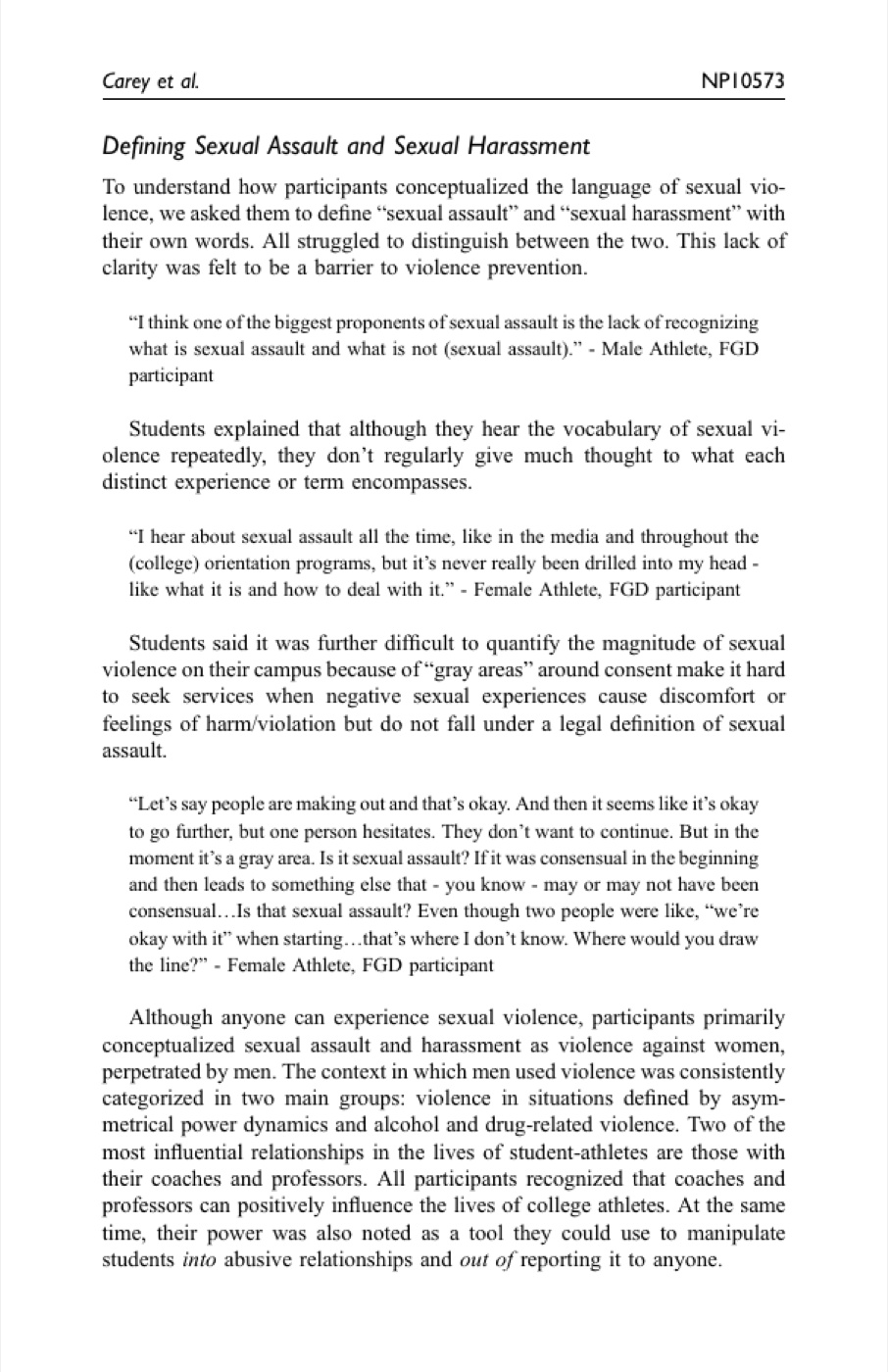
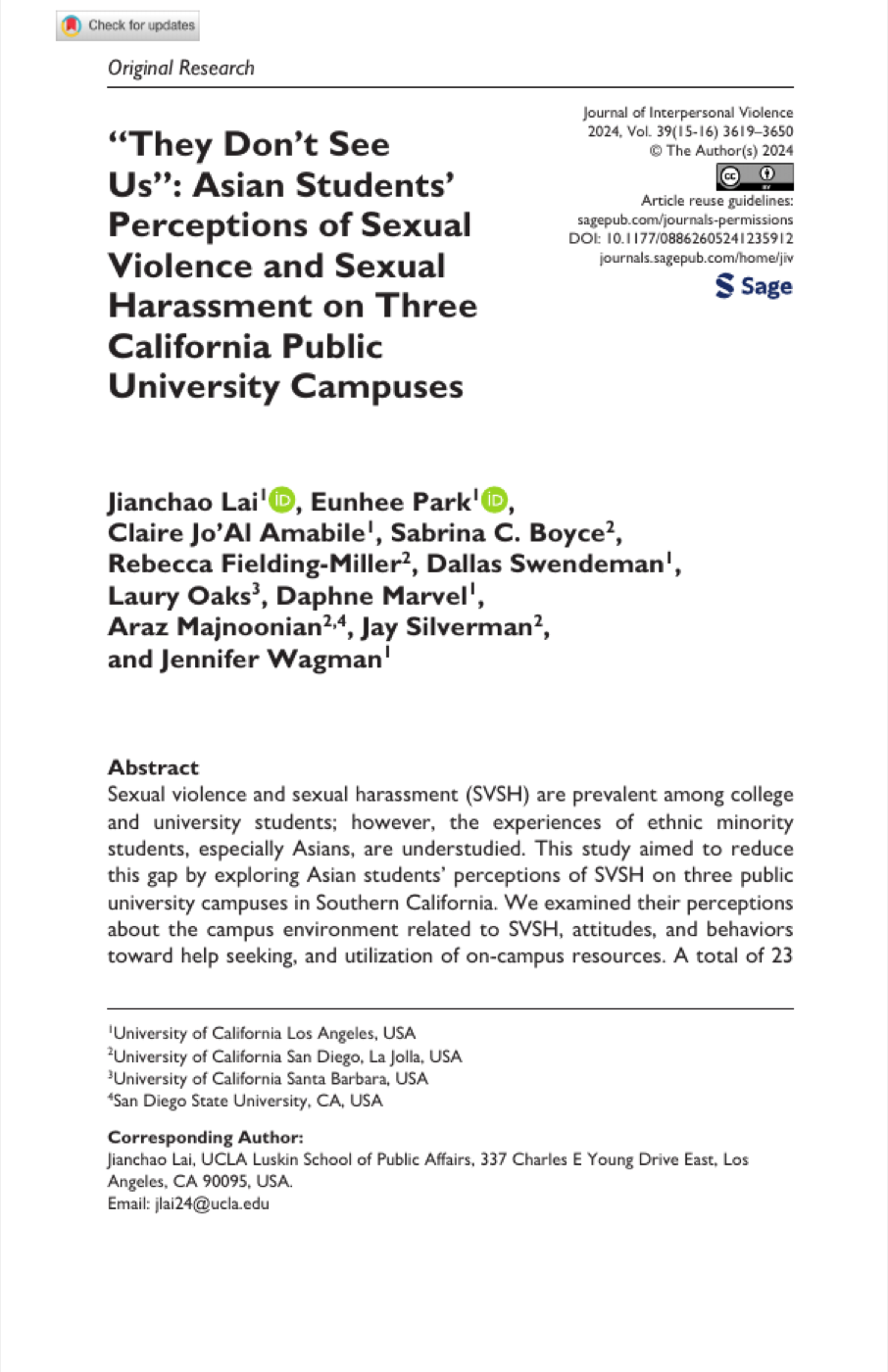
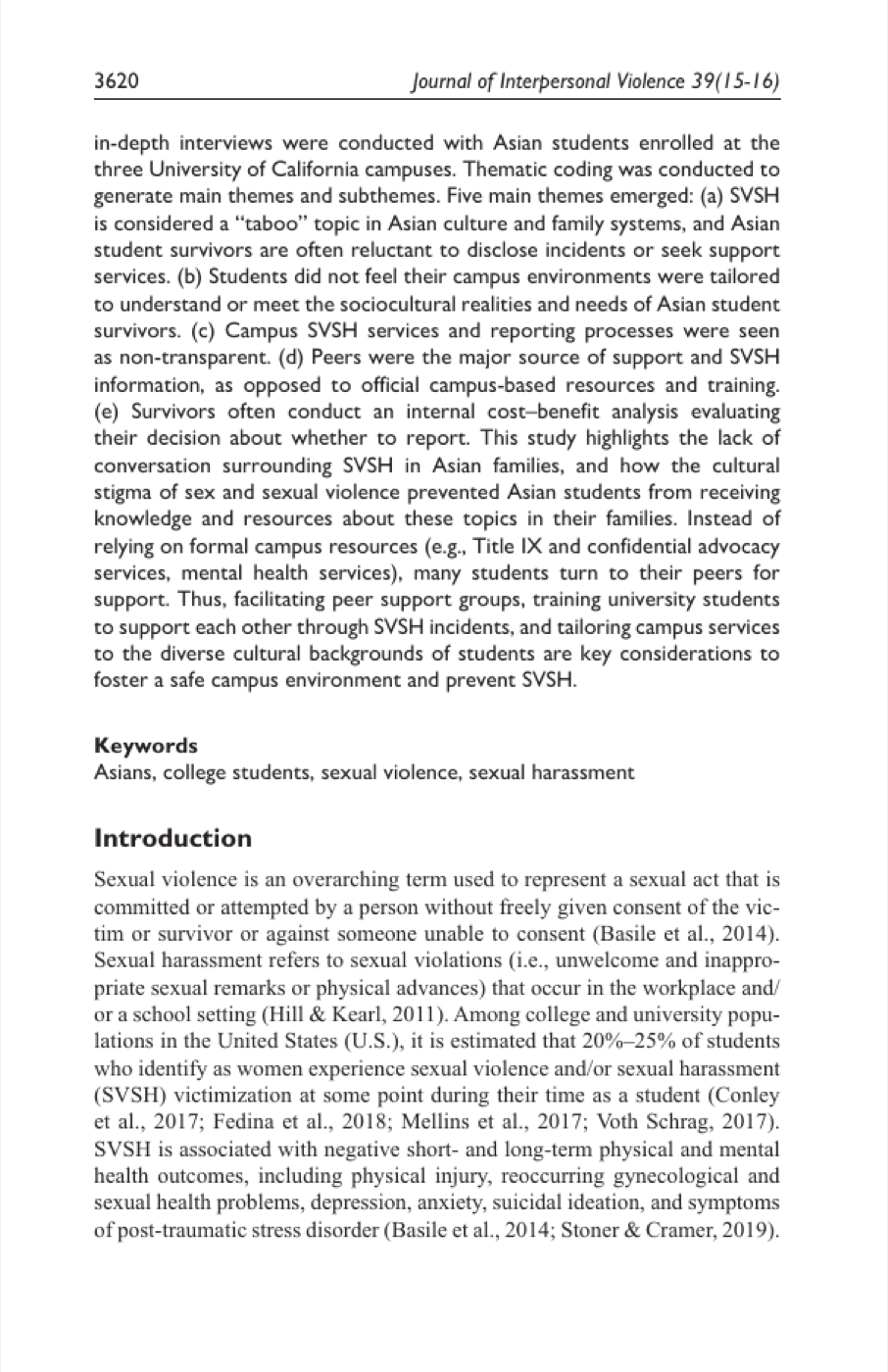
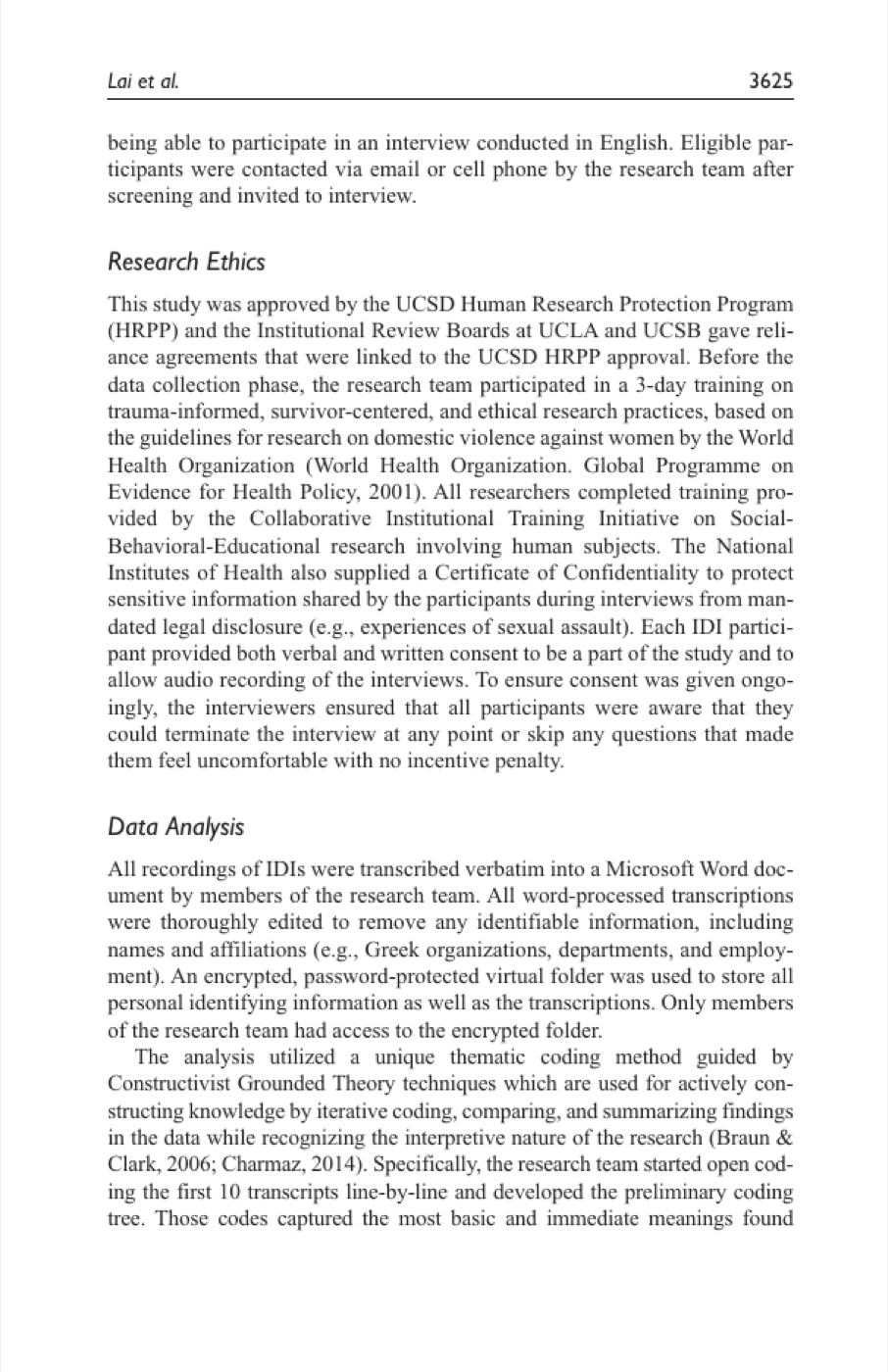
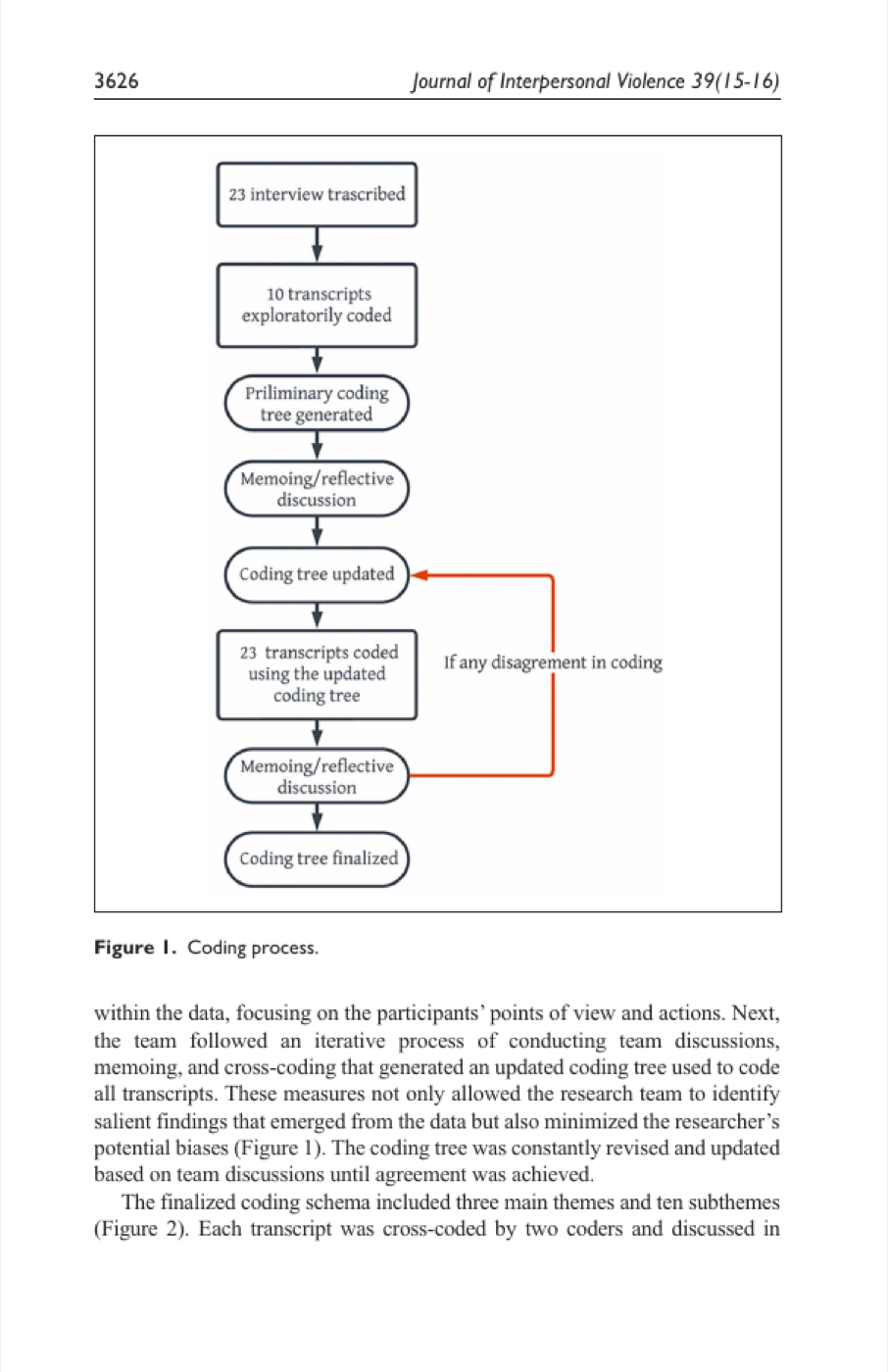
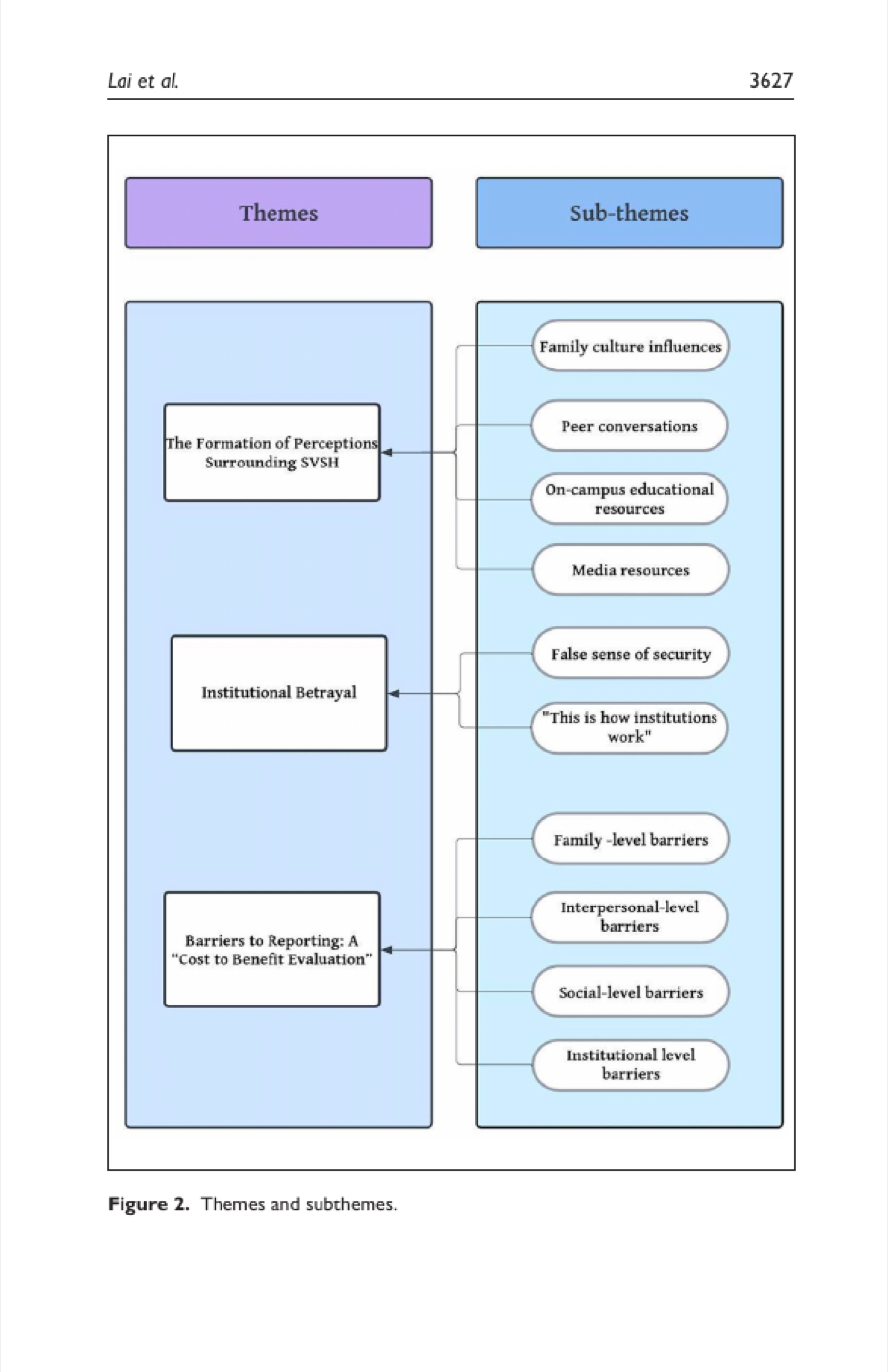
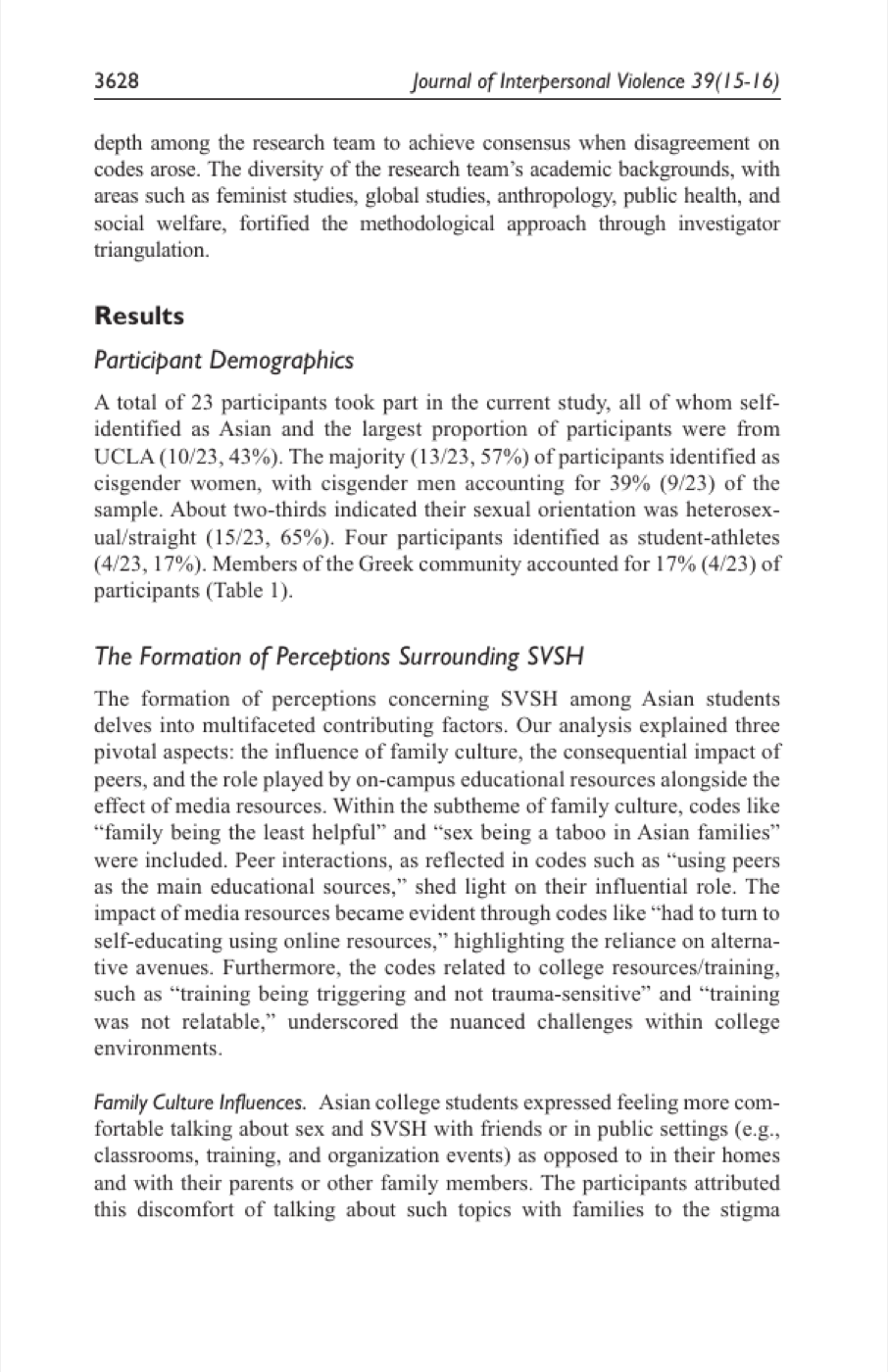
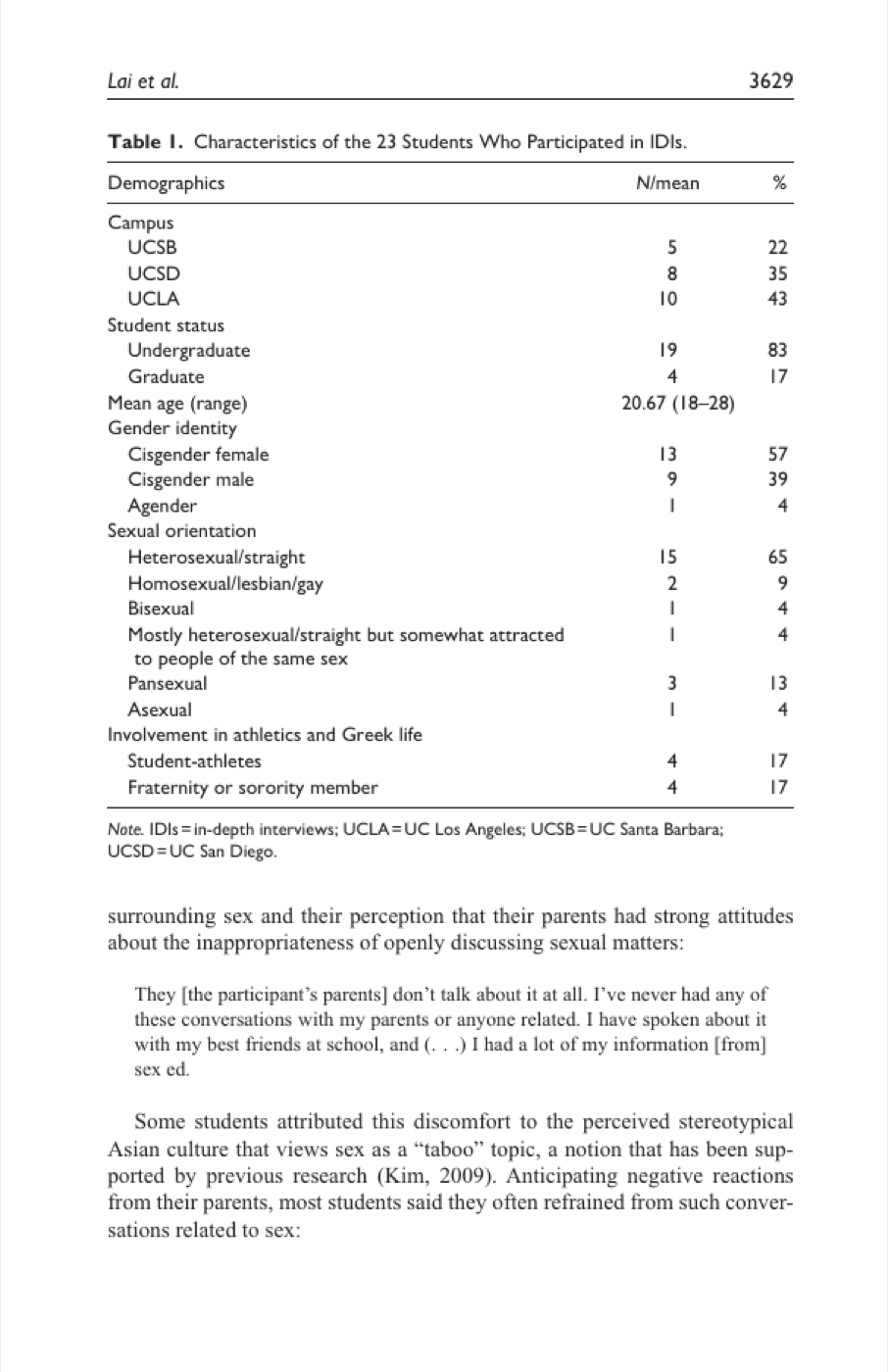
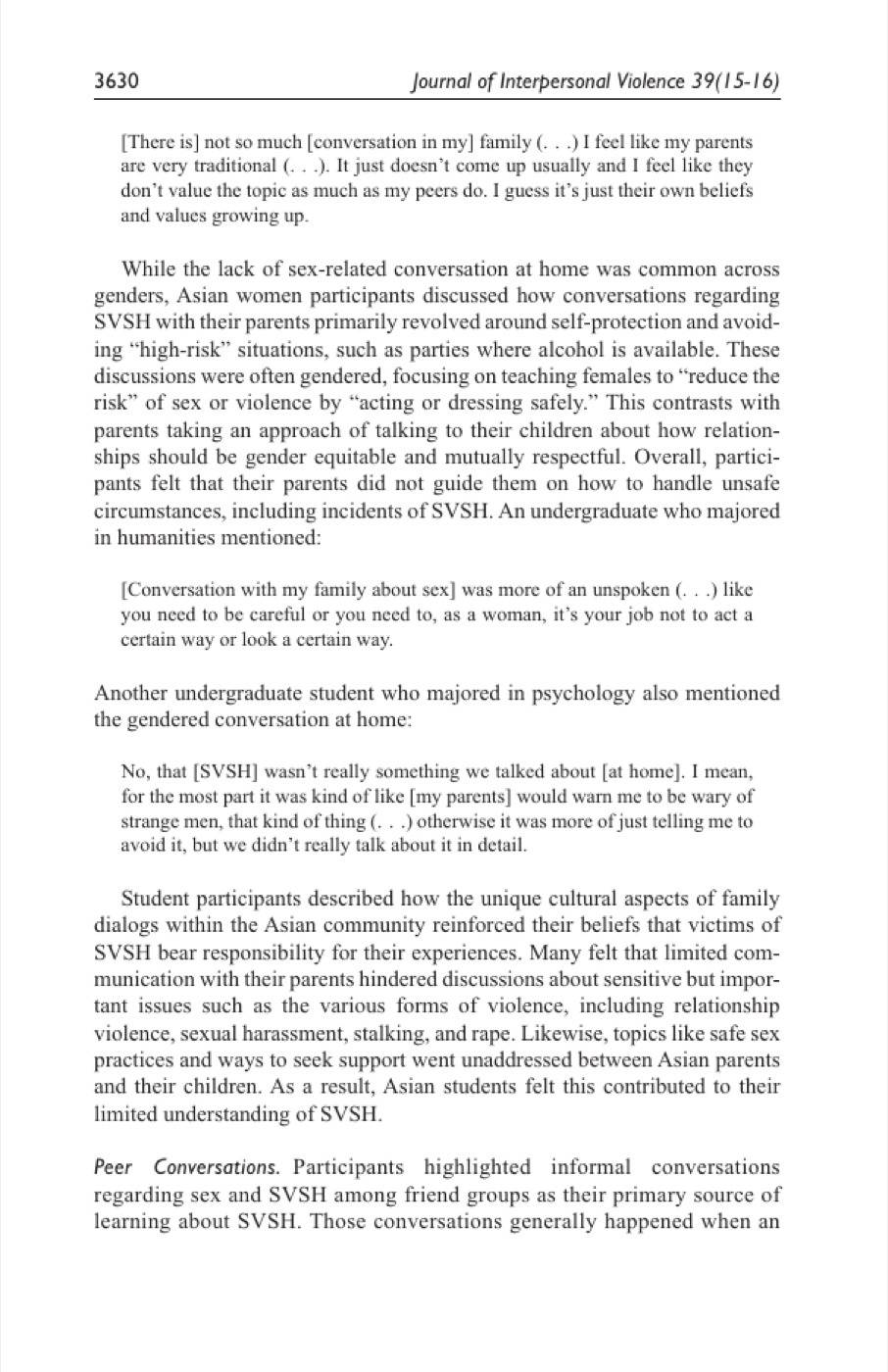
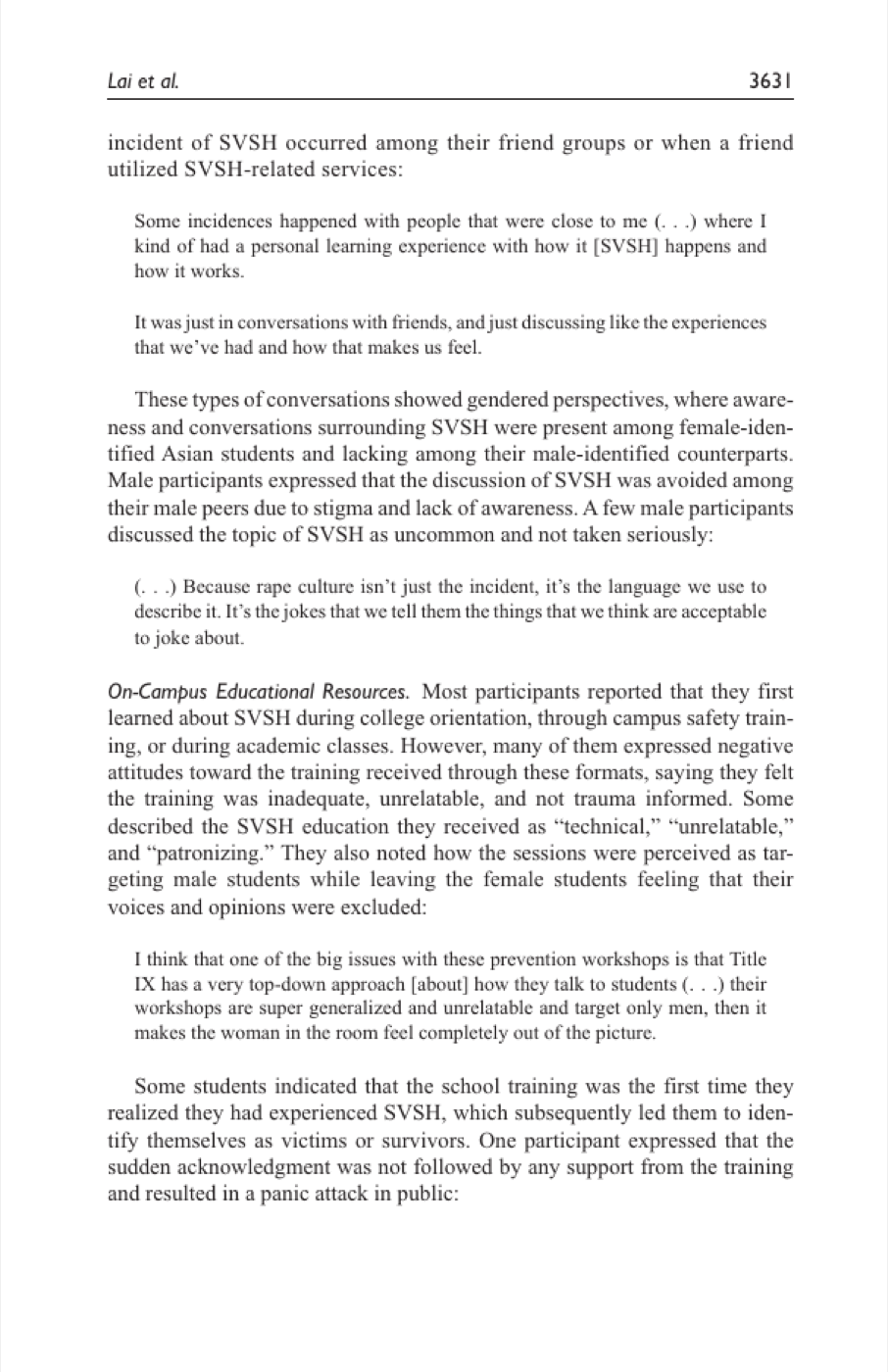
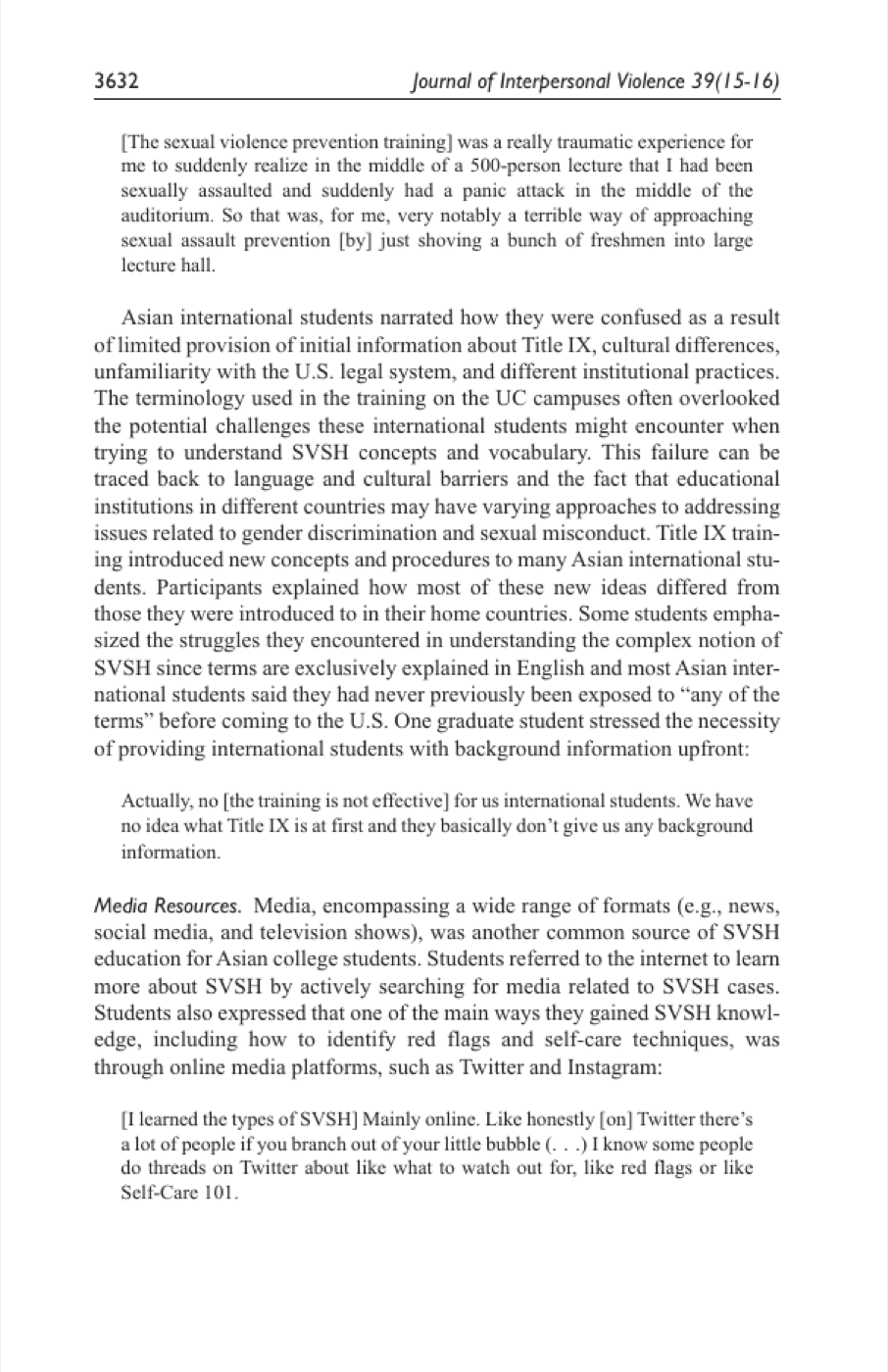
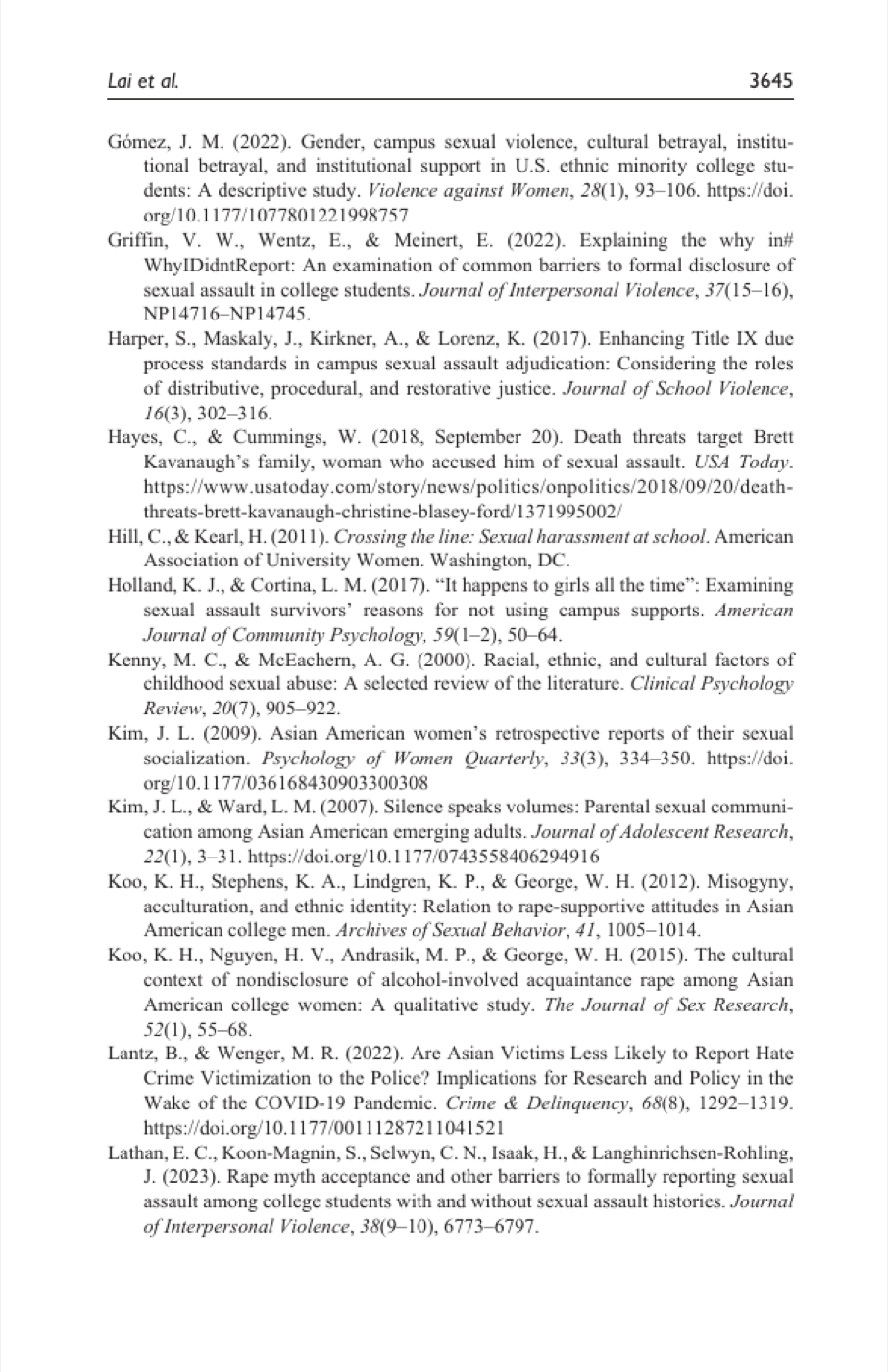
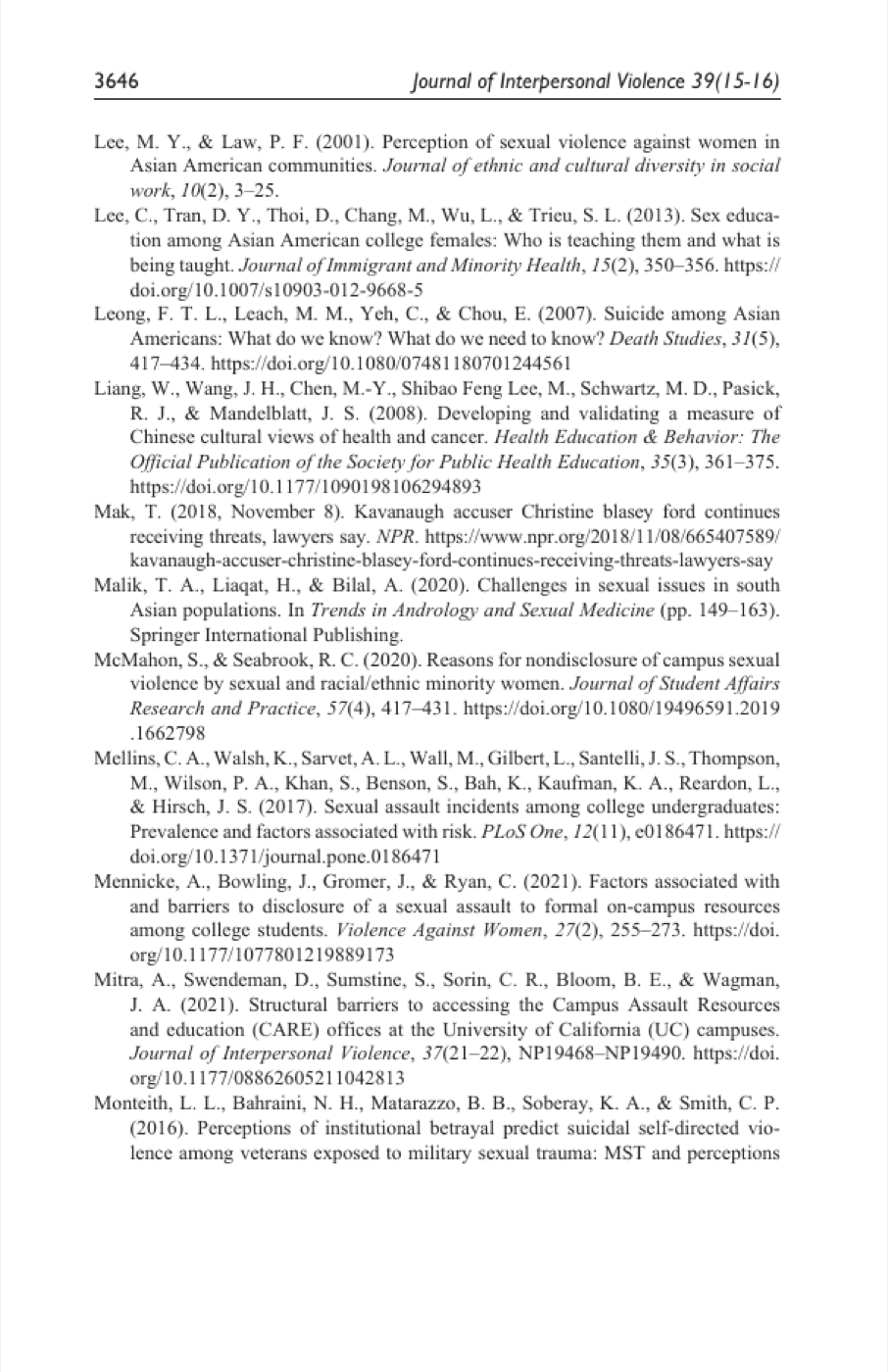
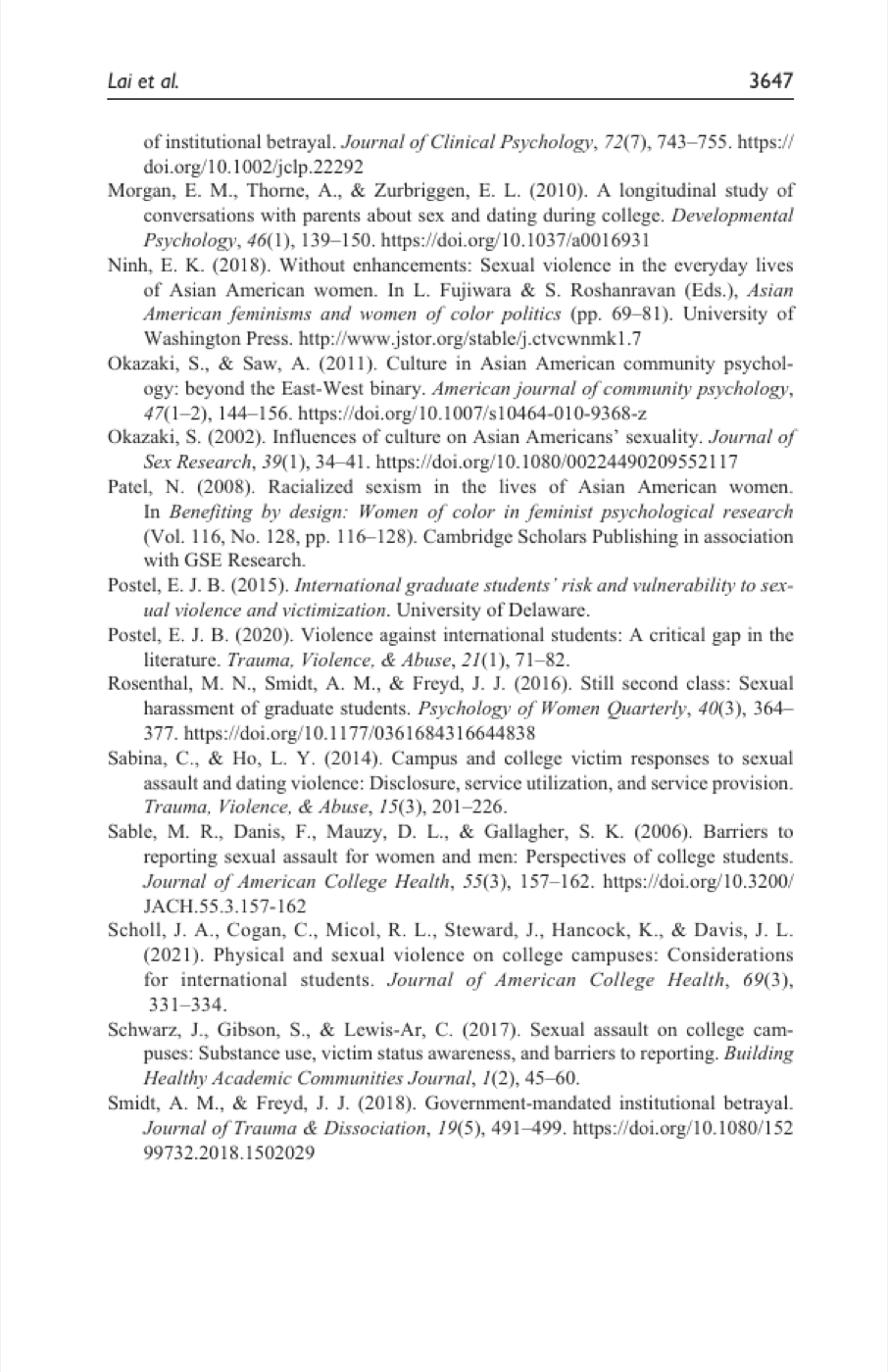
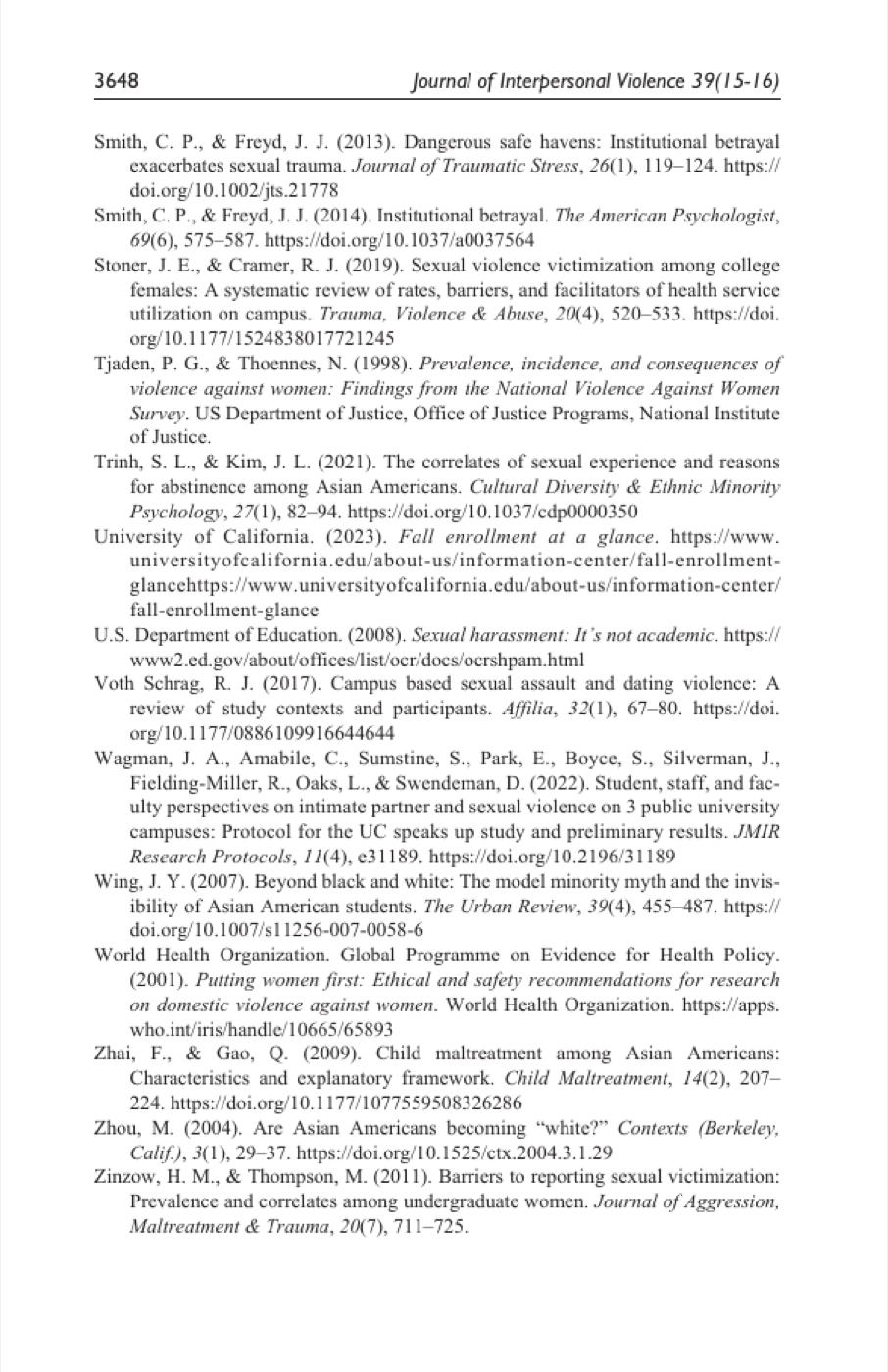
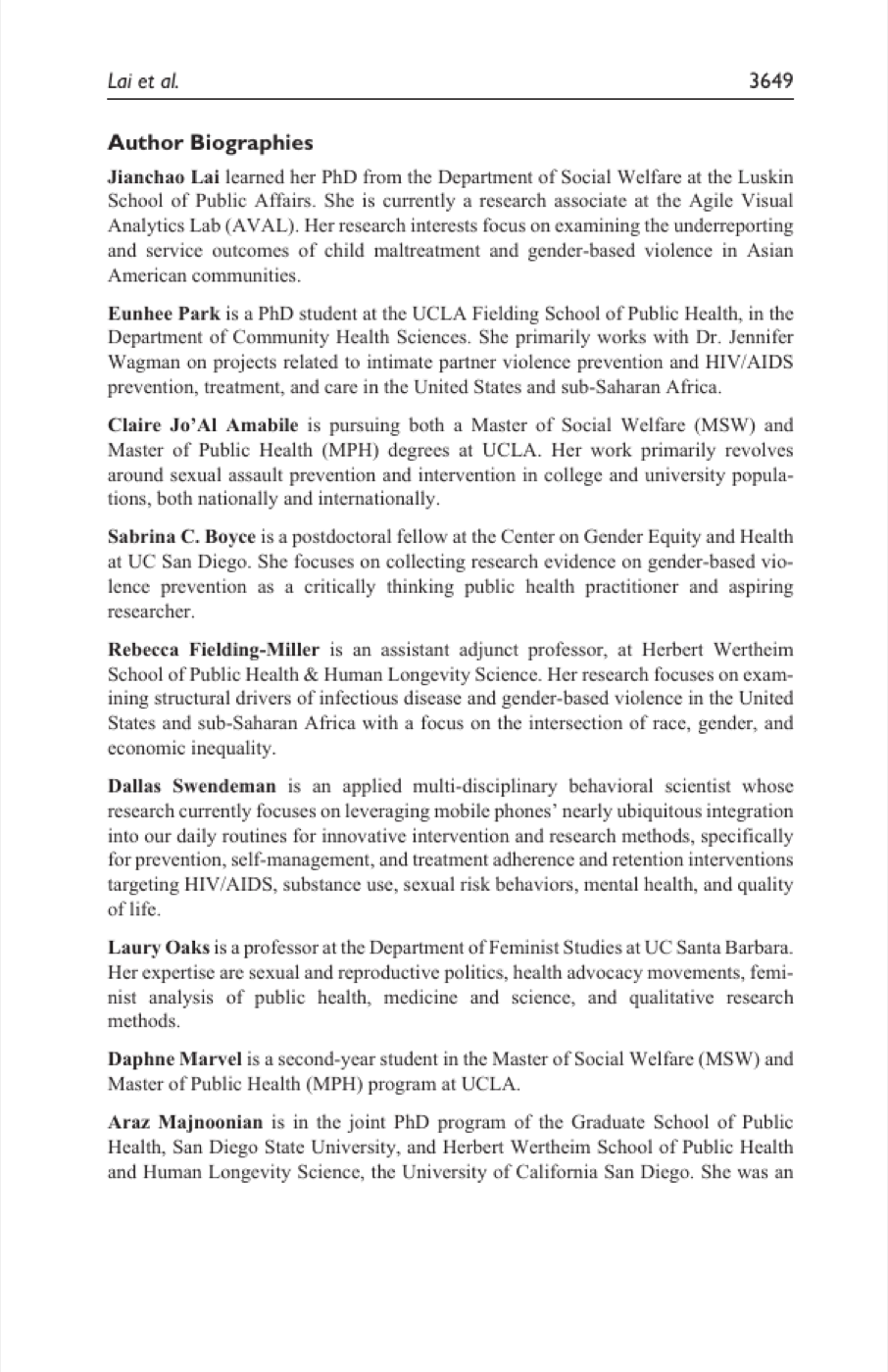
Asian students often described the violence they experienced as unseen, denied, and ignored. Not because it didn’t happen, but because the categories used to define it were built around someone else’s body, family, and language. This paper documents that gap and the strategies students used to seek support anyway.
Lai J, Park E, Amabile CJ, Boyce SC, Fielding-Miller R, Swendeman D, Oaks L, Marvel D, Majnoonian A, Silverman J, Wagman J. “They Don’t See Us”: Asian Students’ Perceptions of Sexual Violence and Sexual Harassment on Three California Public University Campuses. Journal of Interpersonal Violence. 2024.
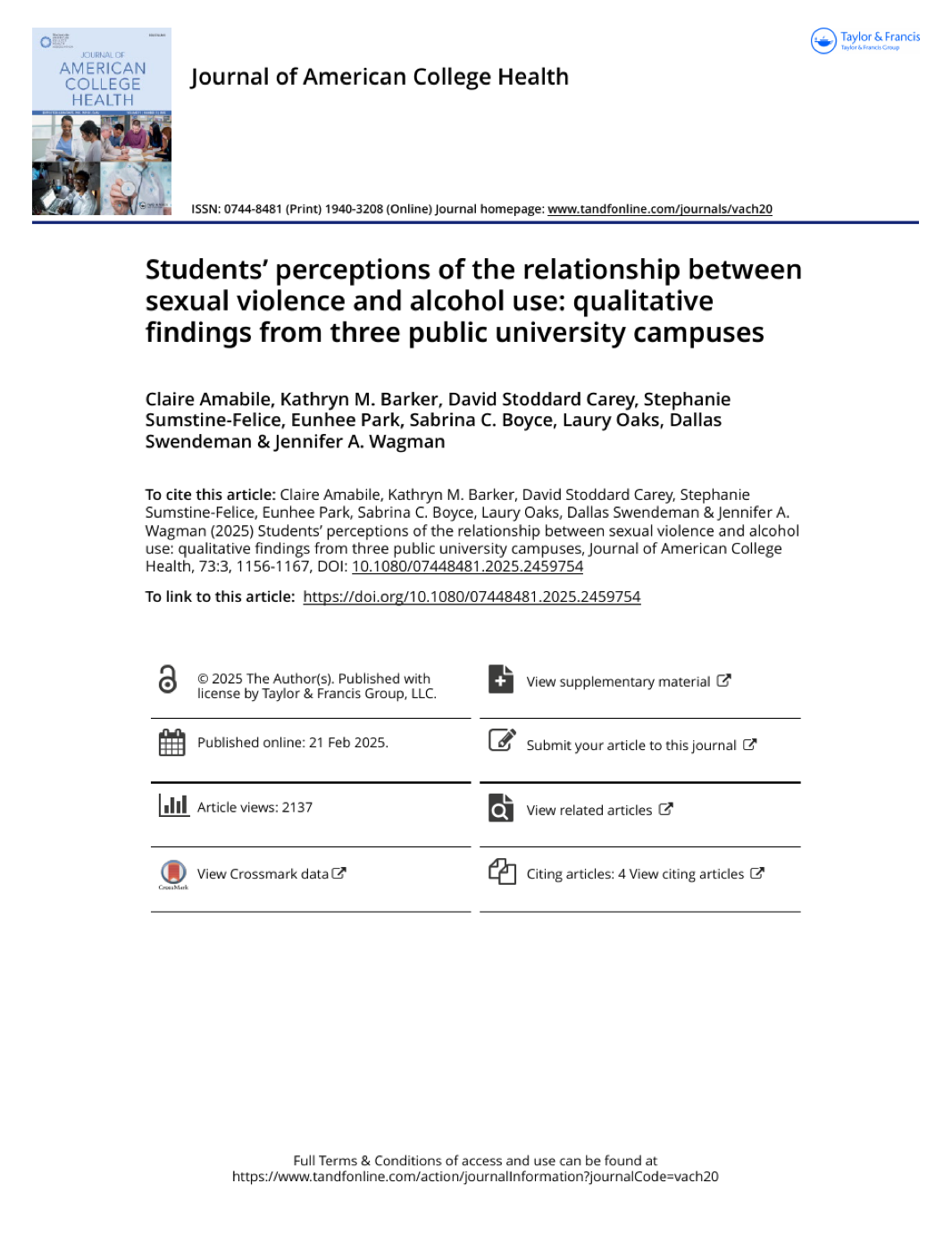
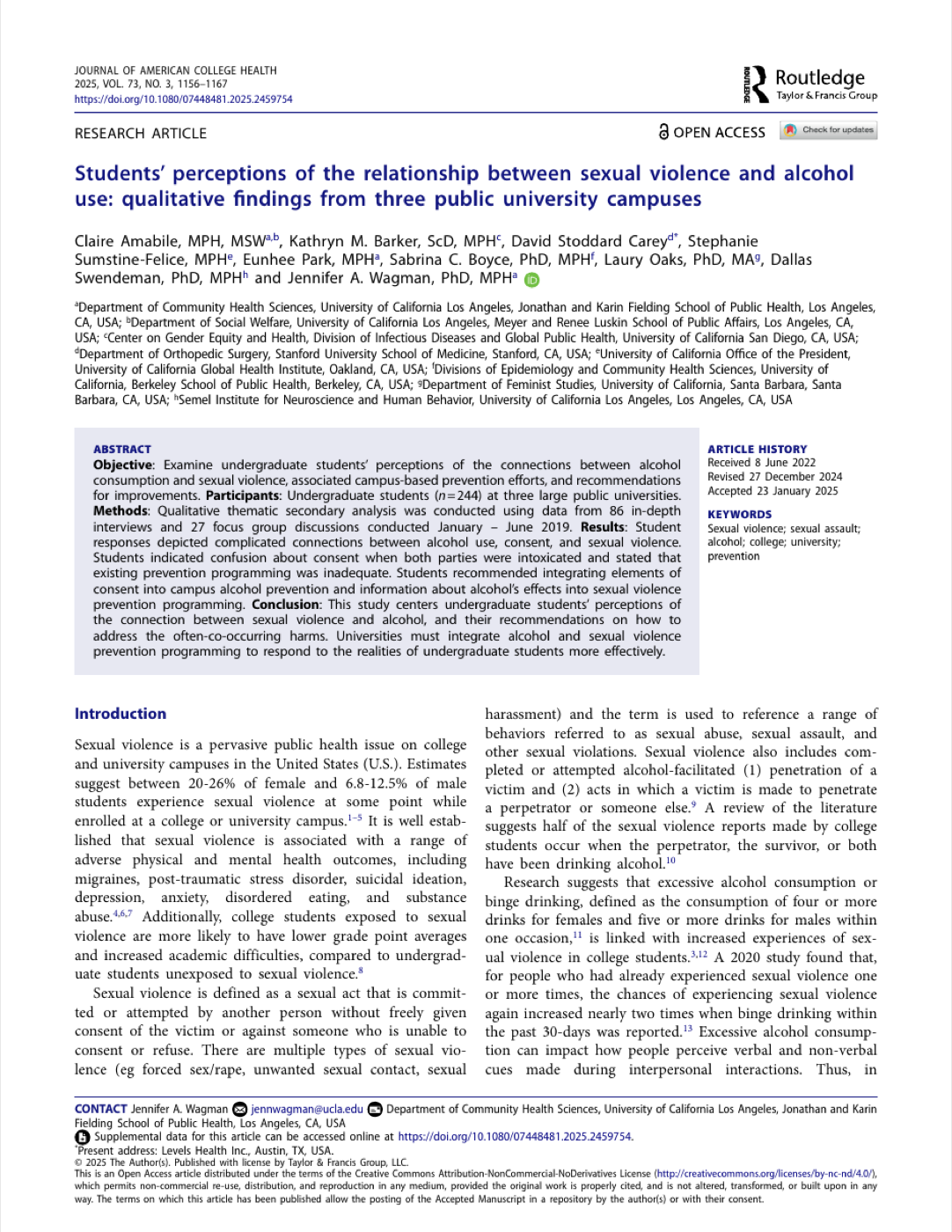
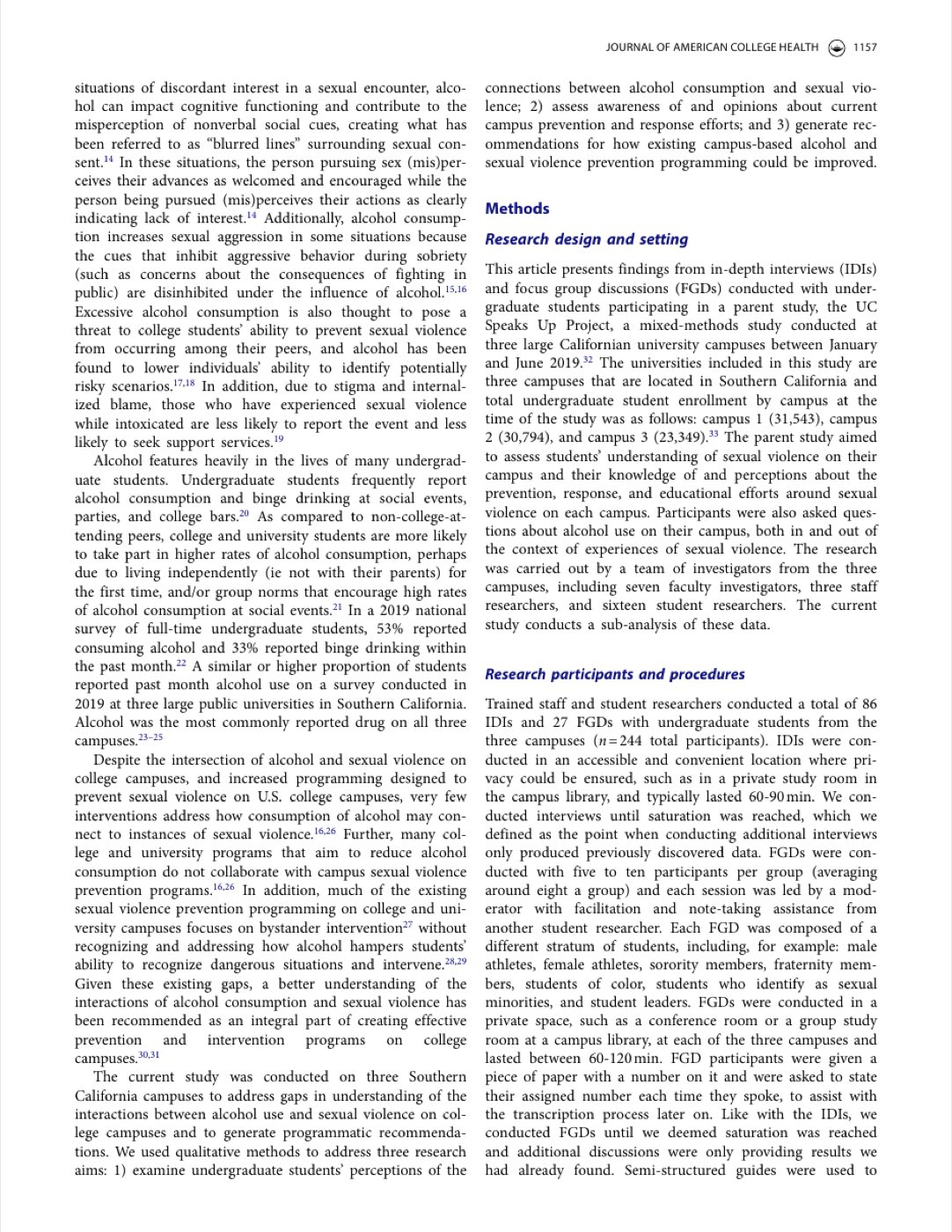
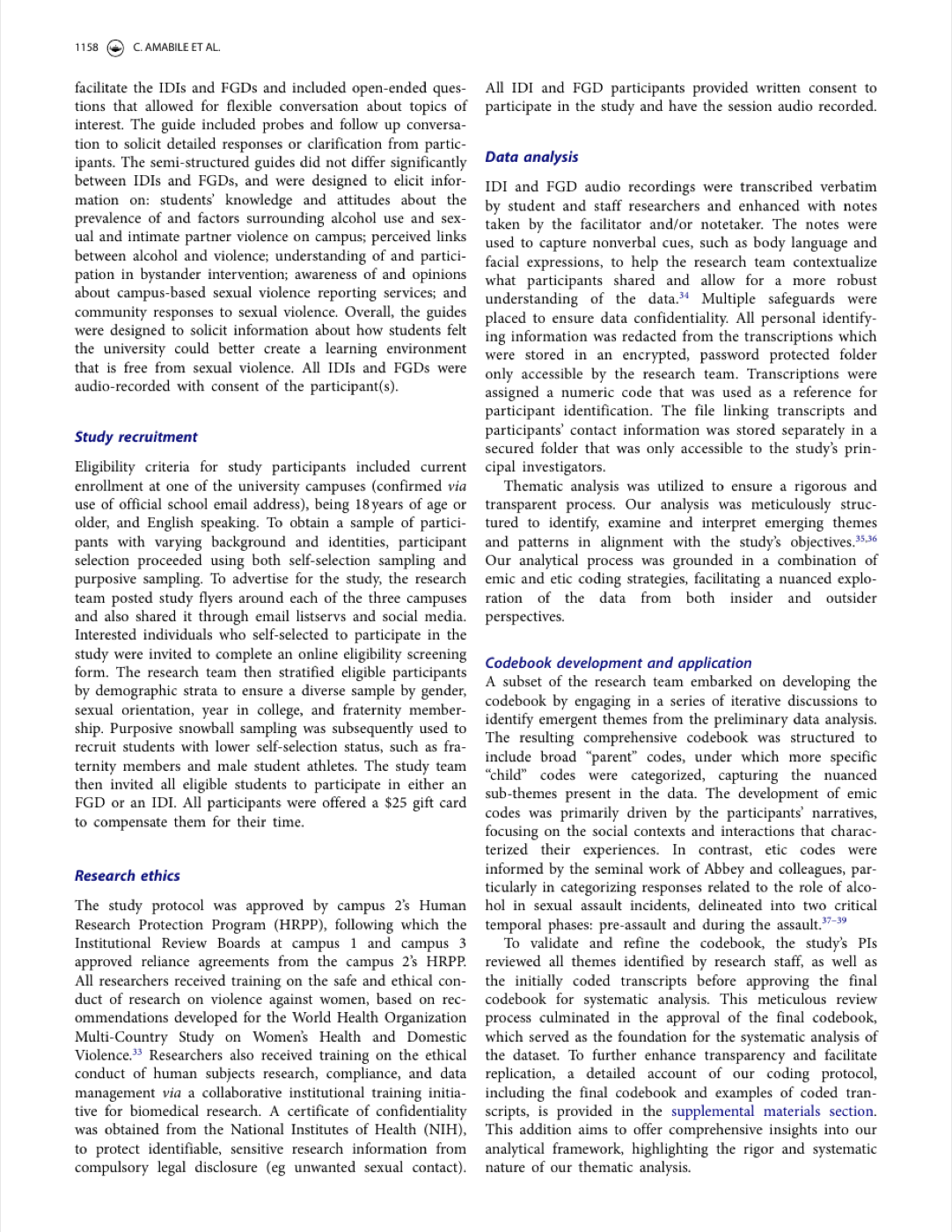
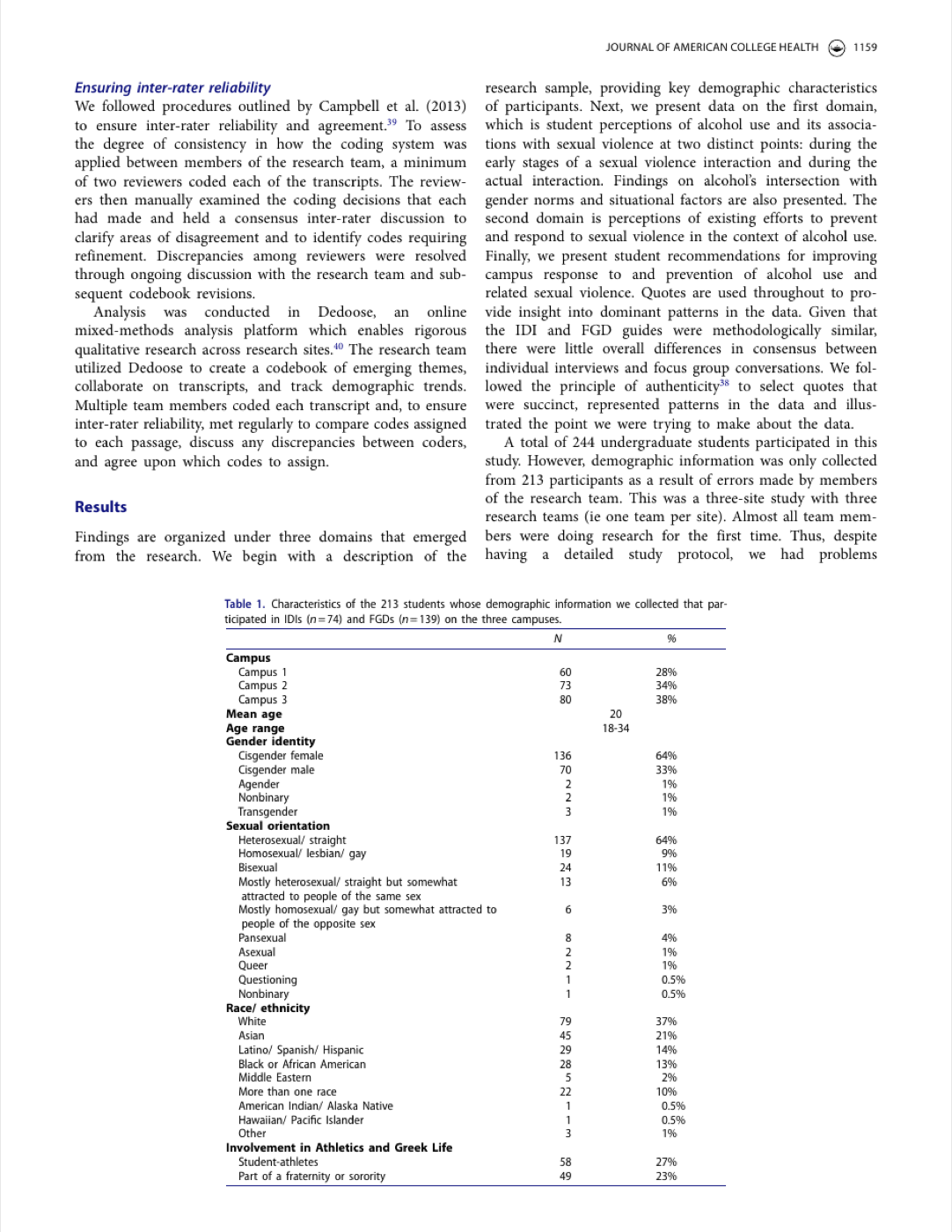
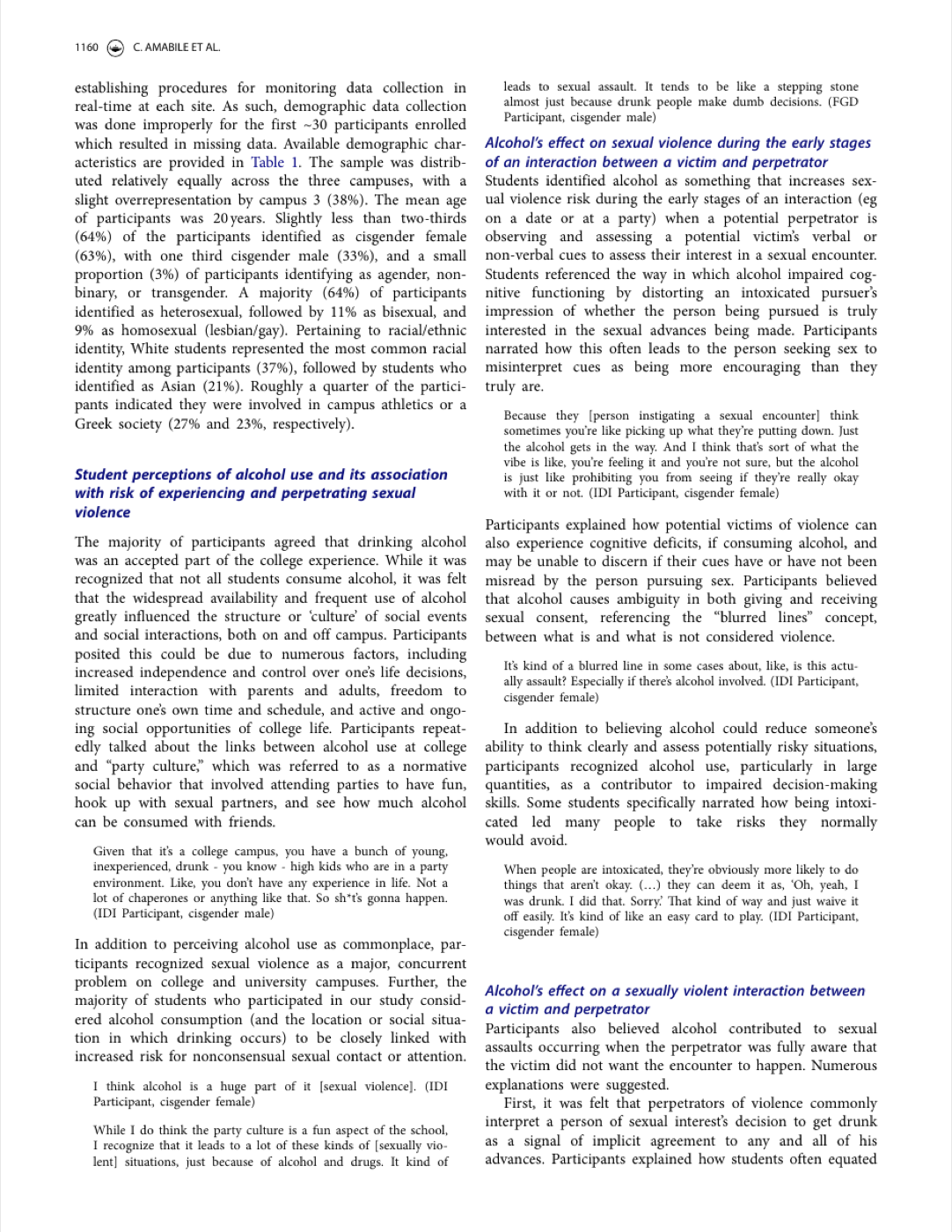
The link between sexual violence and alcohol is everywhere on college campuses, usually as a moral lesson. We asked students to describe how alcohol actually figures into their understanding of harm, consent, and responsibility.
Amabile C, Barker KM, Carey DS, Sumstine-Felice S, Park E, Boyce SC, Oaks L, Swendeman D, Wagman JA. Students’ Perceptions of the Relationship between Sexual Violence and Alcohol Use: Qualitative Findings from Three Public University Campuses. Journal of American College Health. 2025 Mar 16;73(3):1156-67.
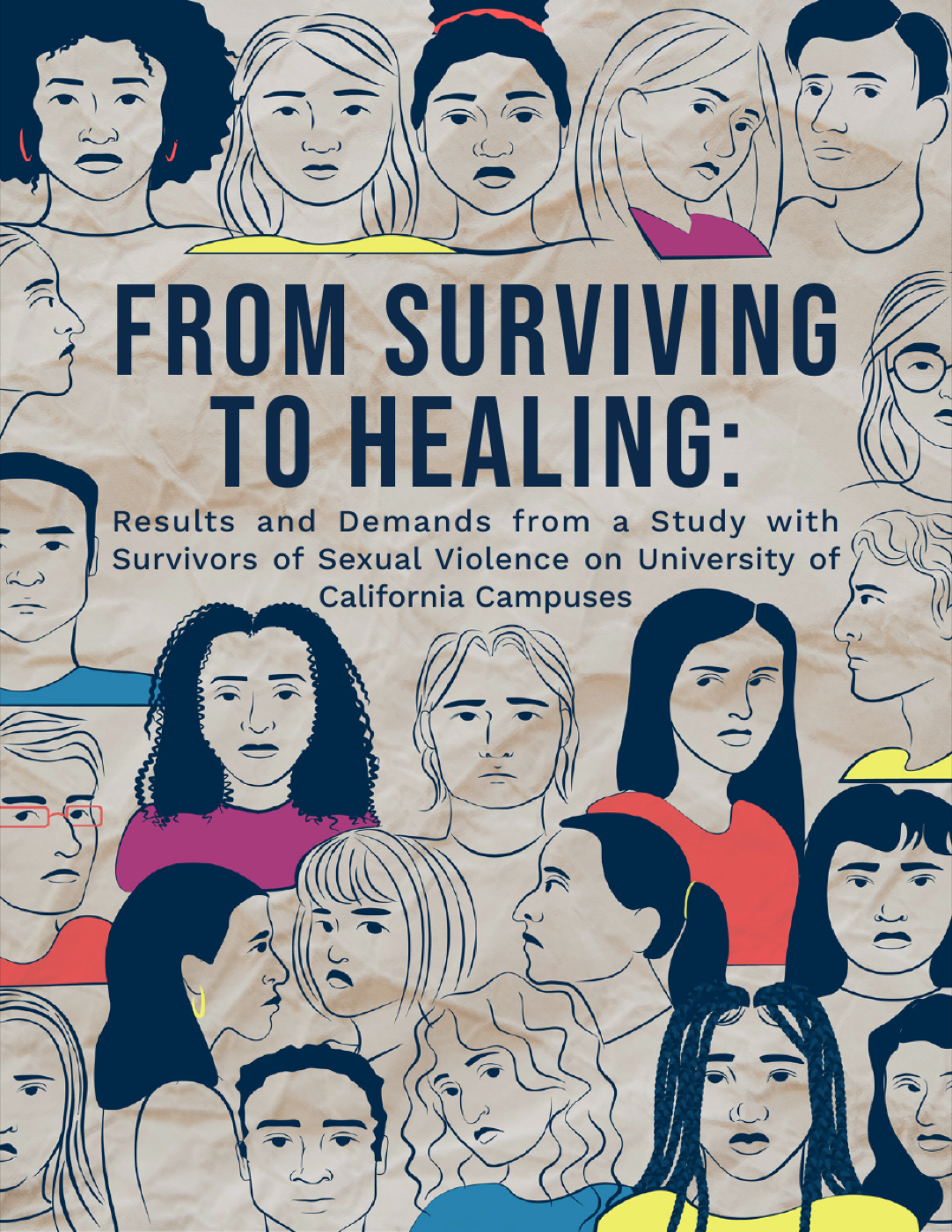
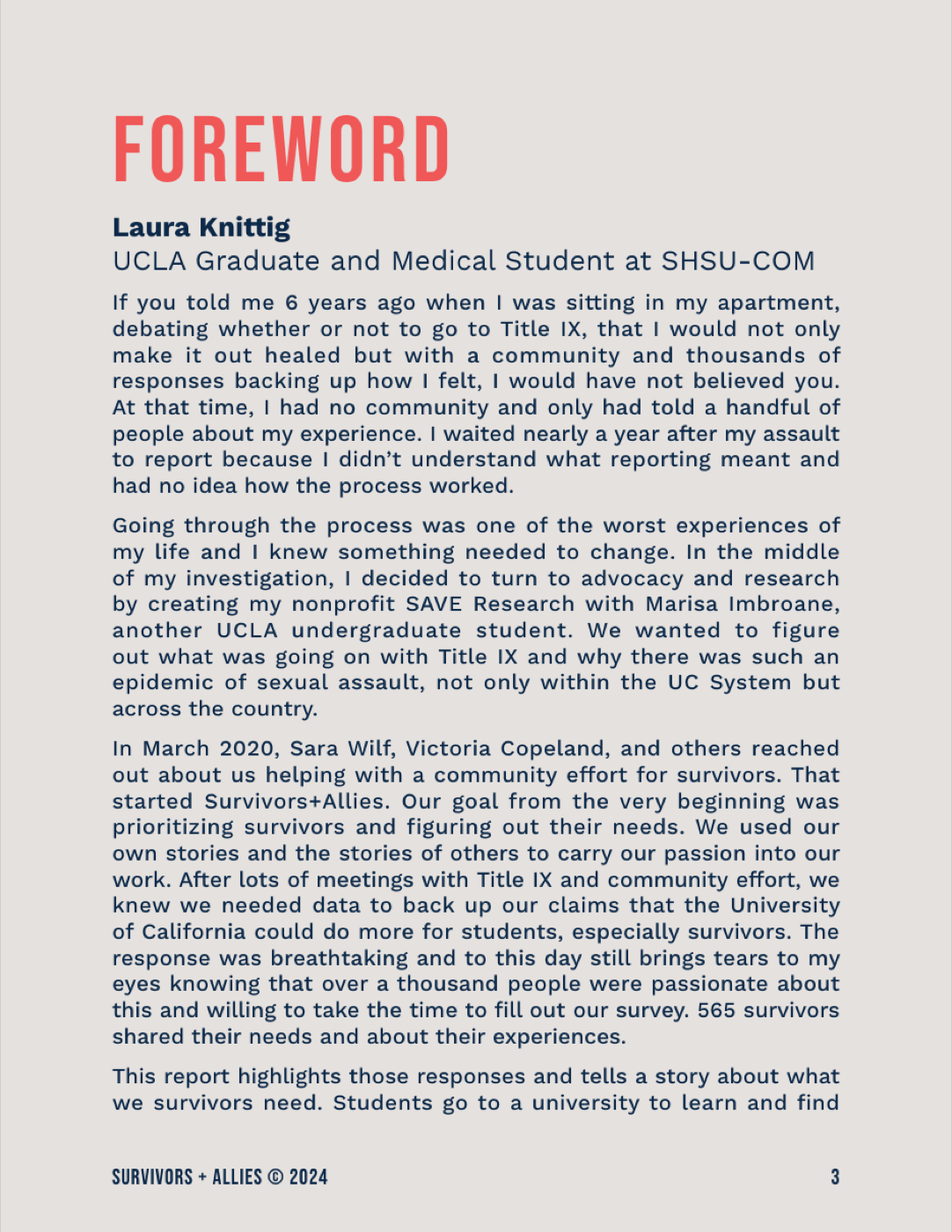
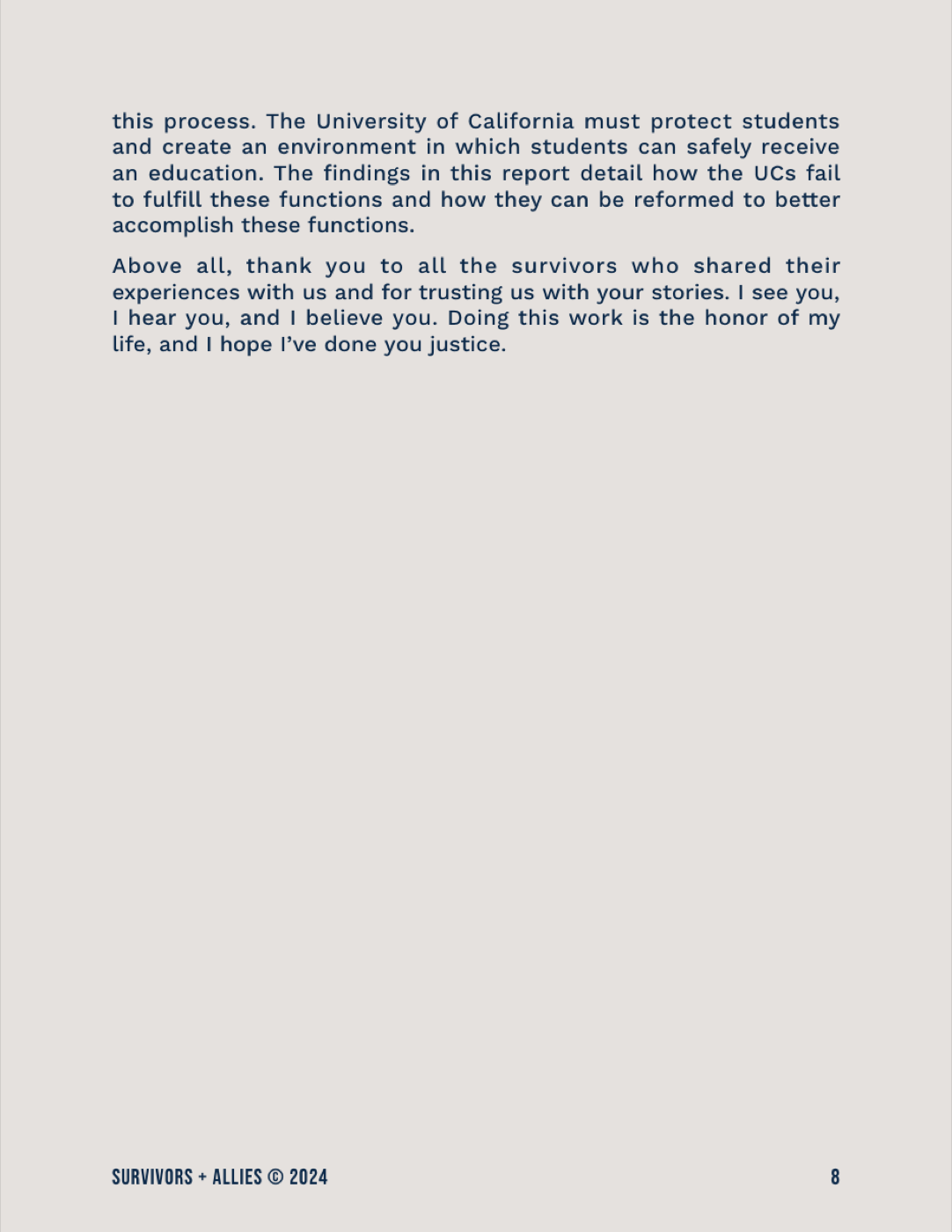
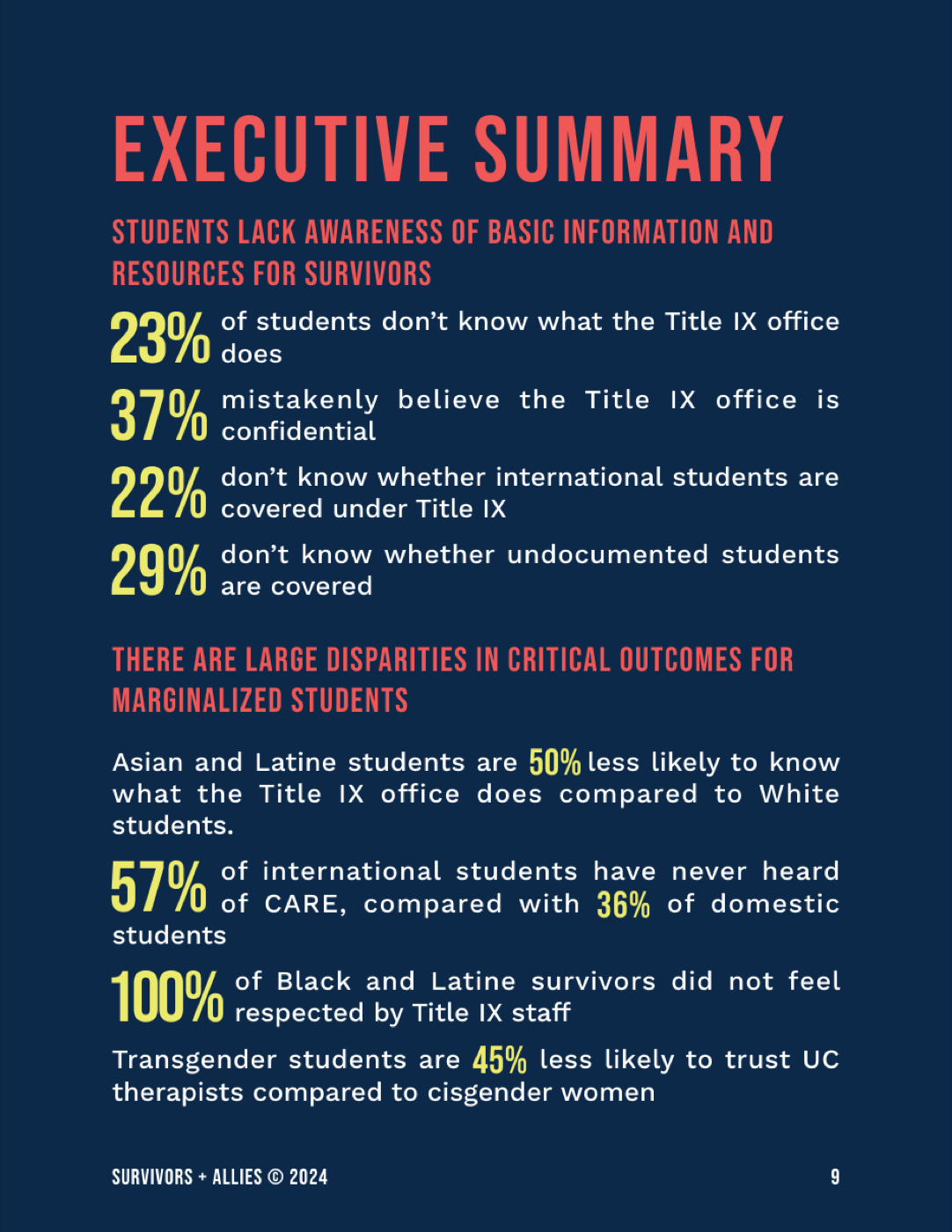
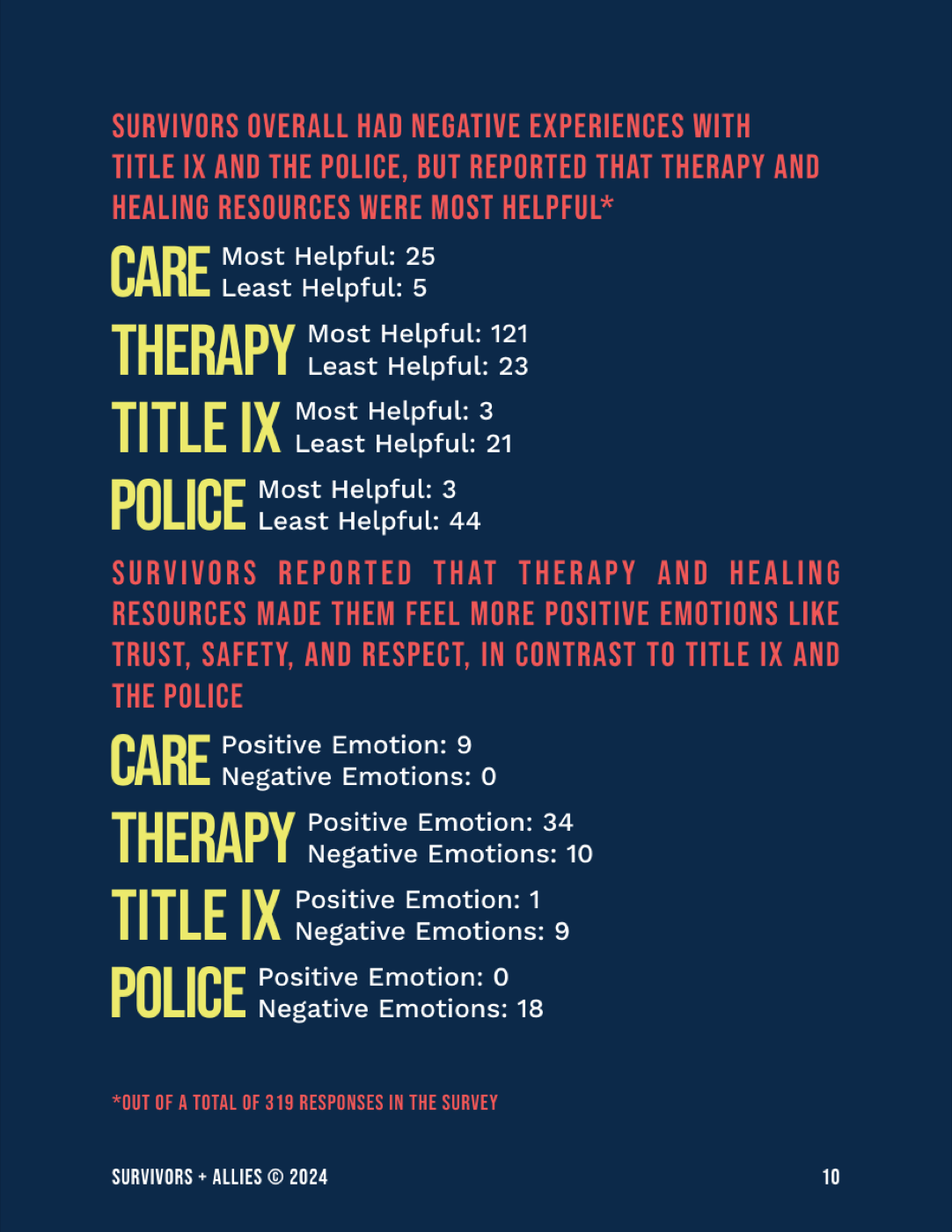
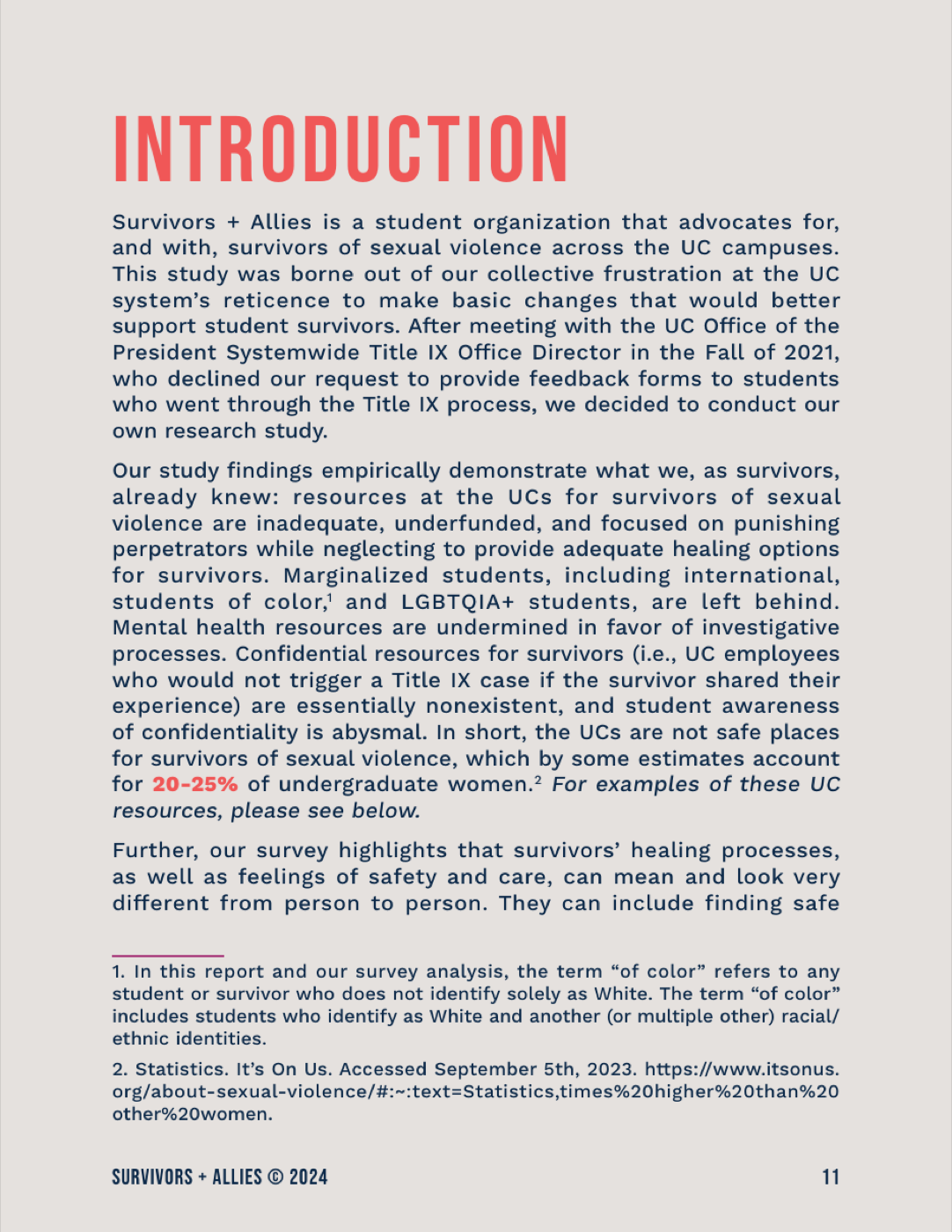
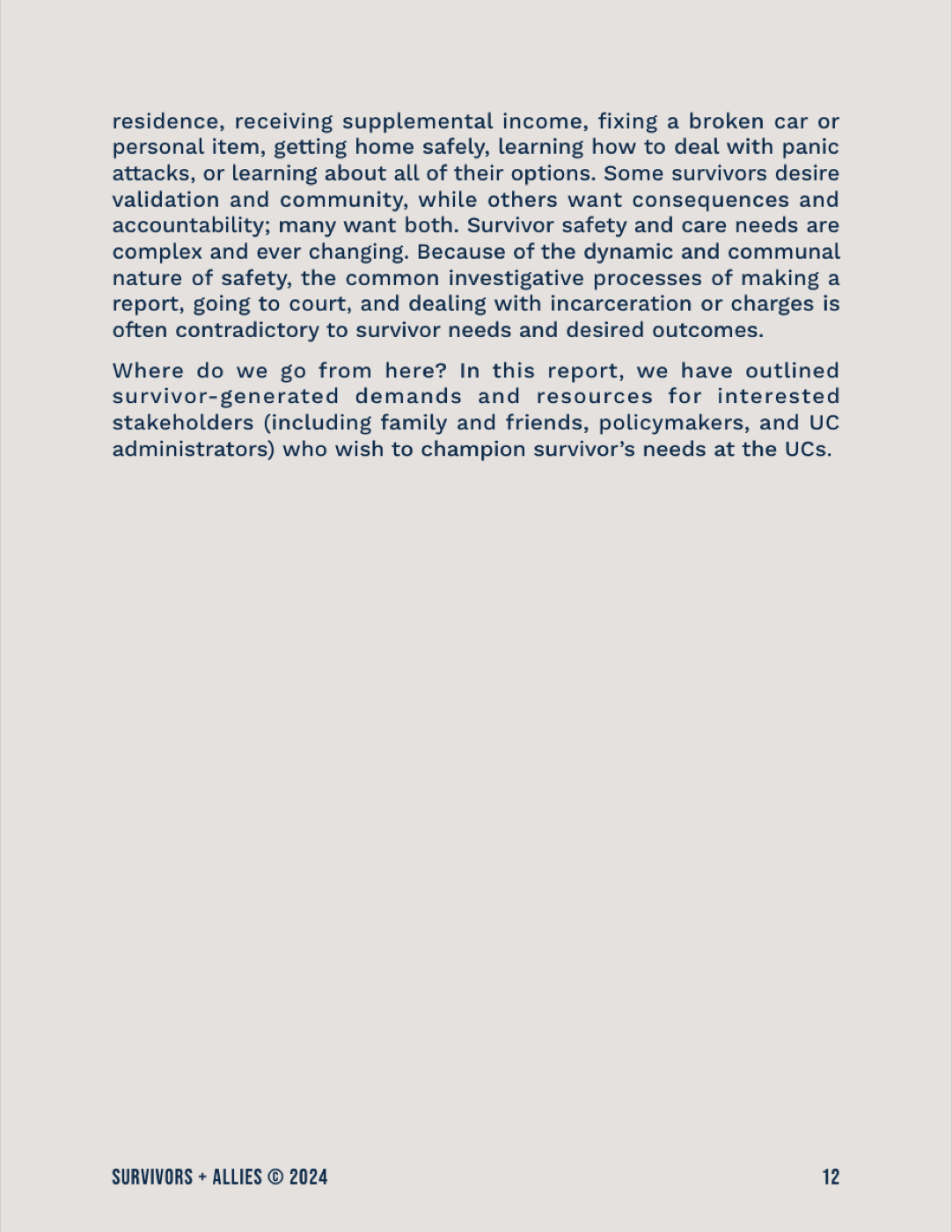
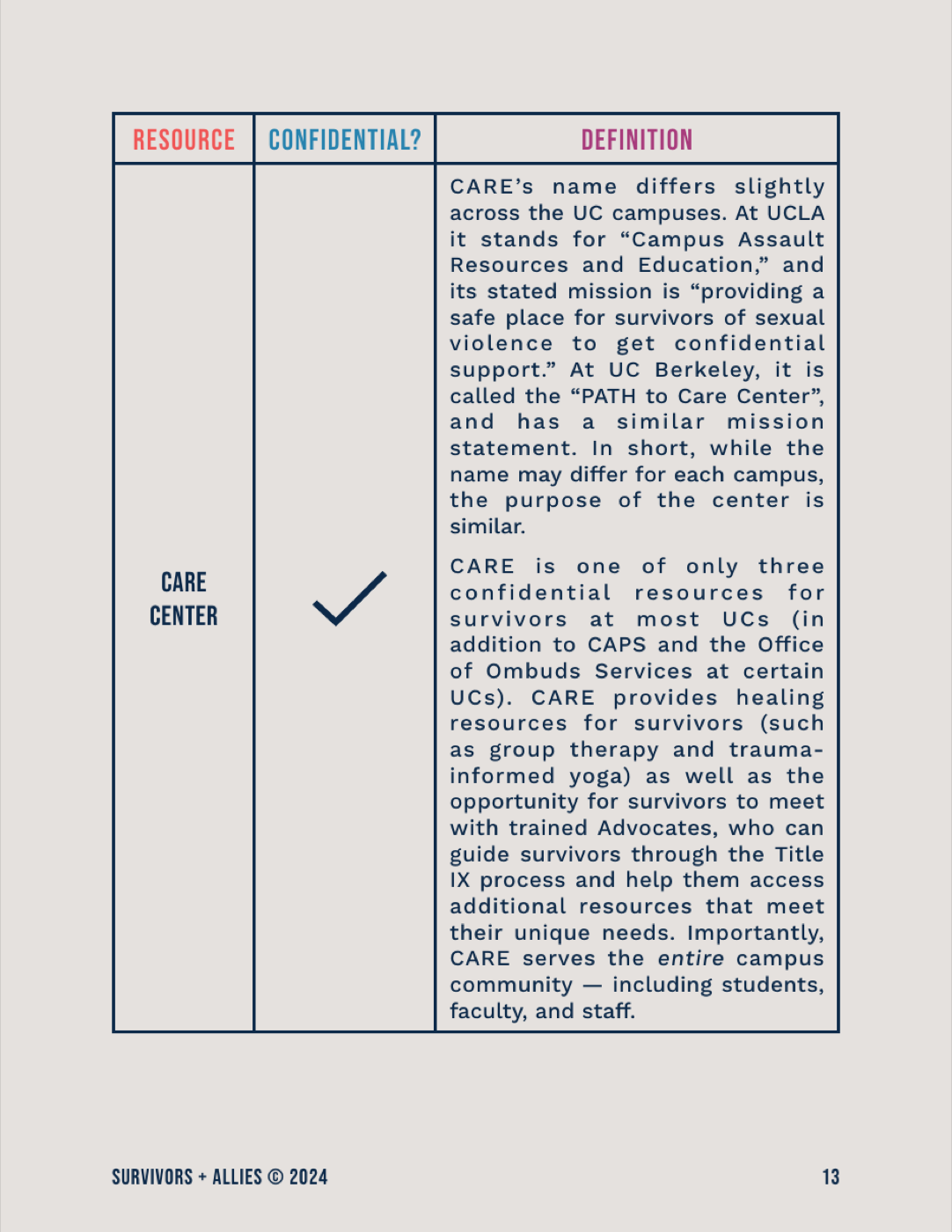
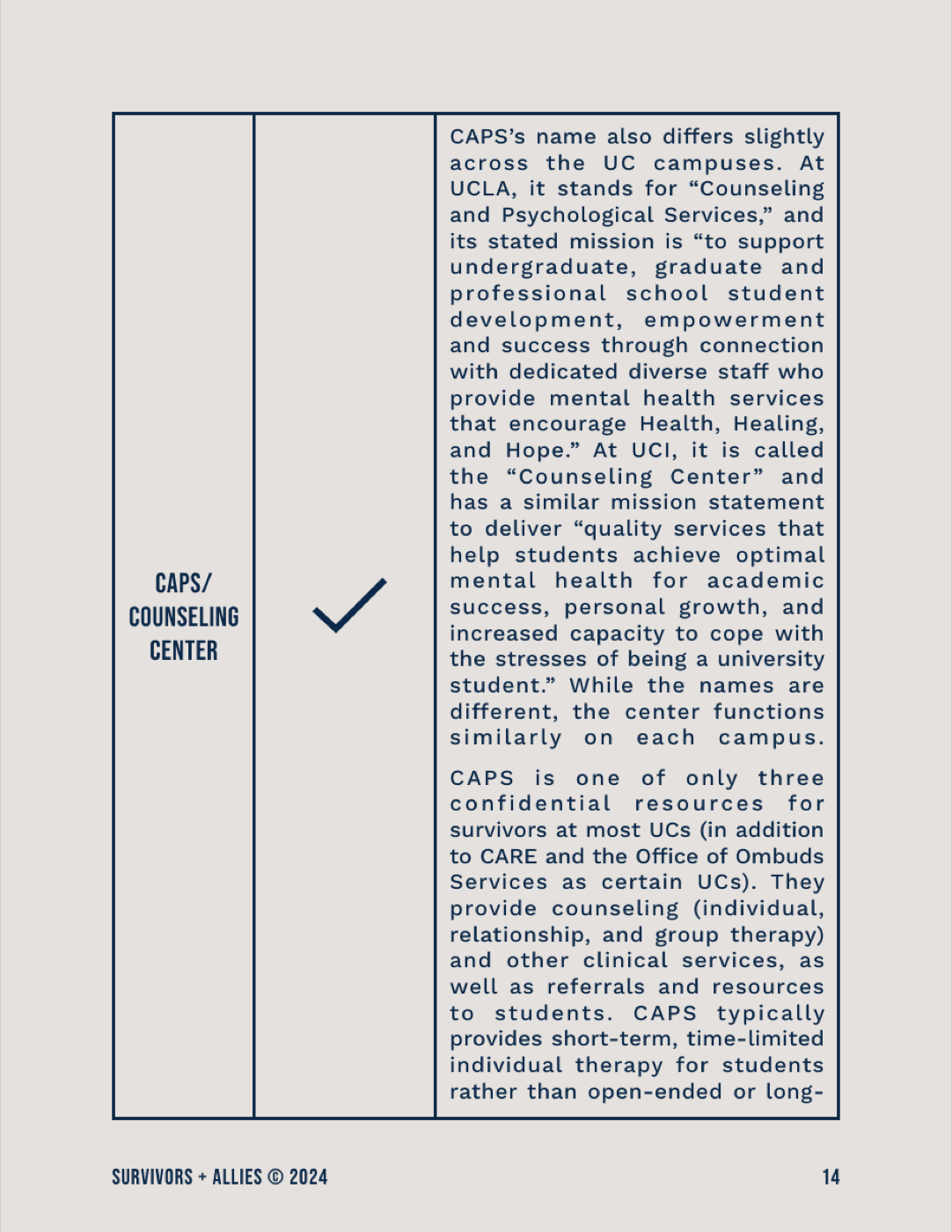
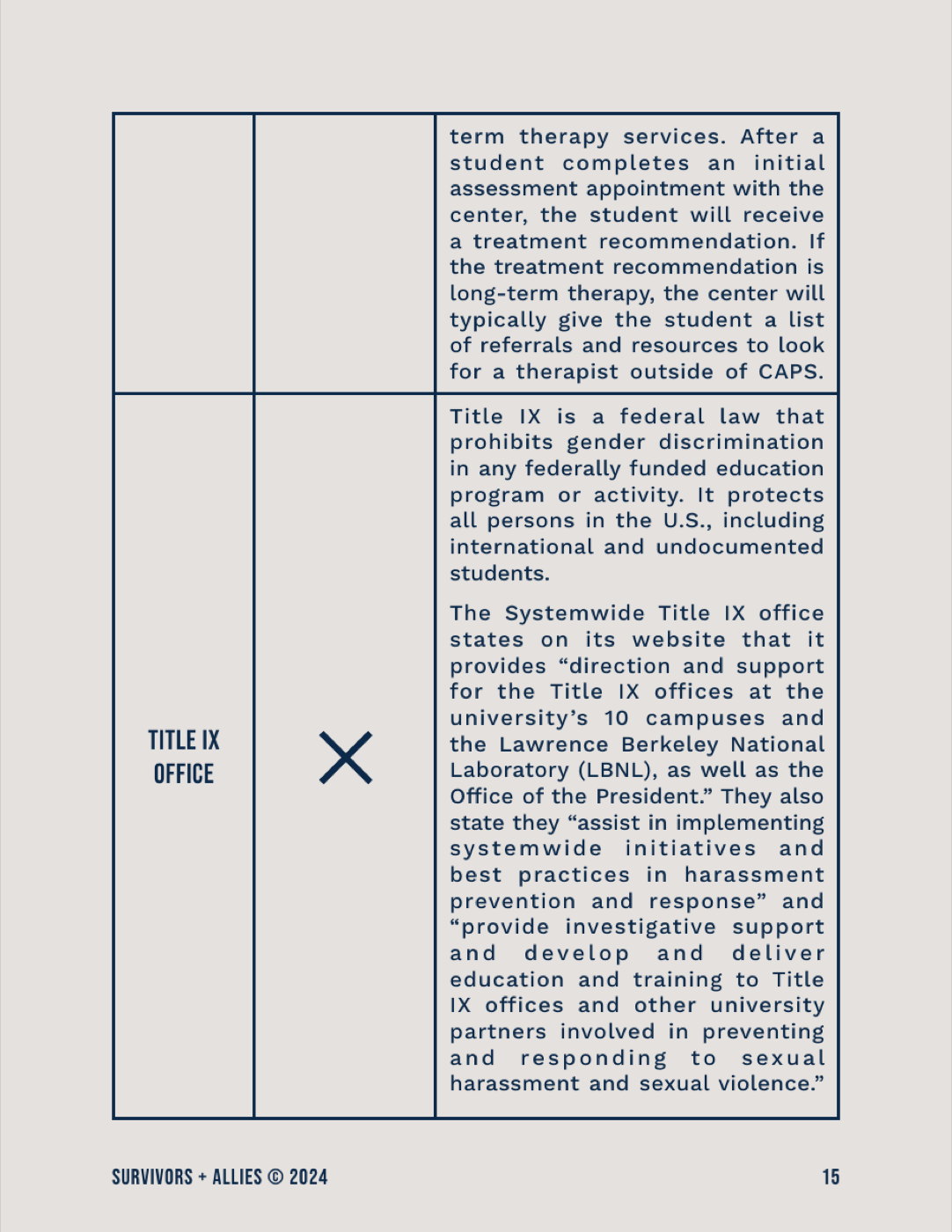
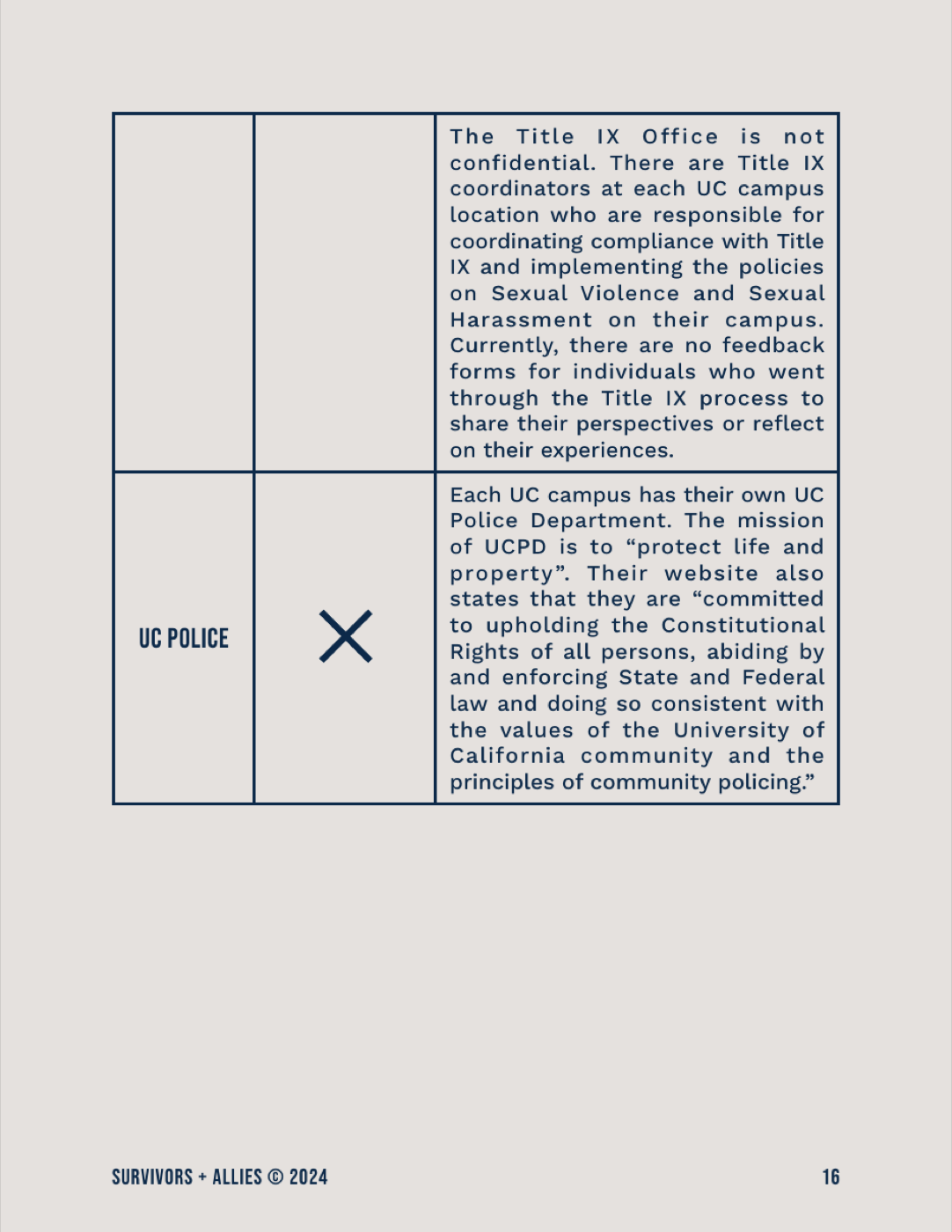
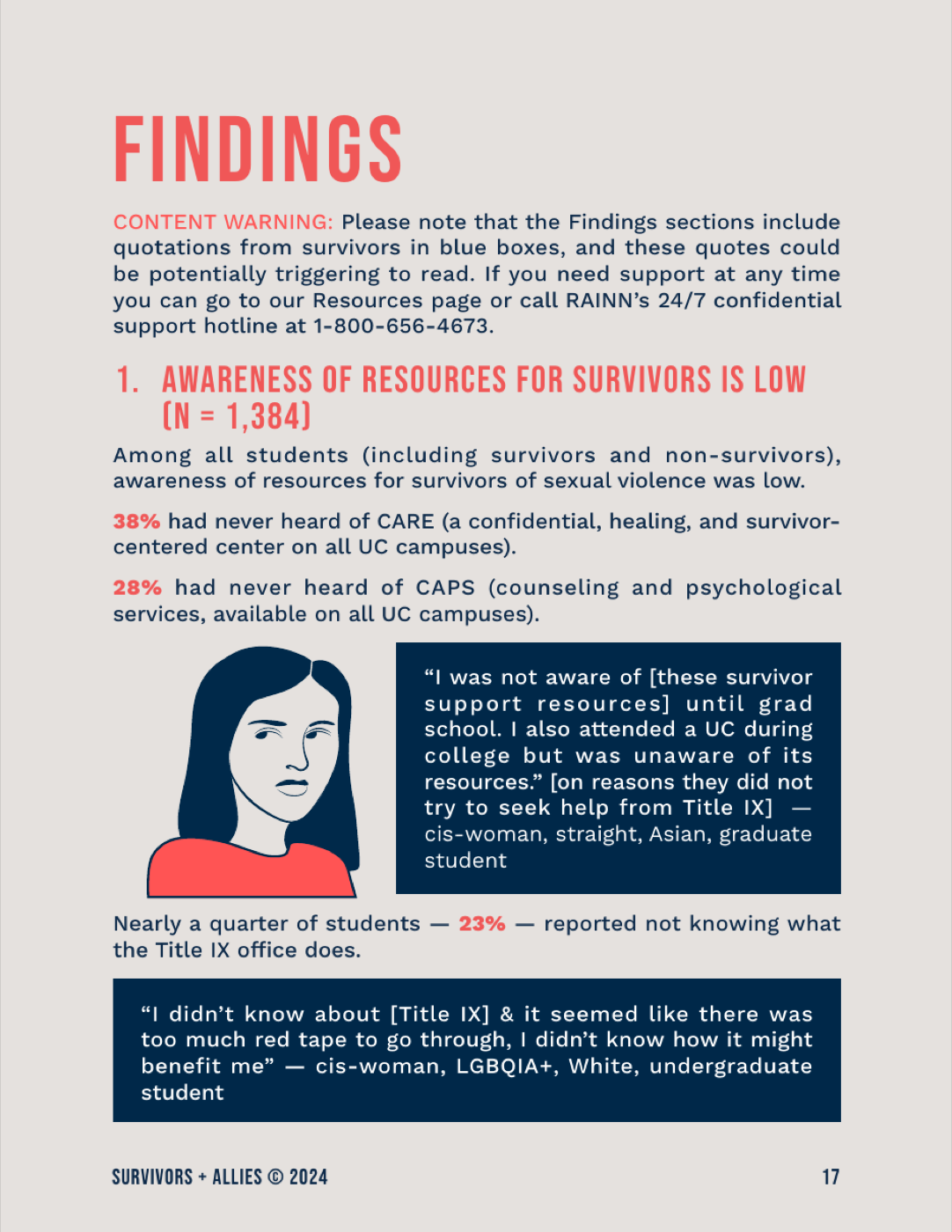
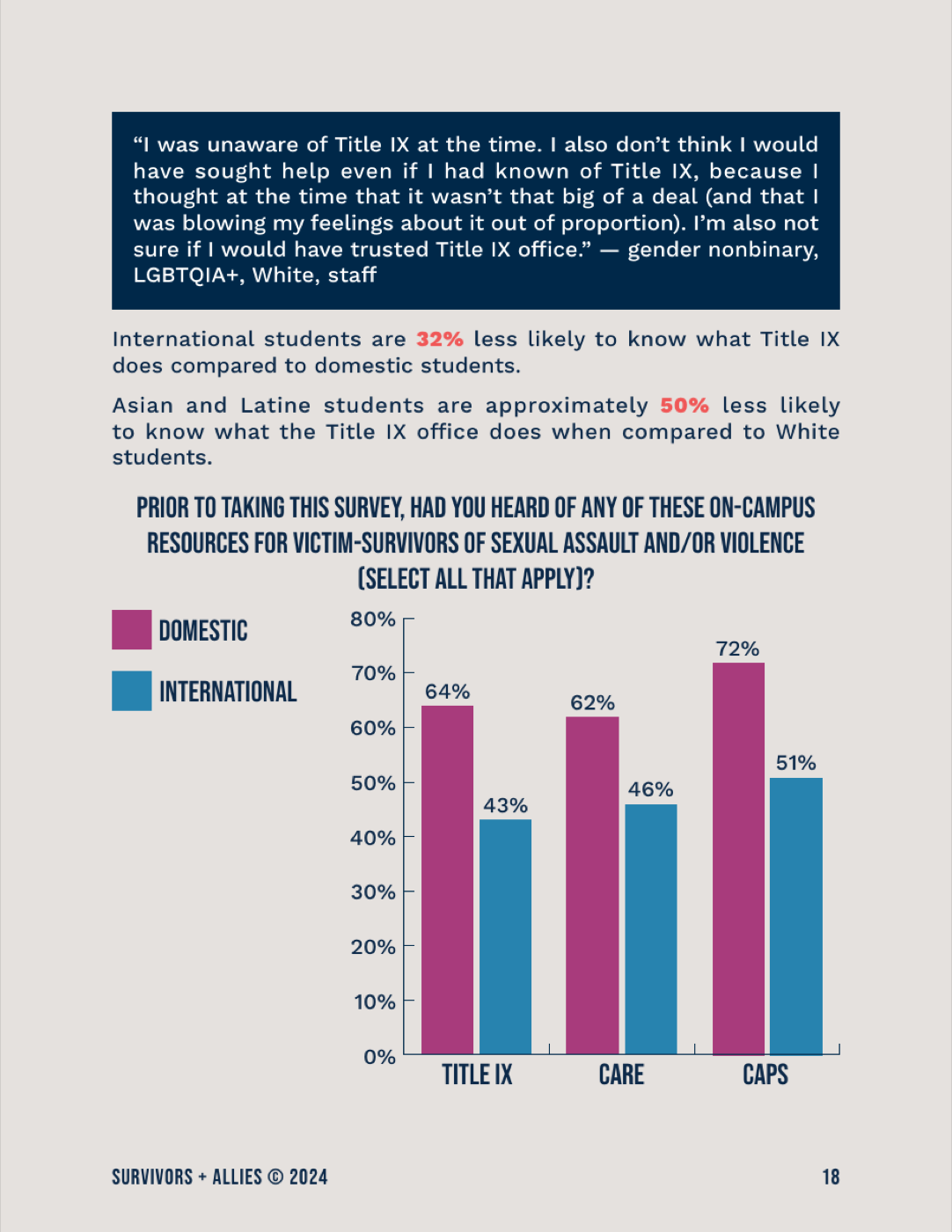
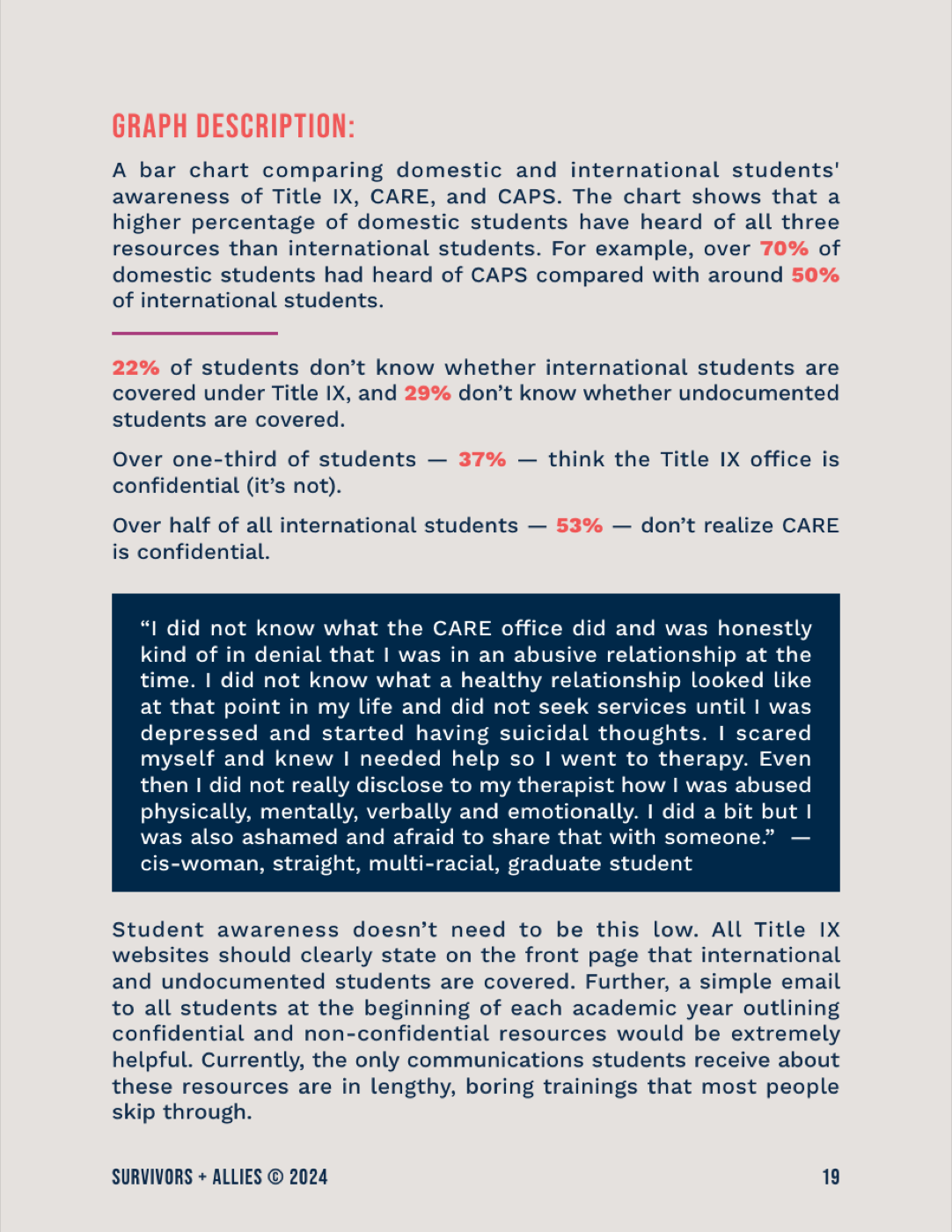
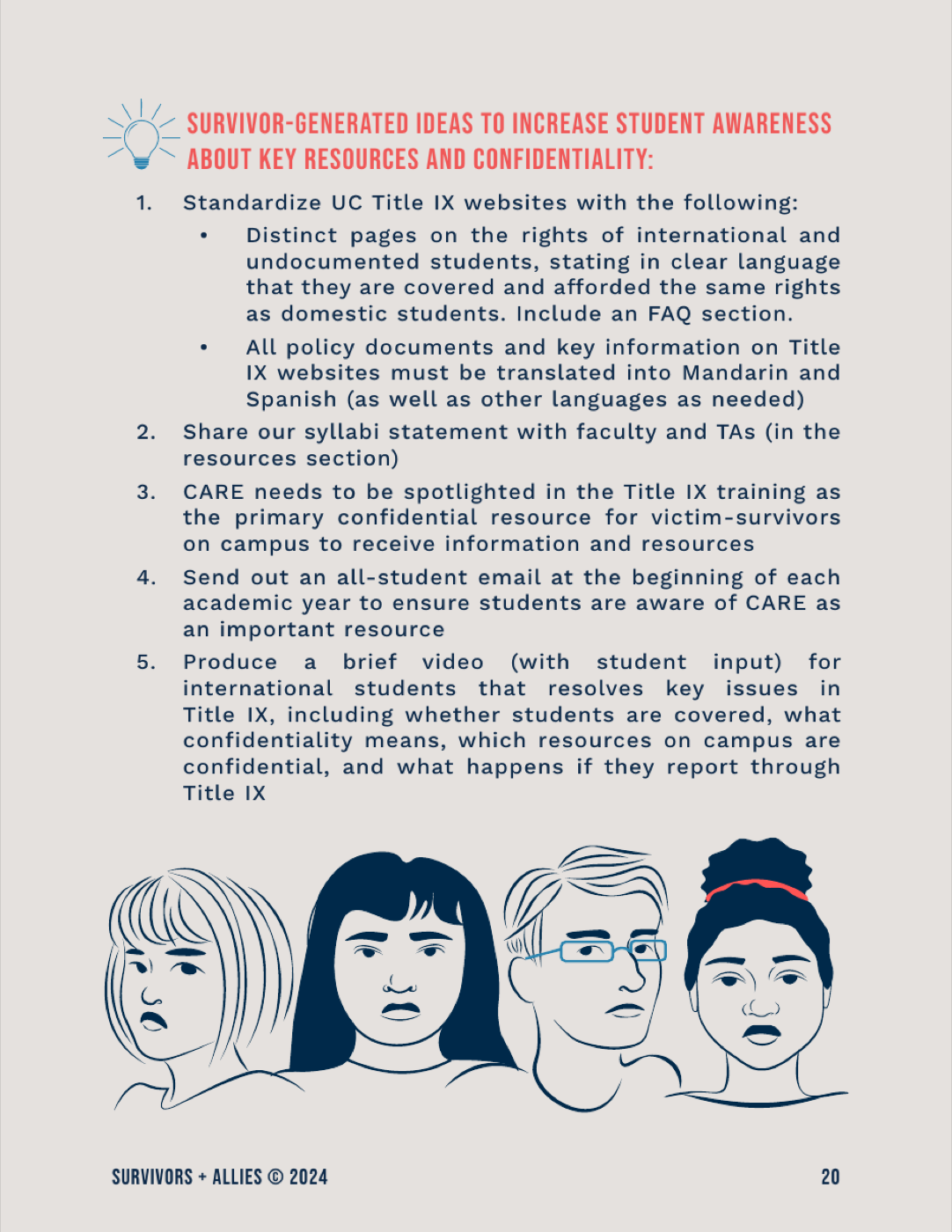
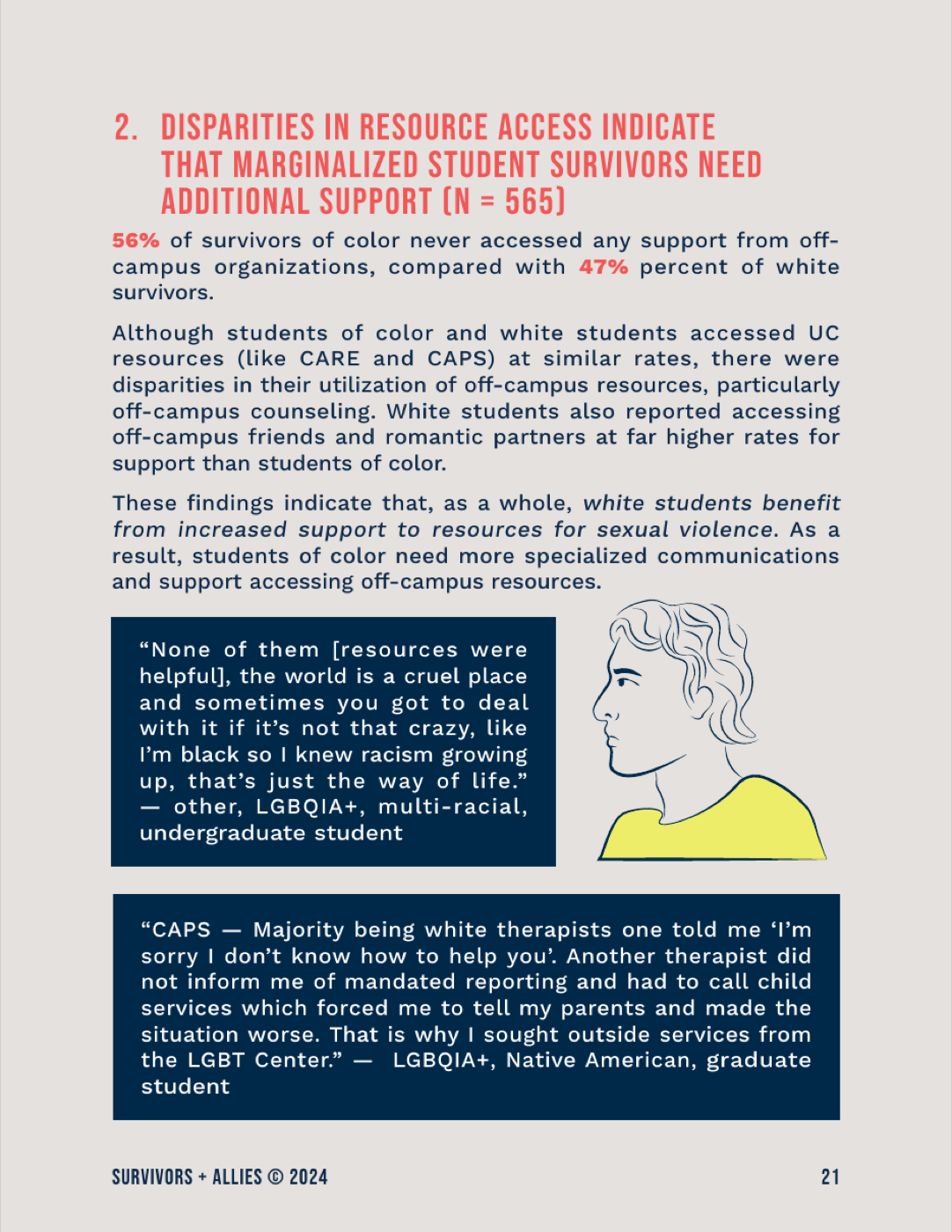
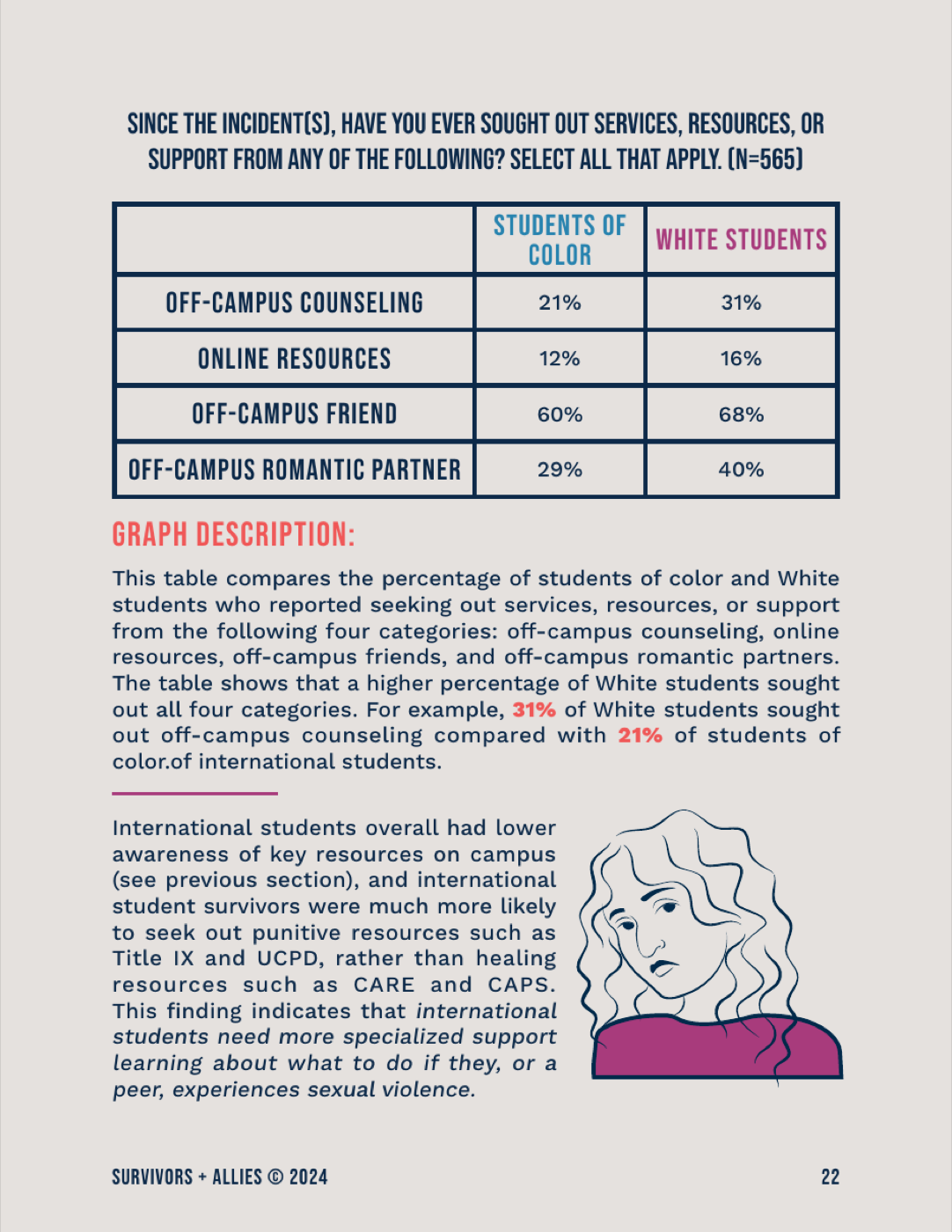
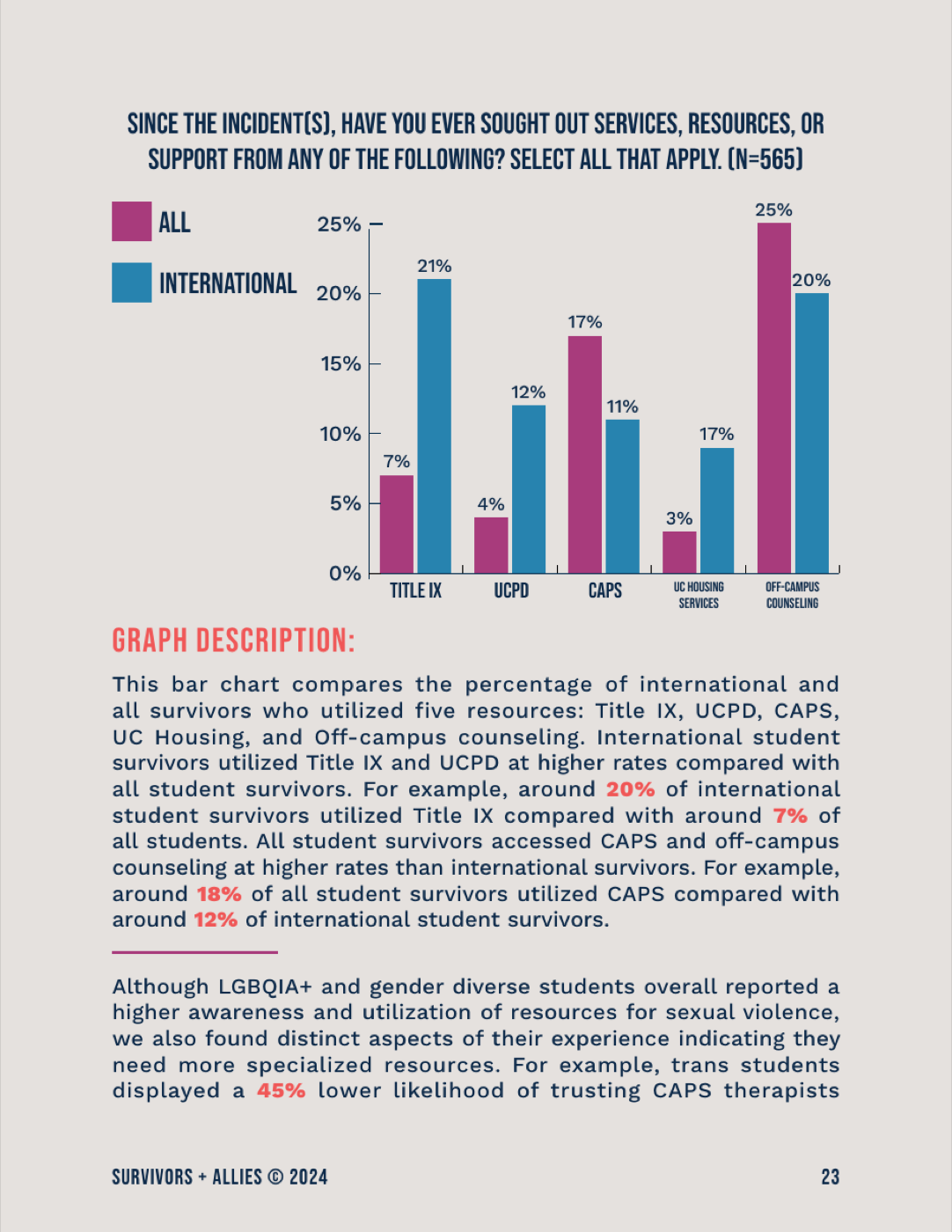
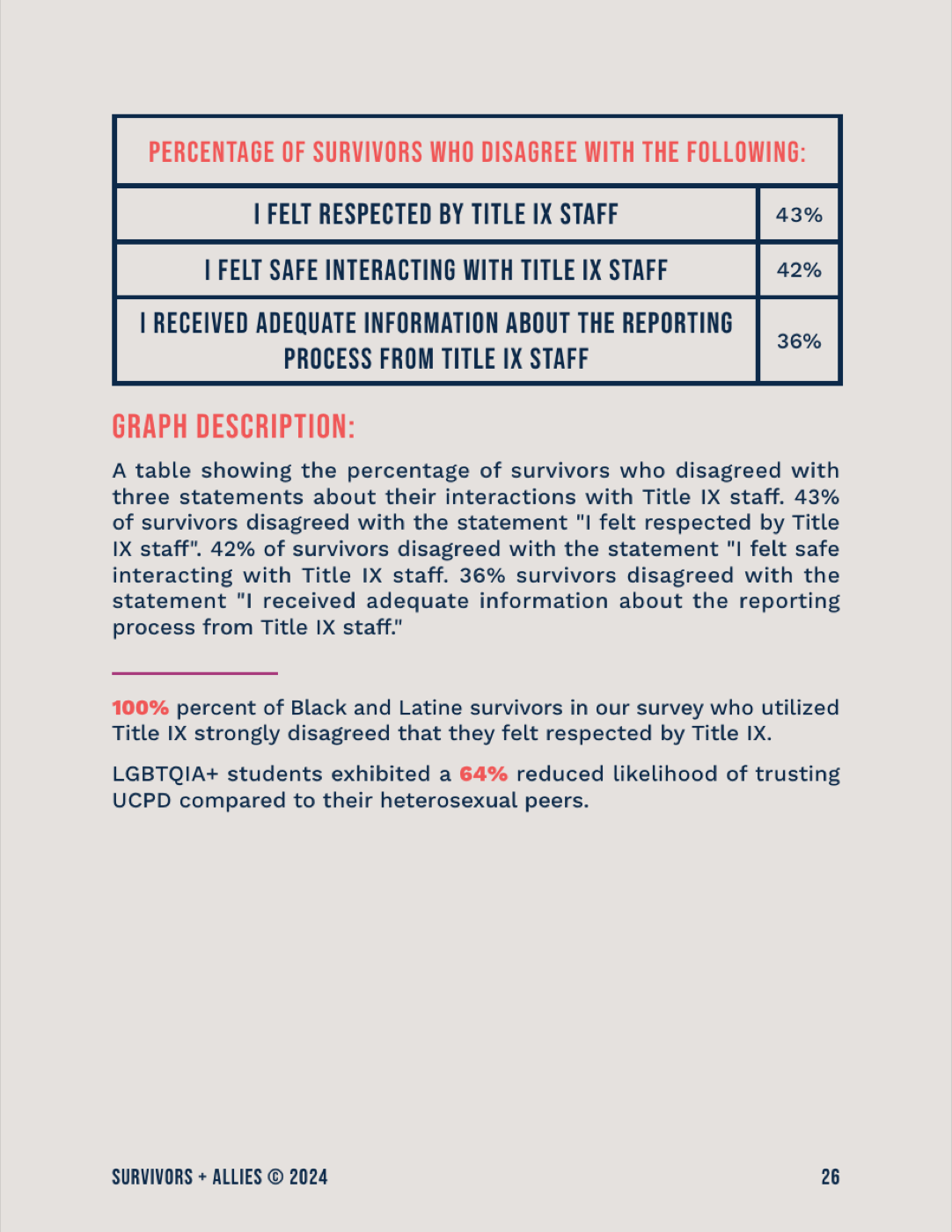
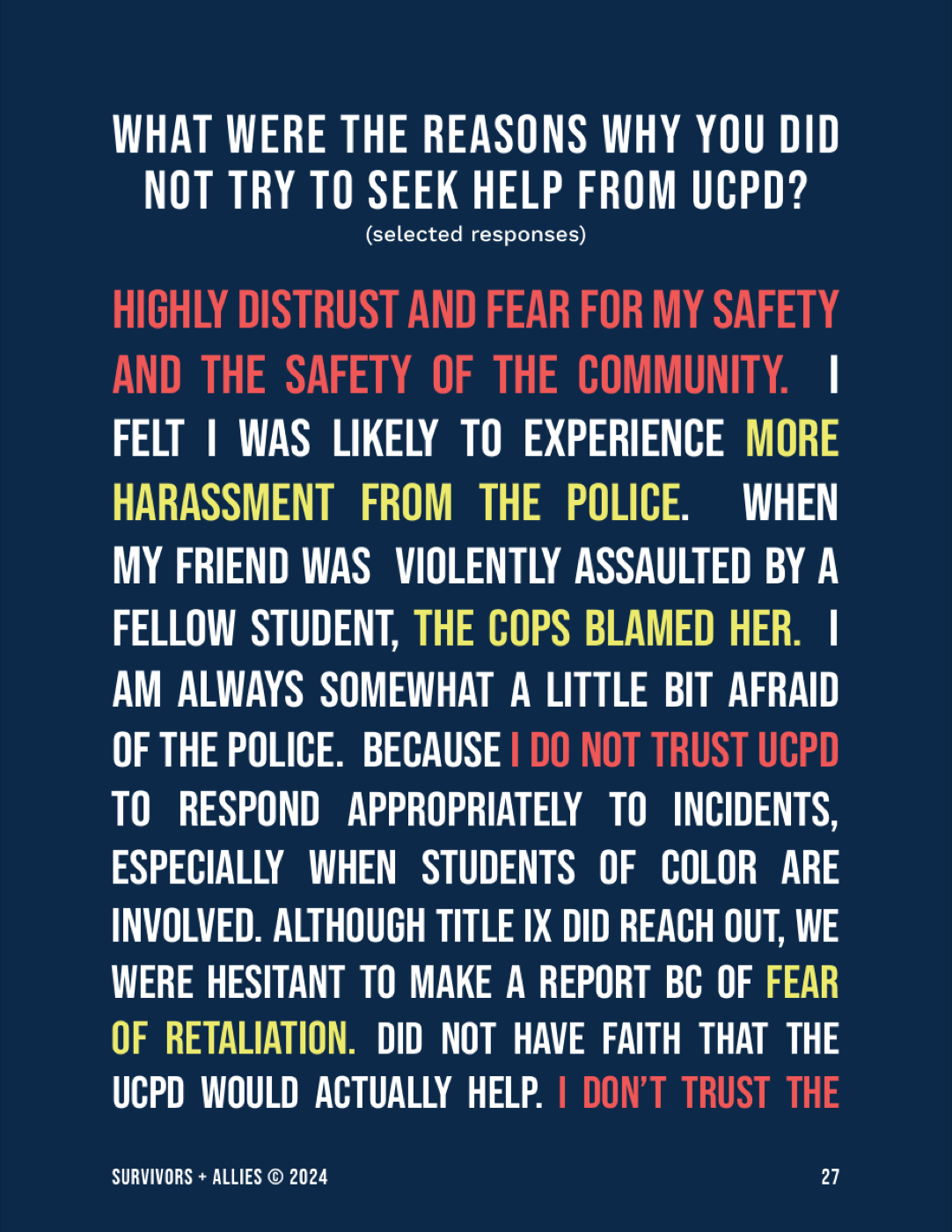
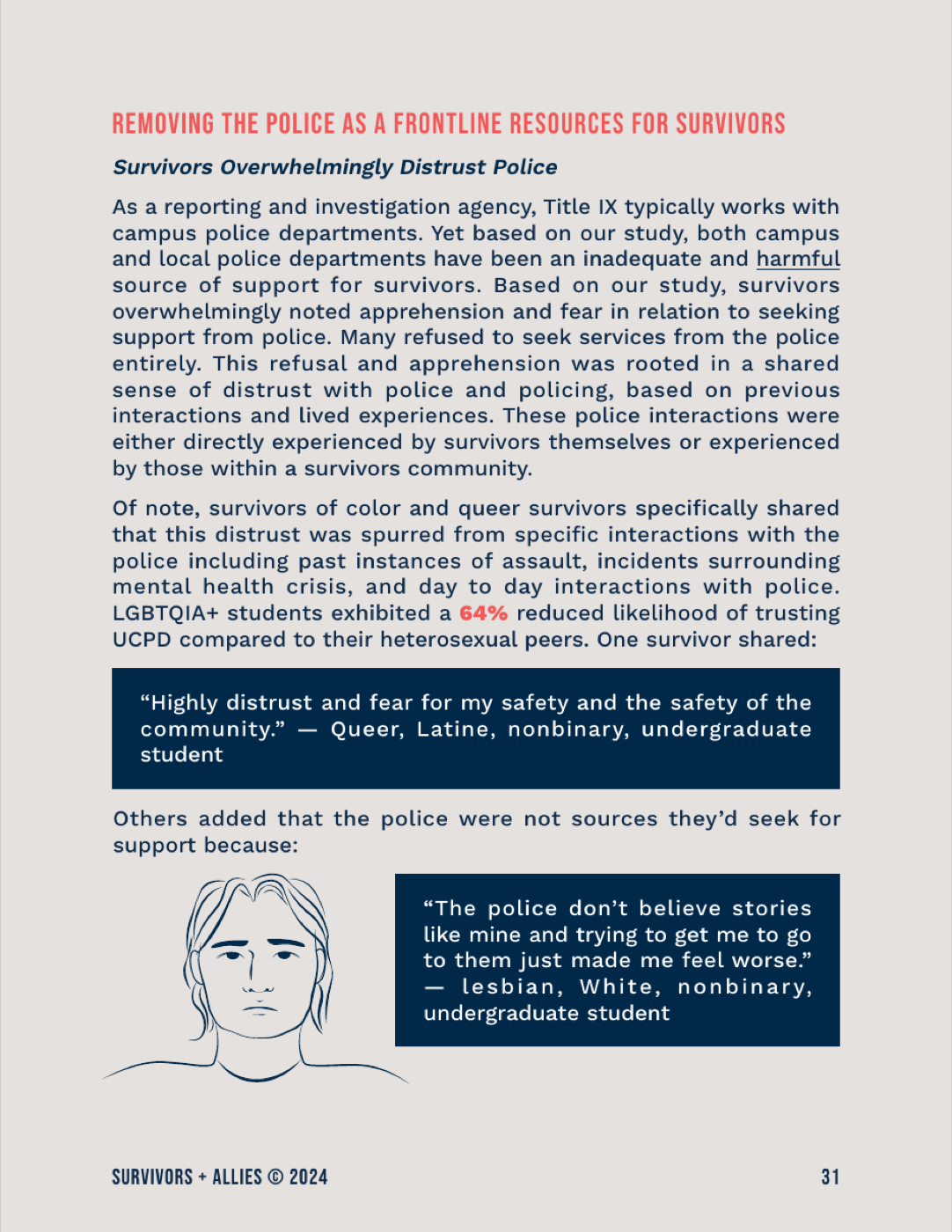
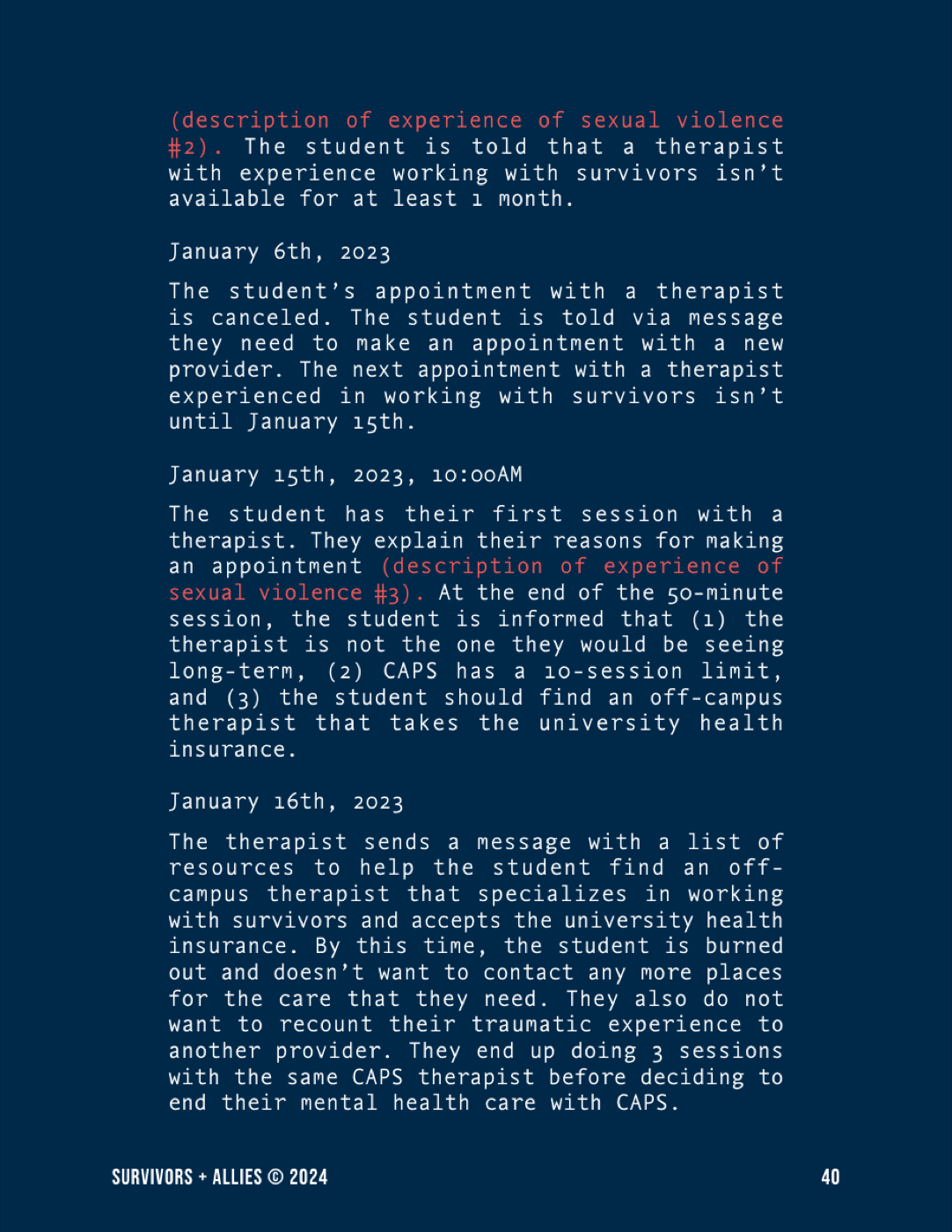
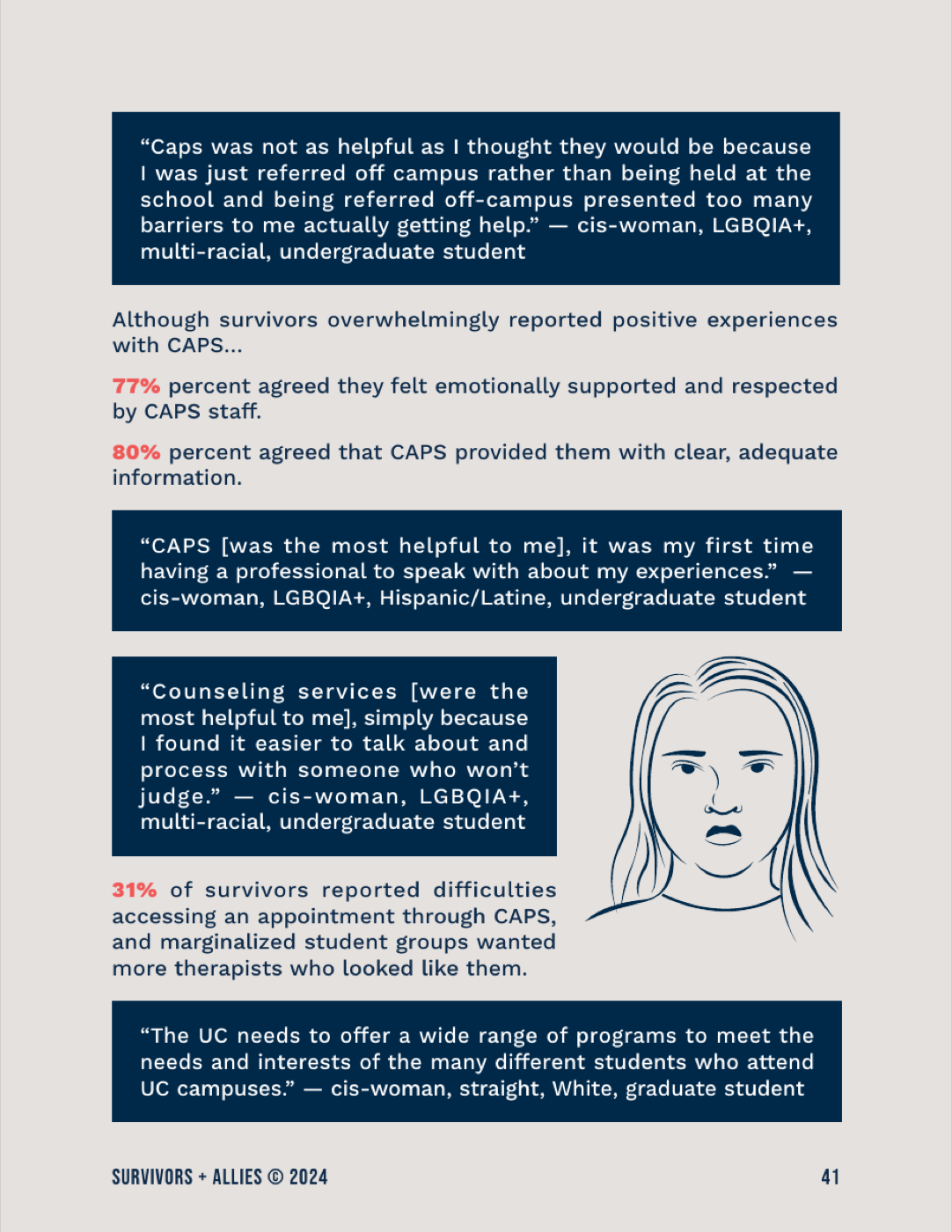
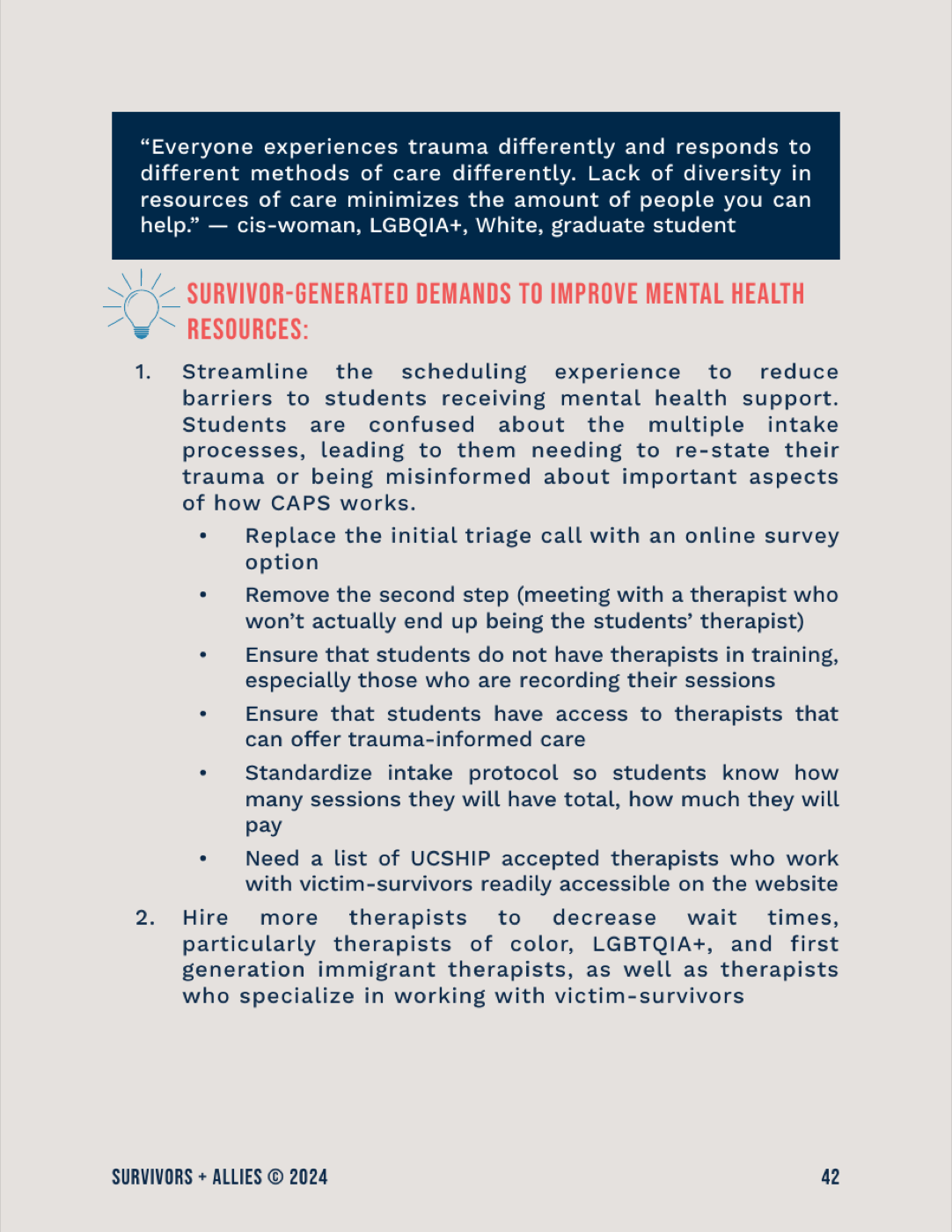
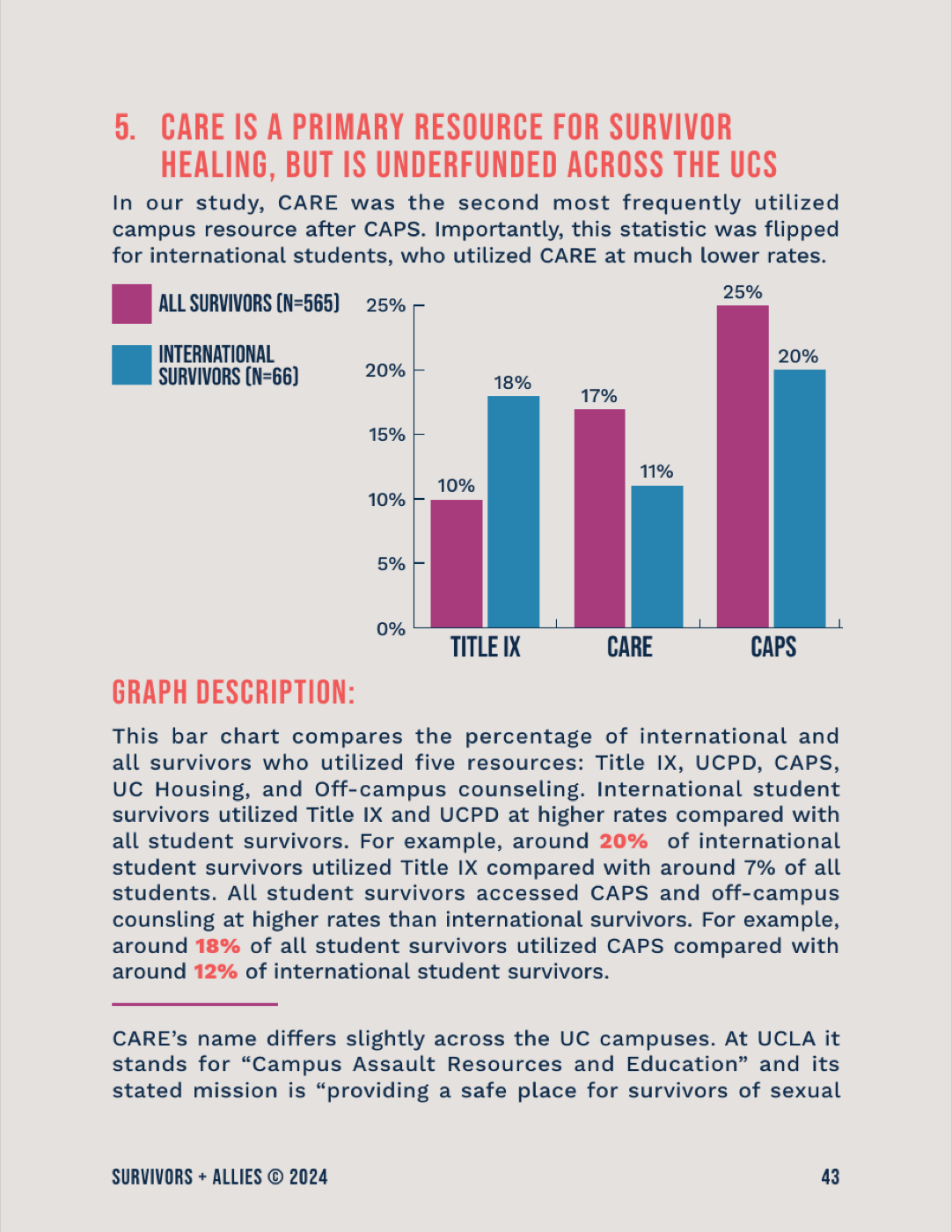
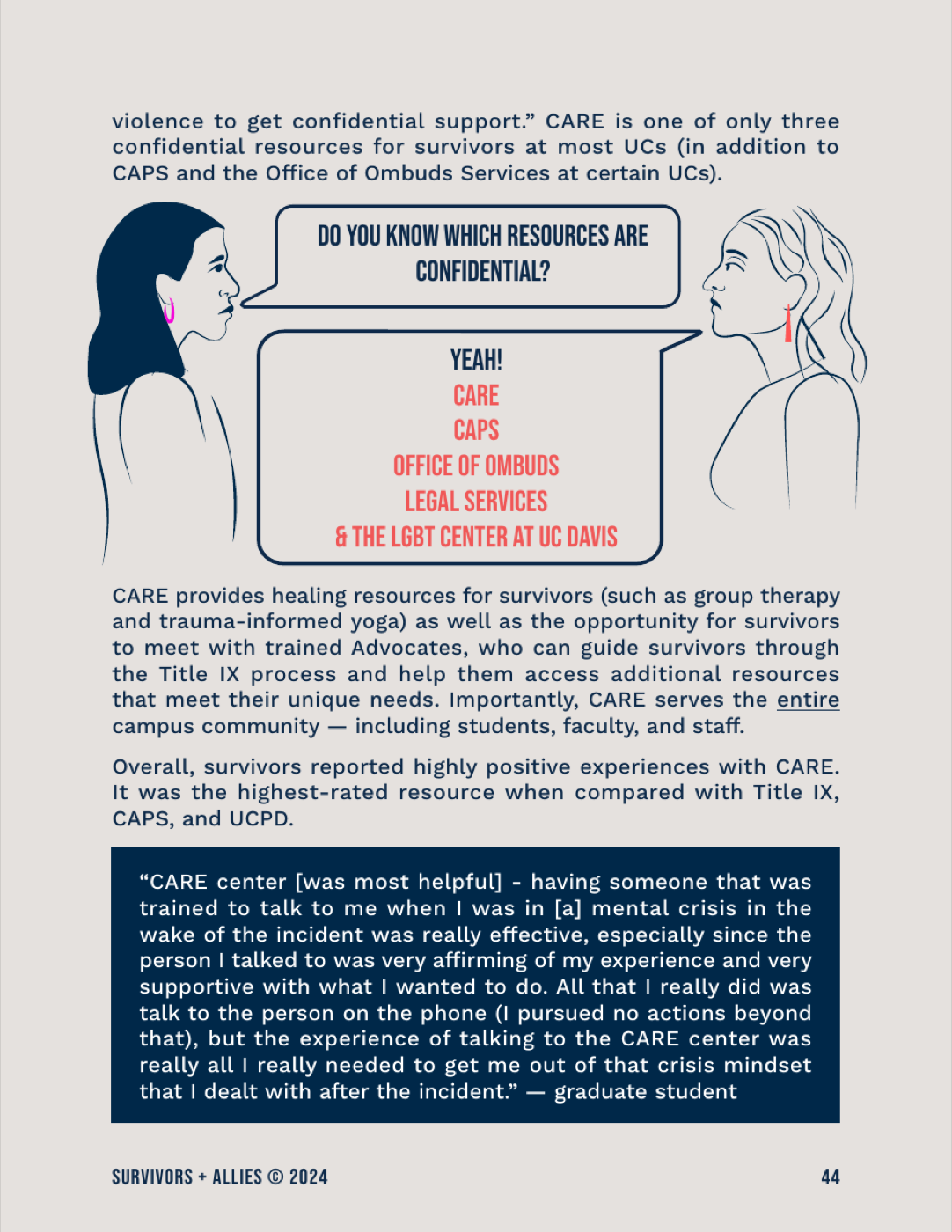
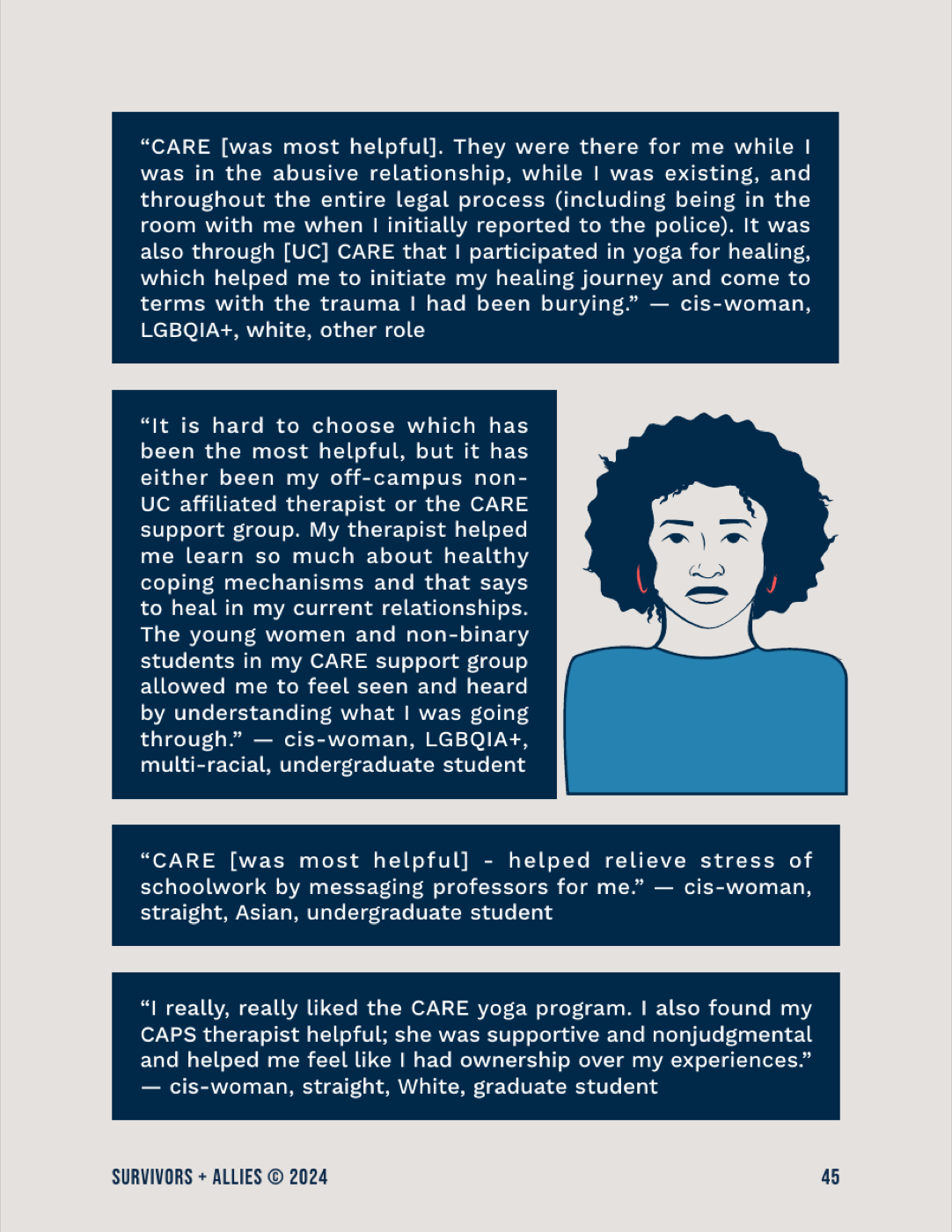
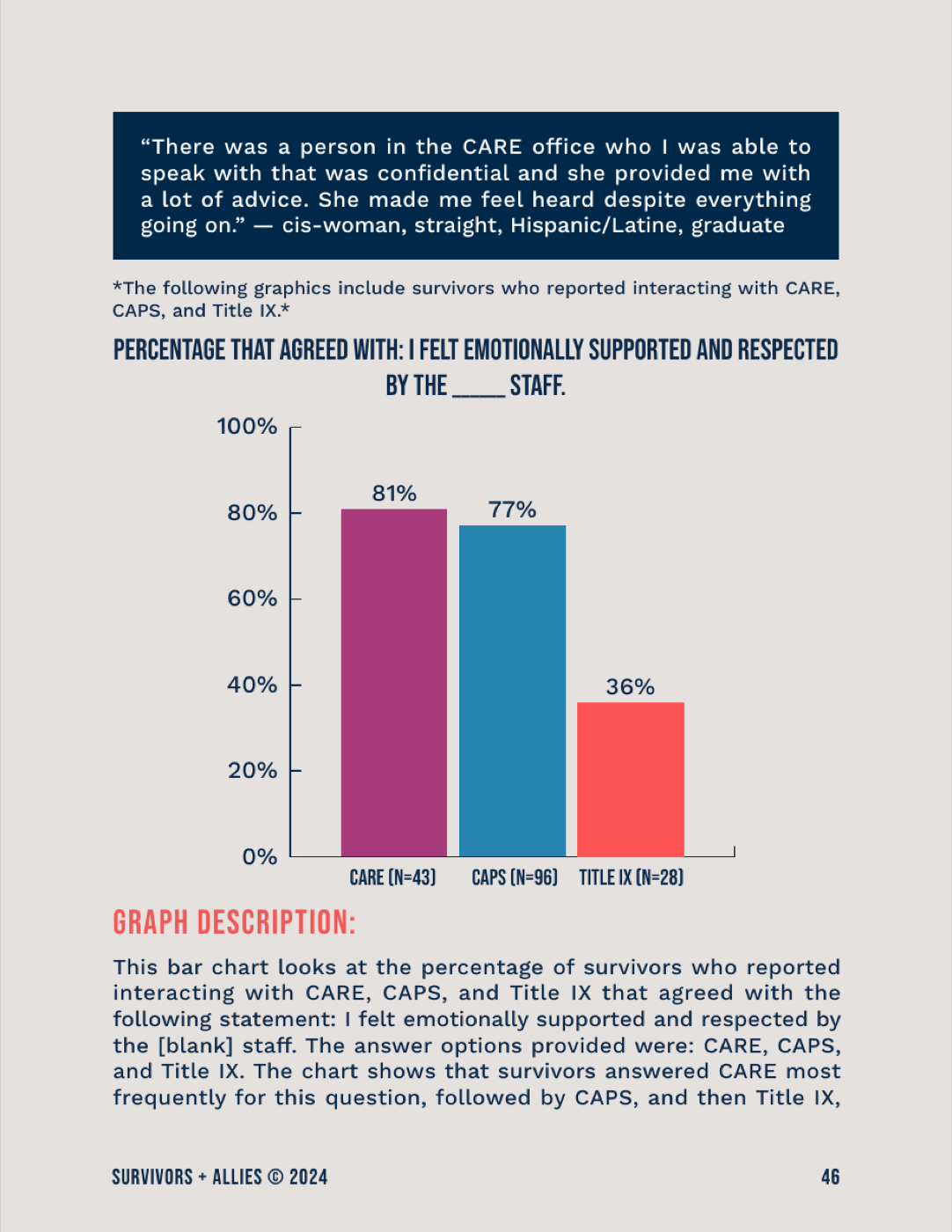
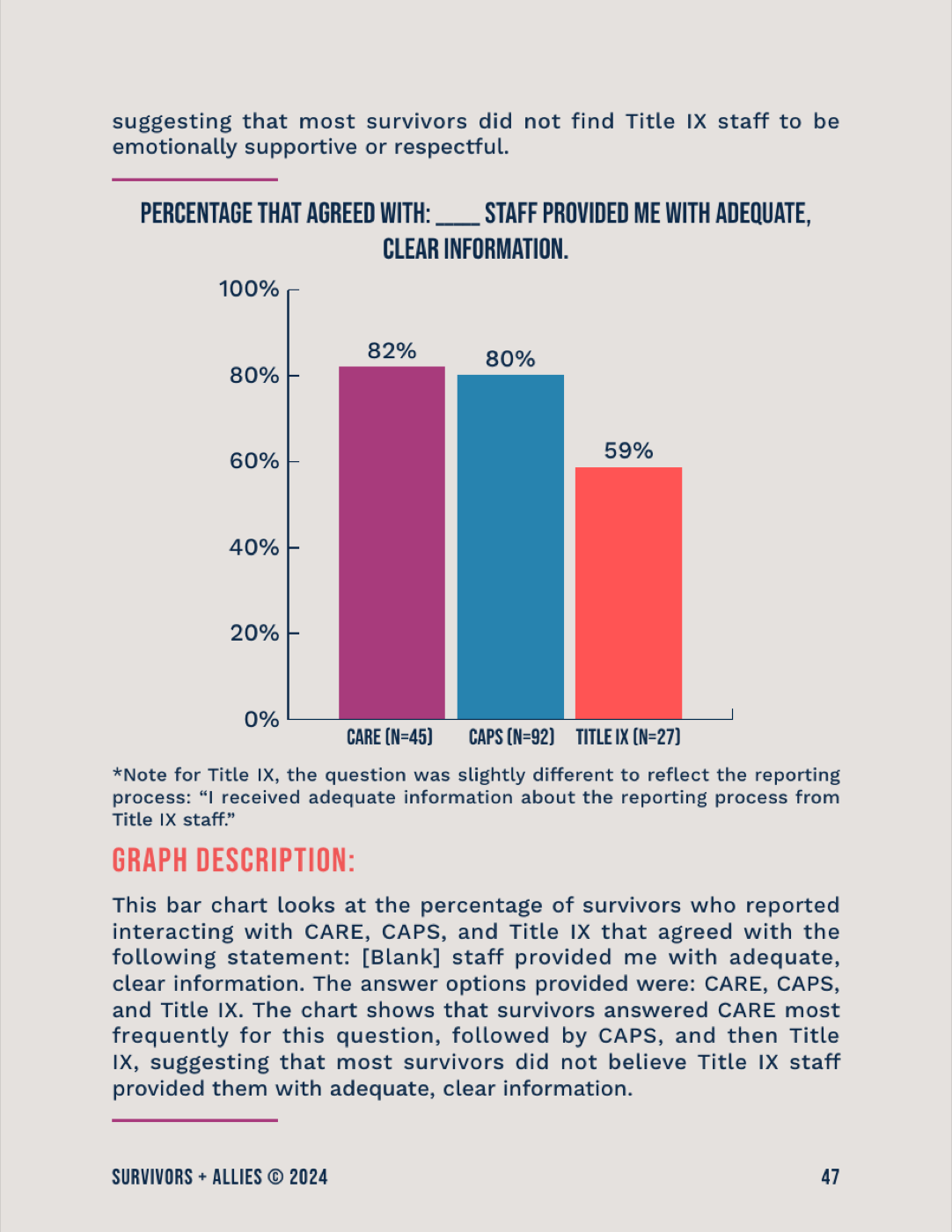
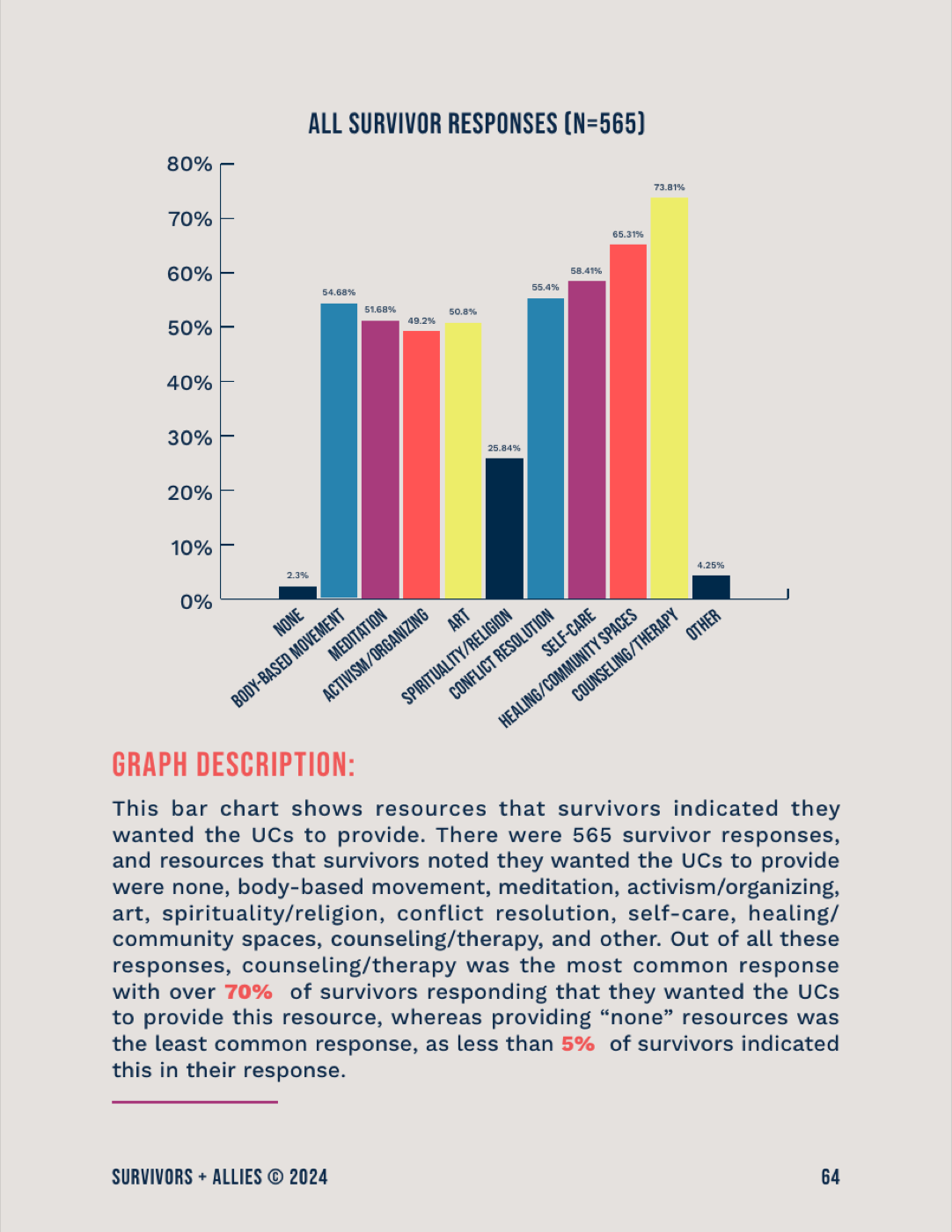
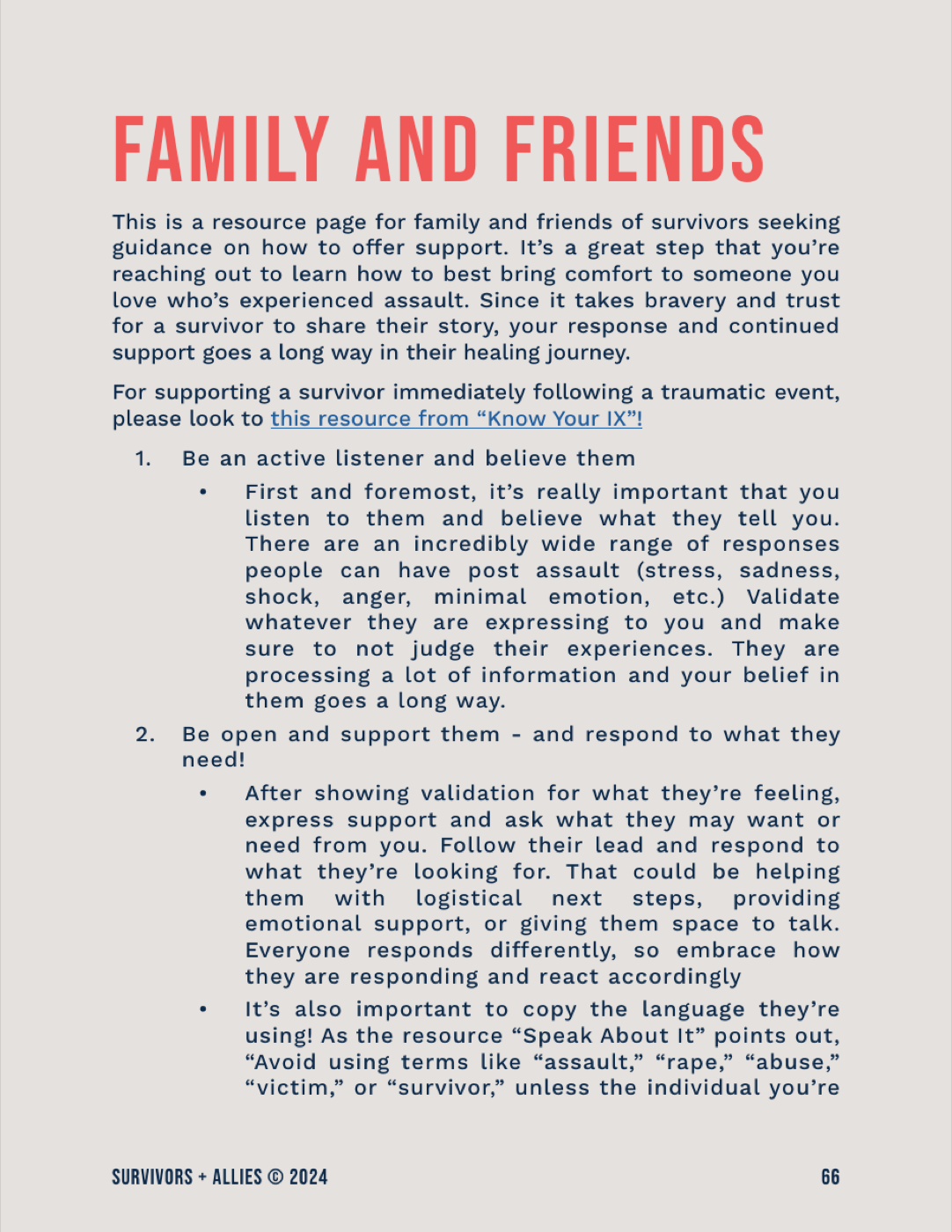
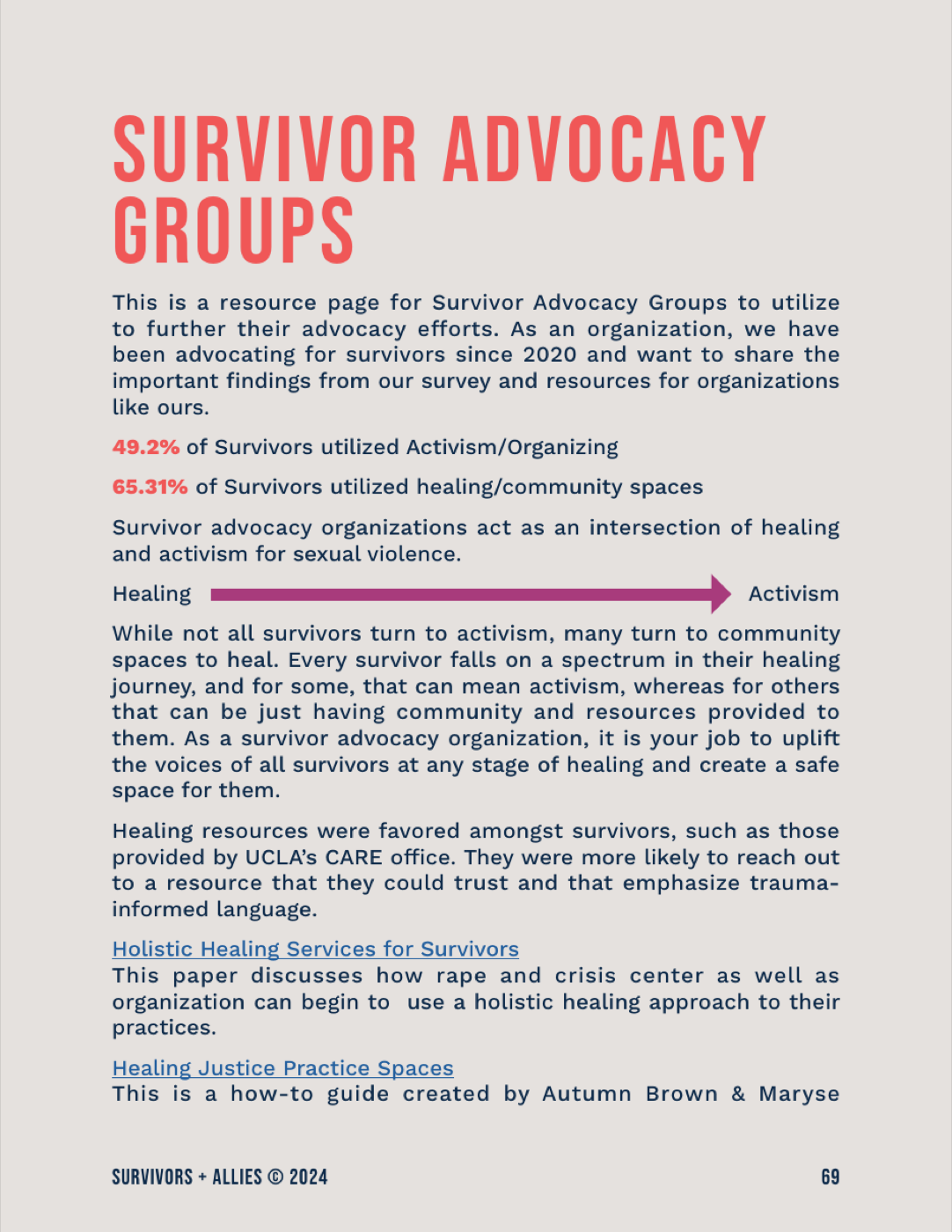
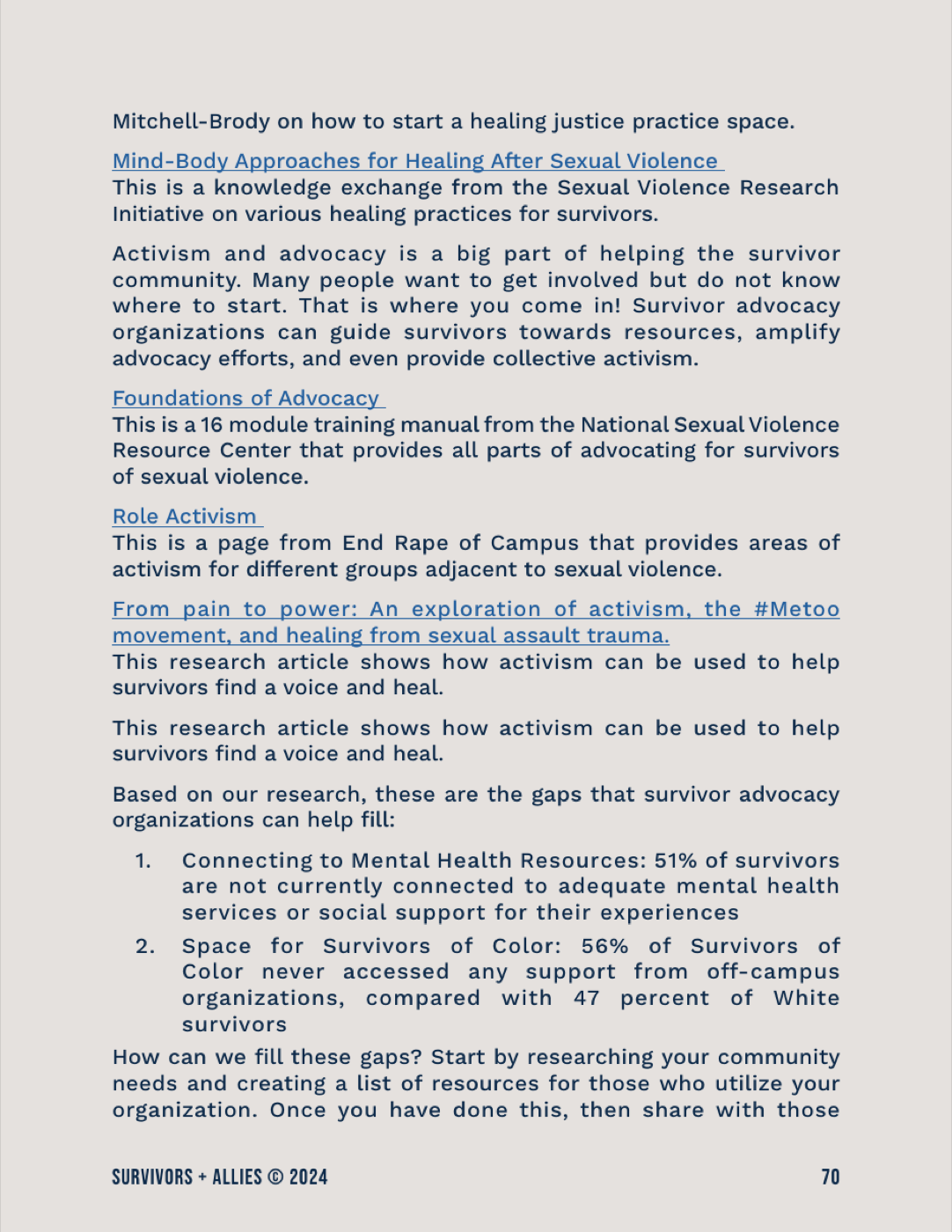
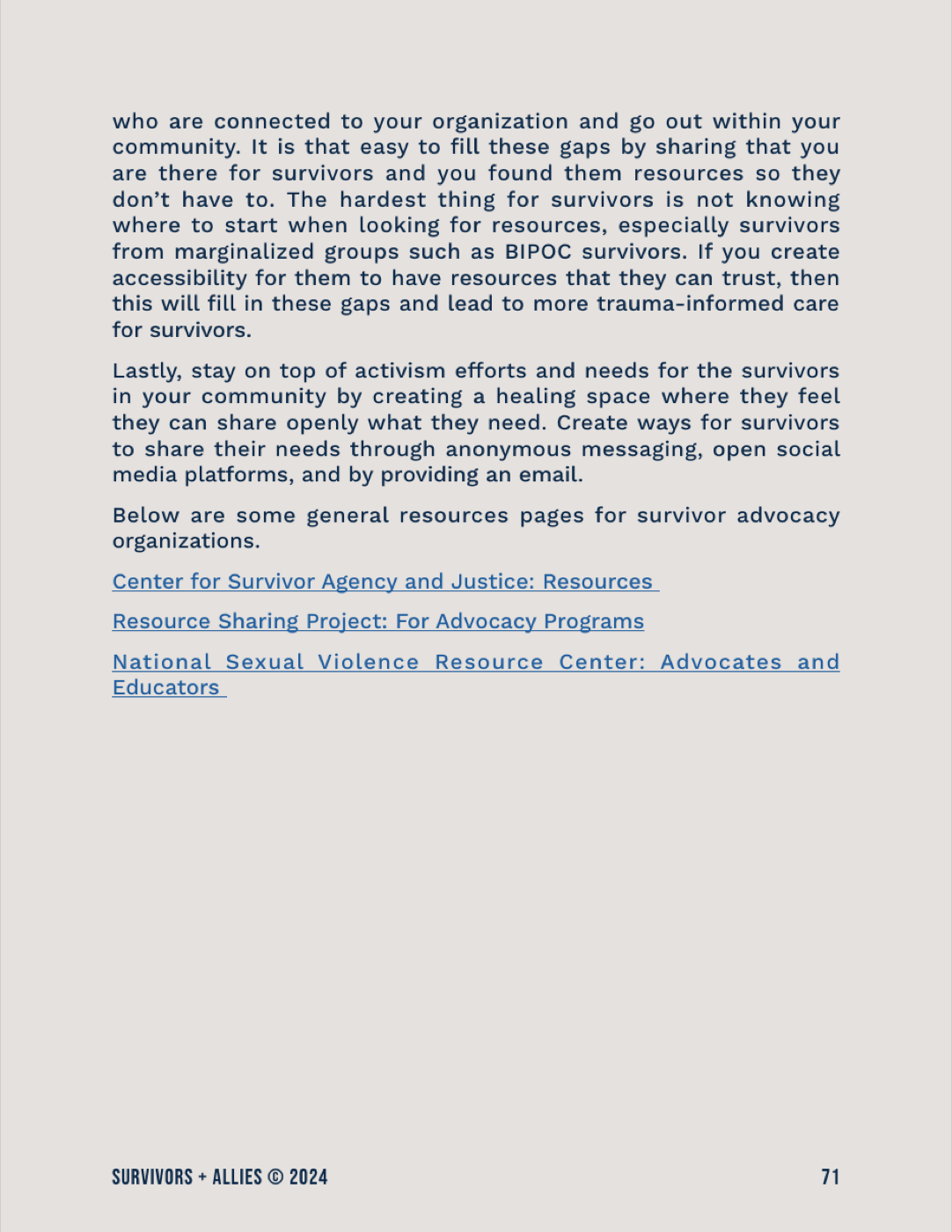
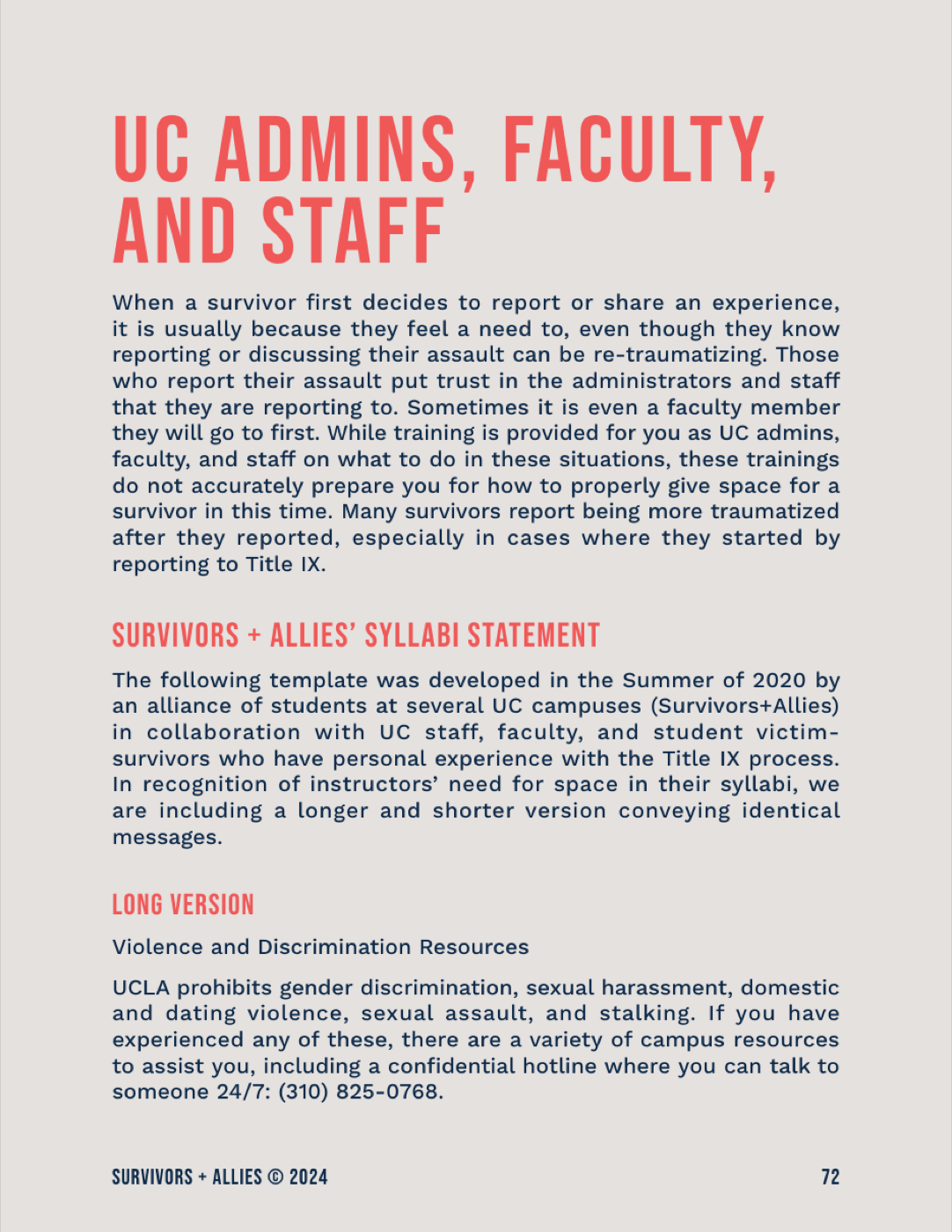
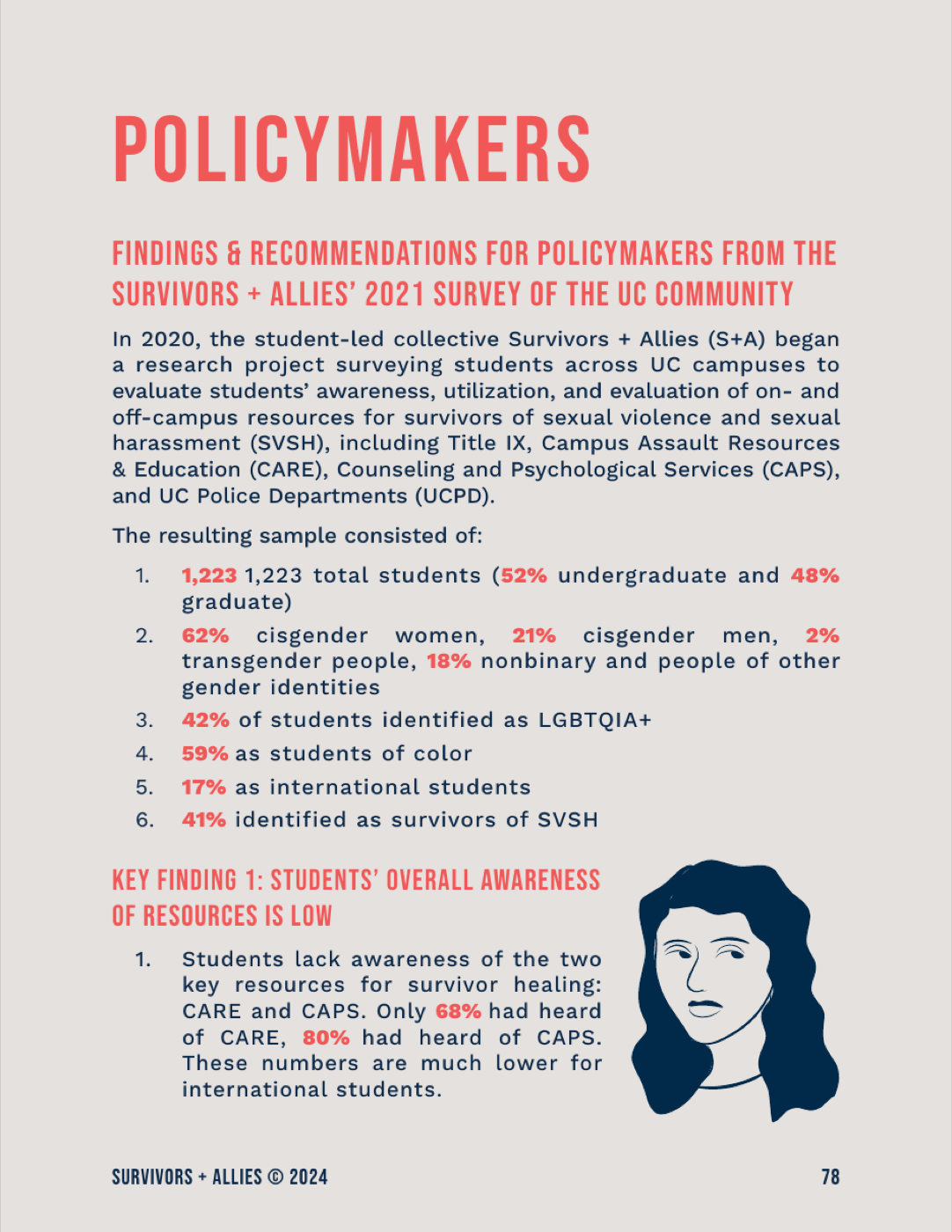
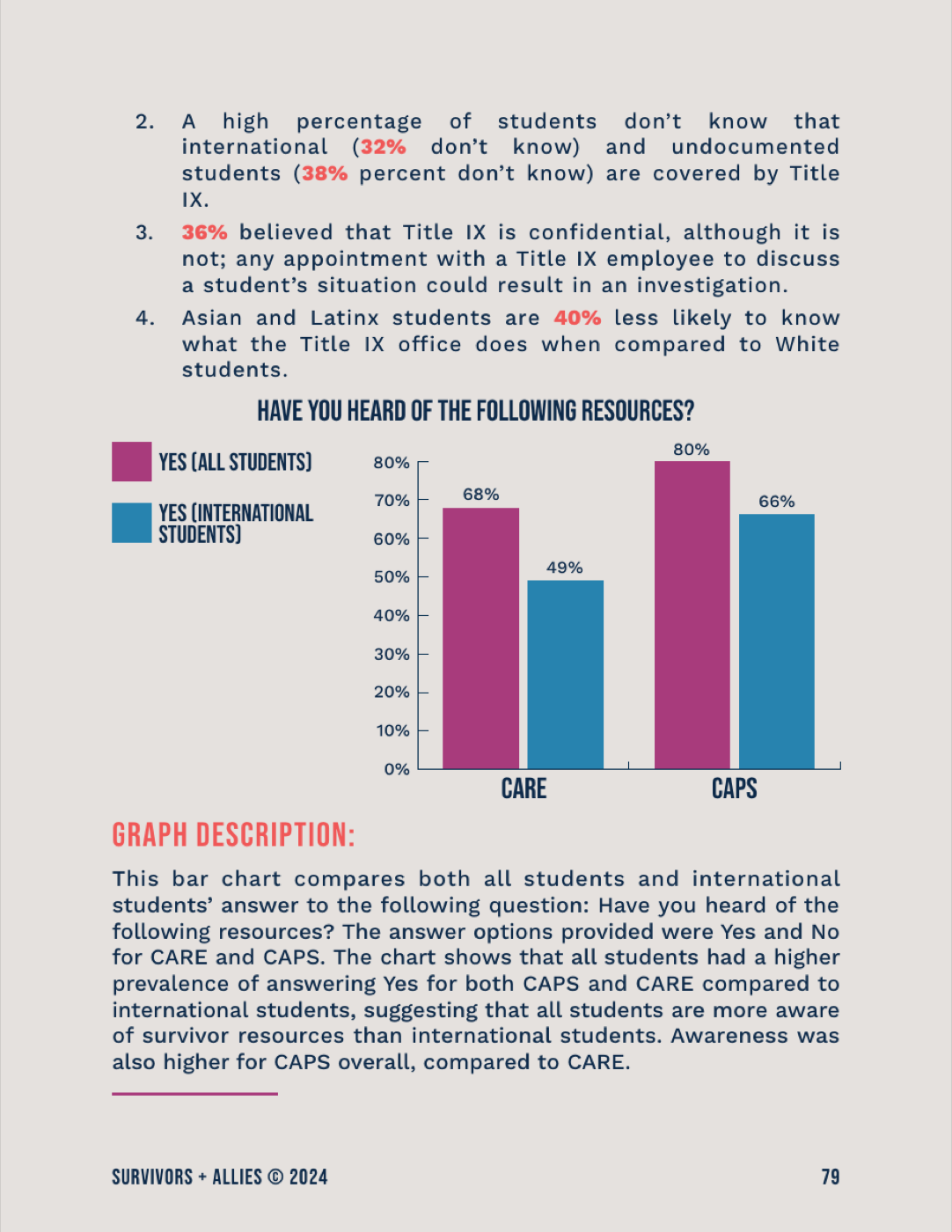
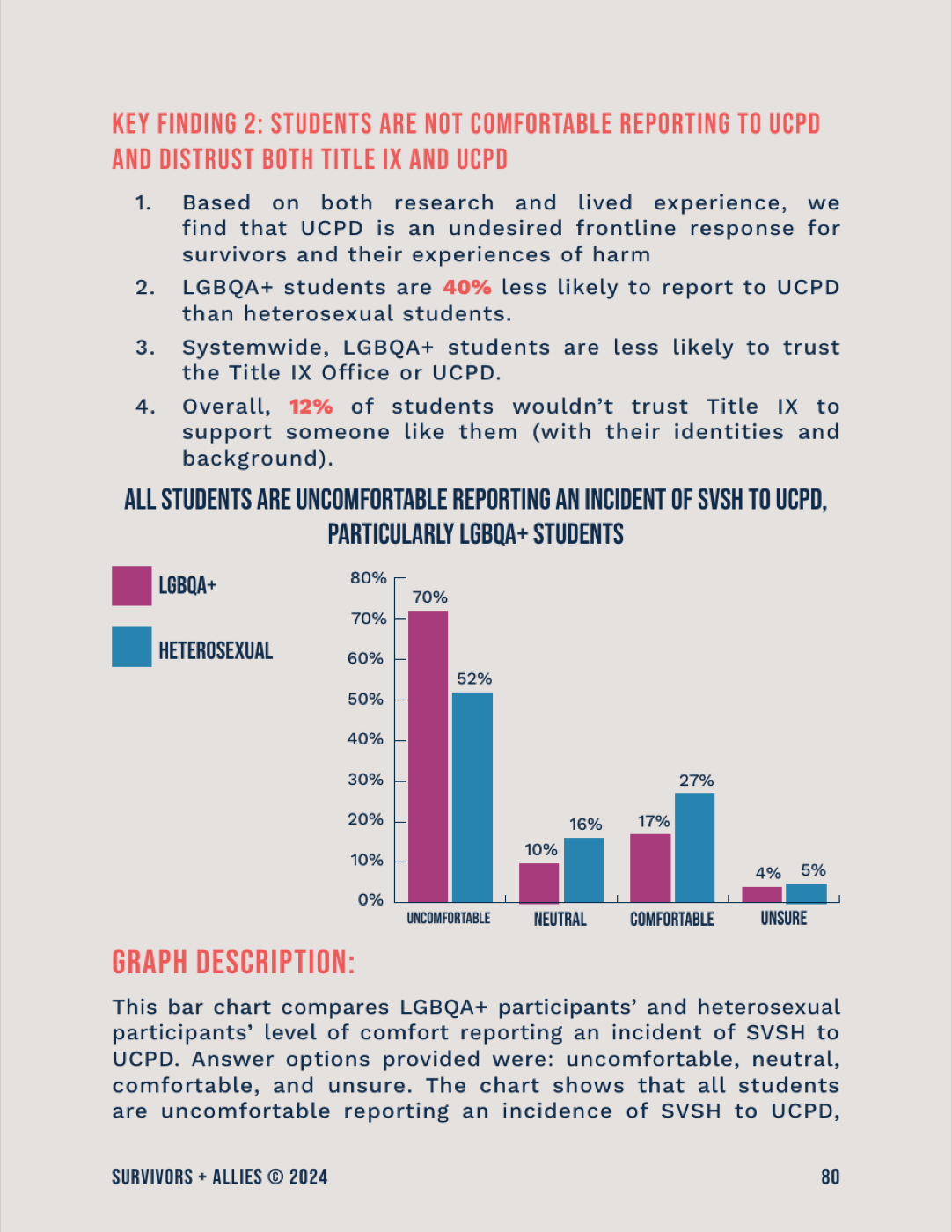
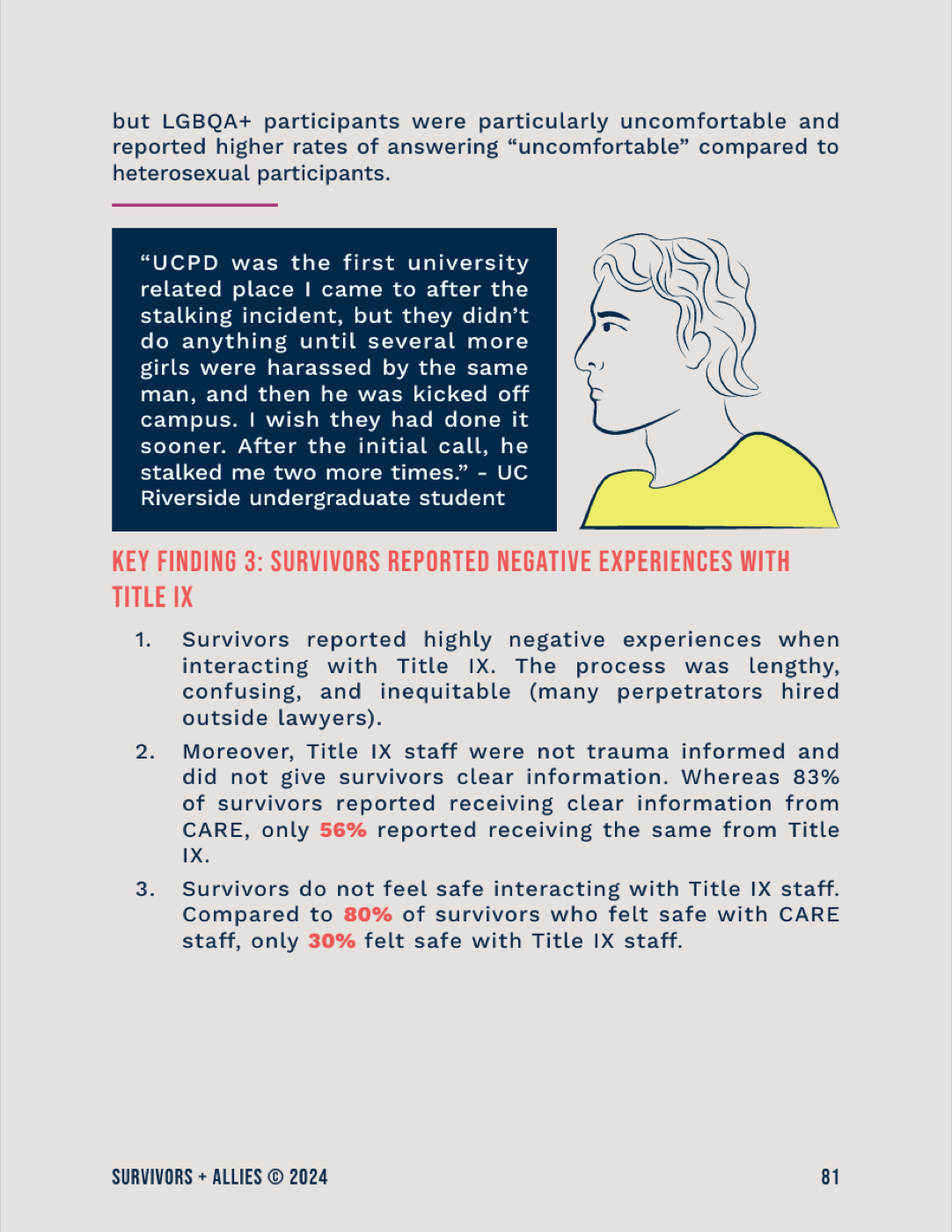
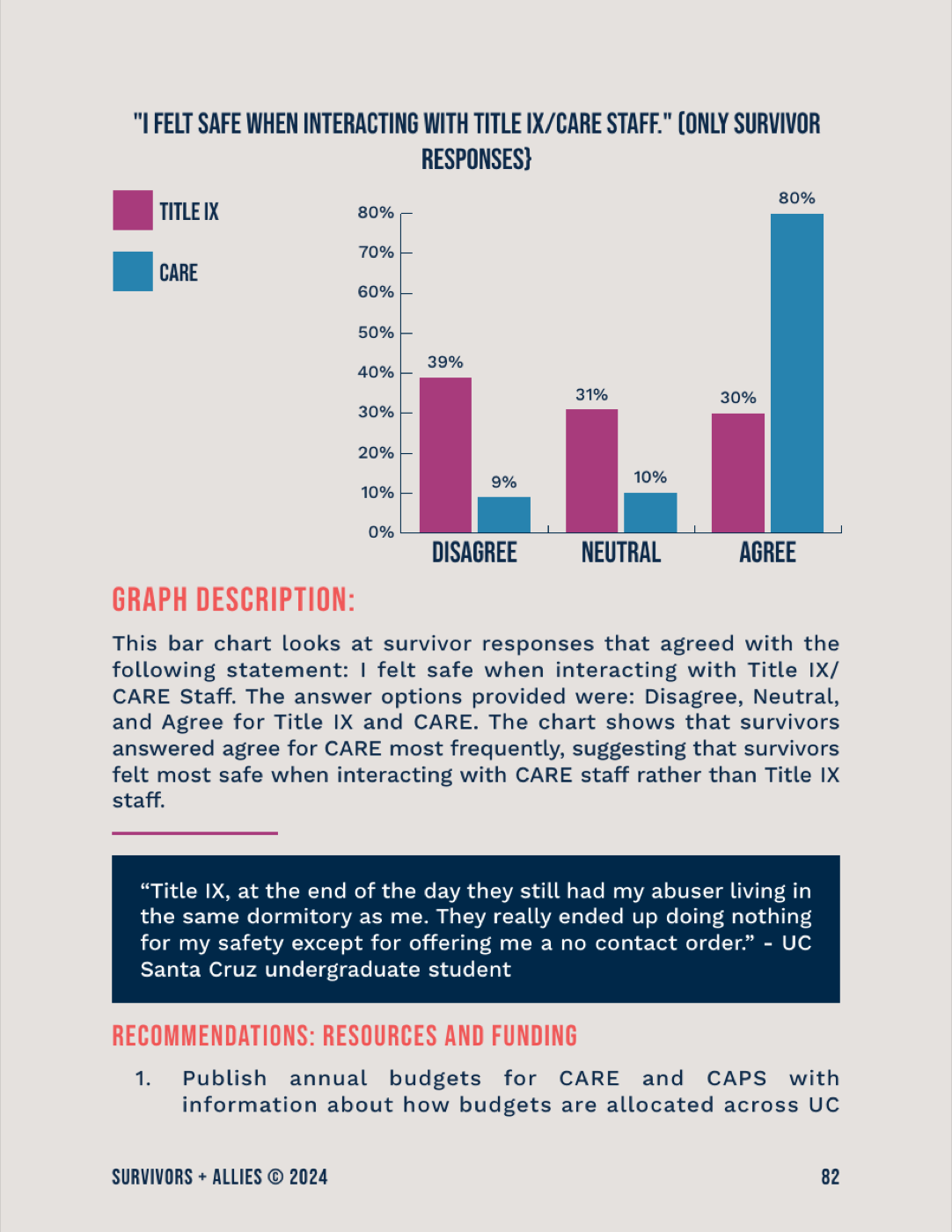
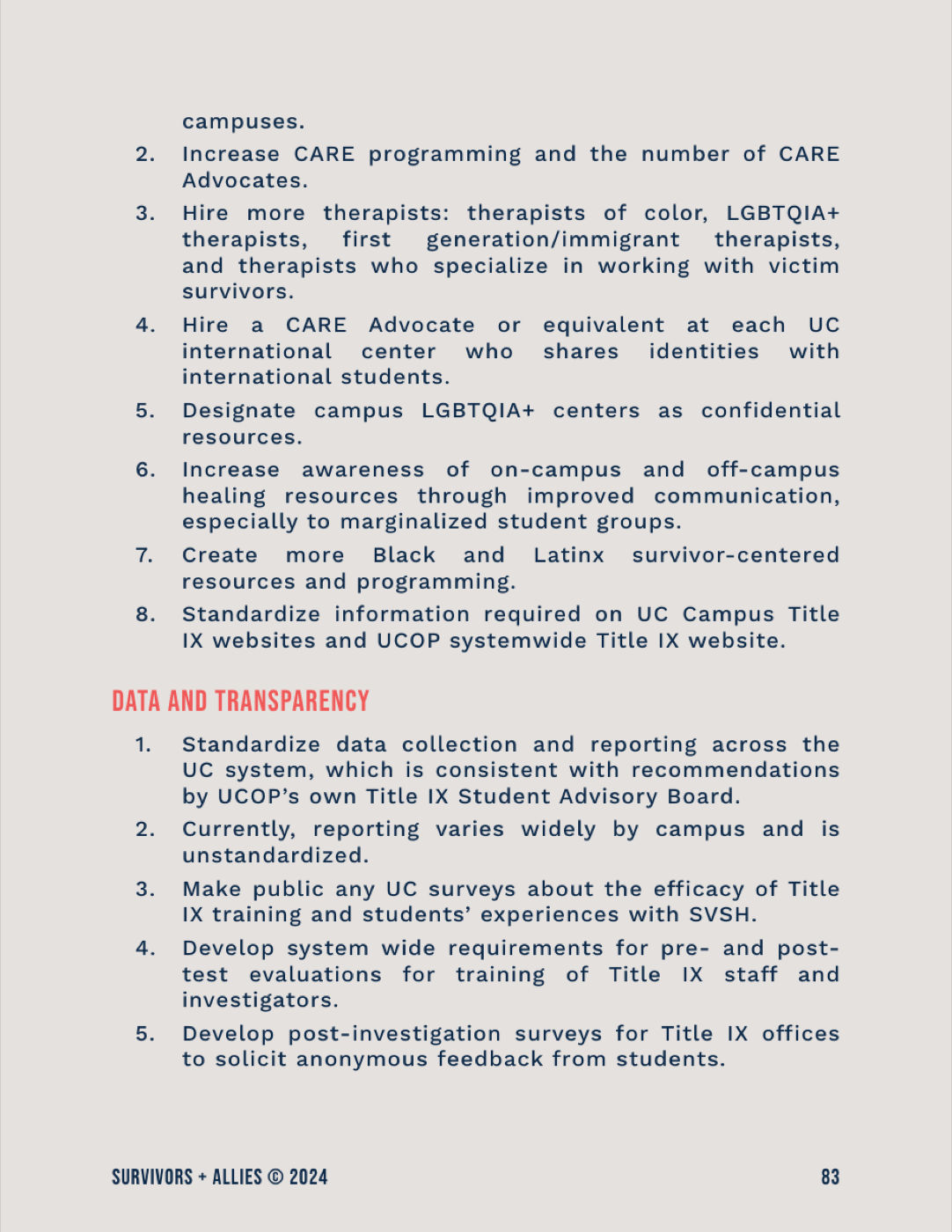
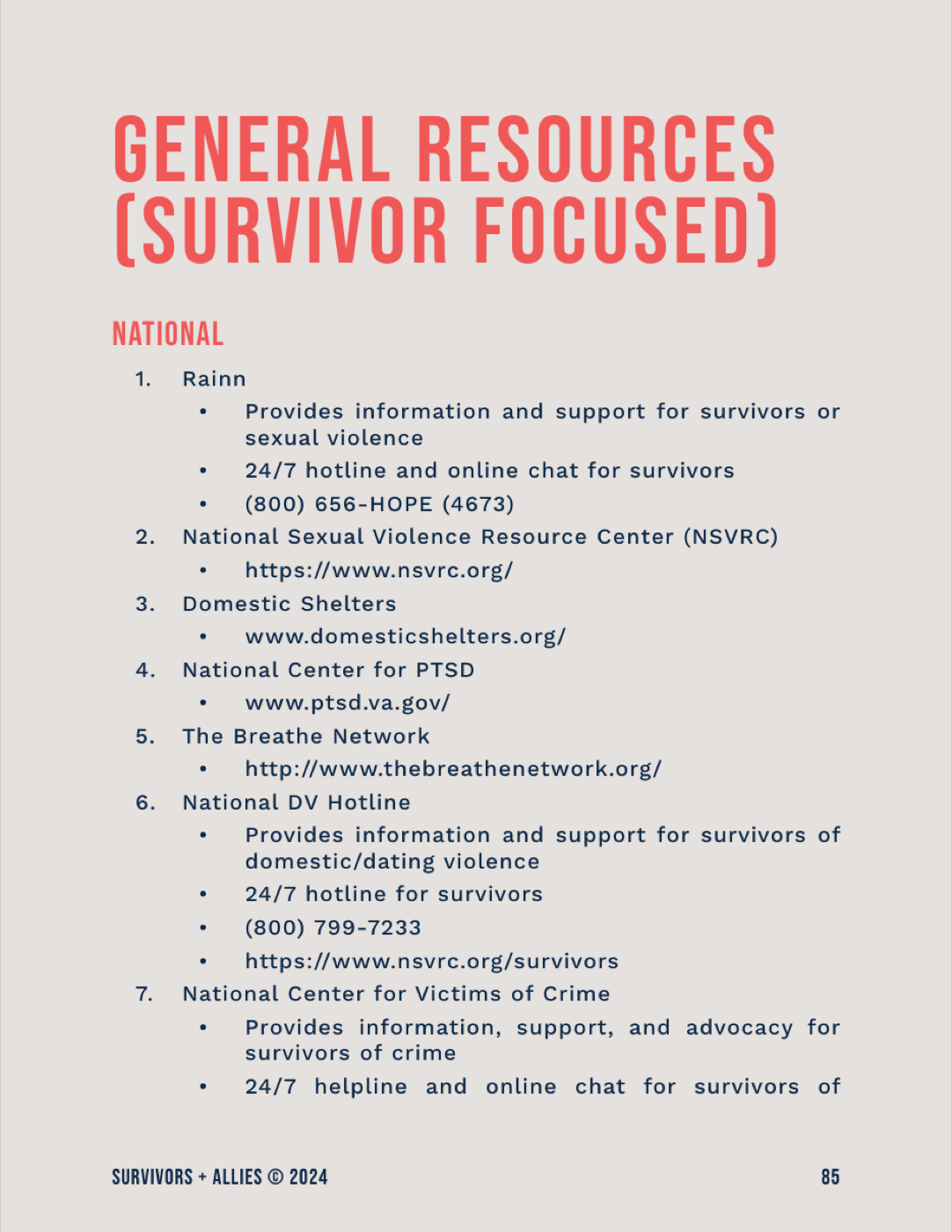
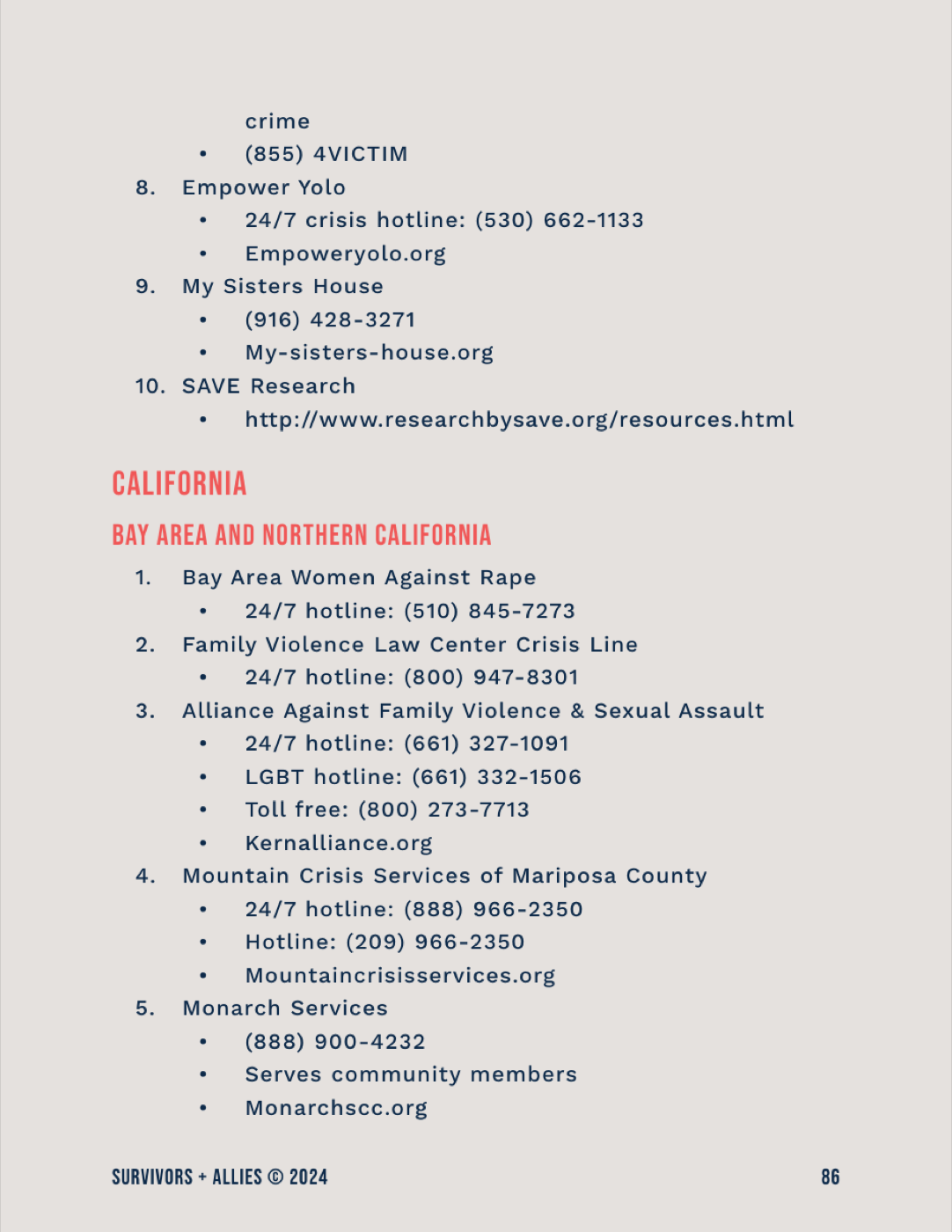
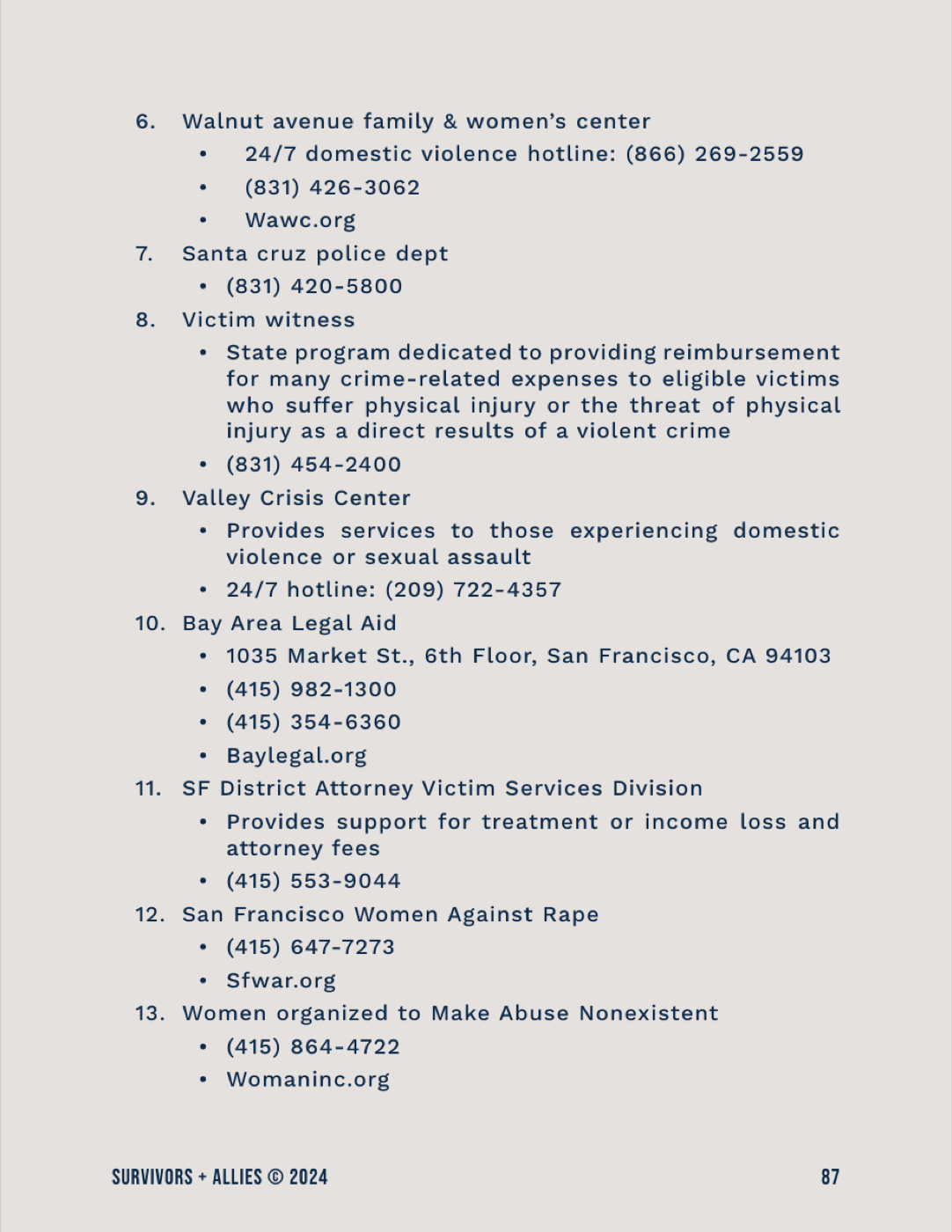
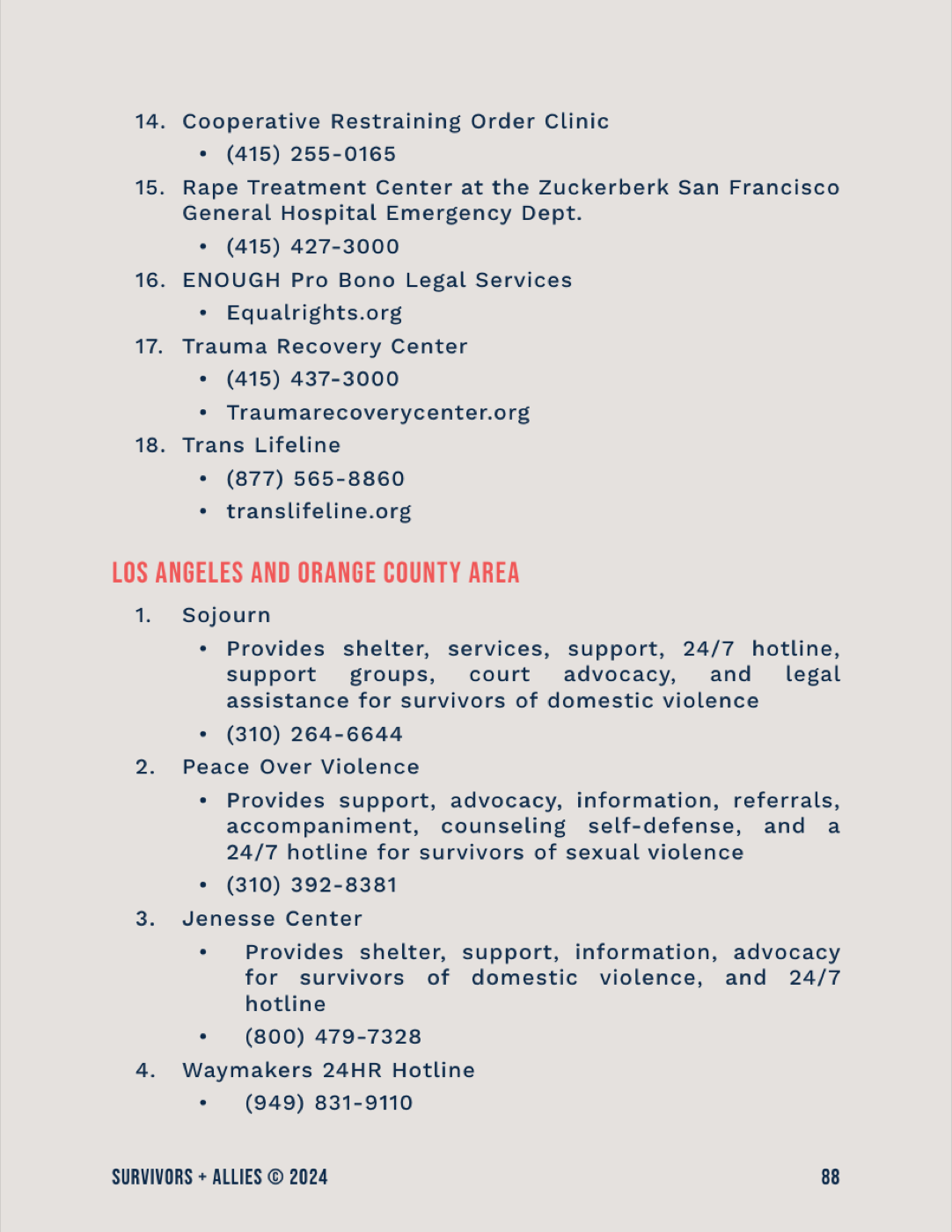
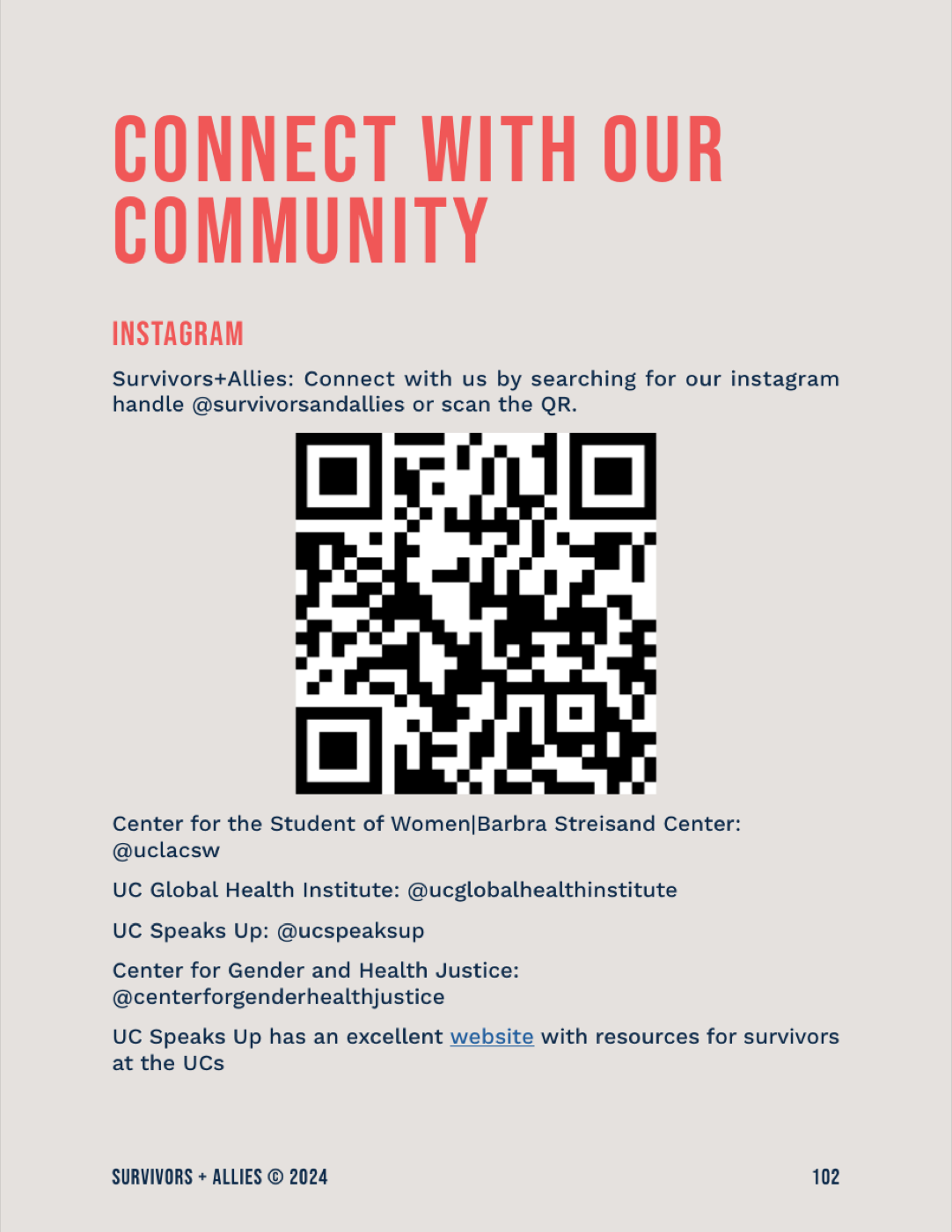
As a member of the Survivors + Allies, I joined this student-led work, written collectively, naming the changes the UC system has to make. Visit Survivors + Allies →
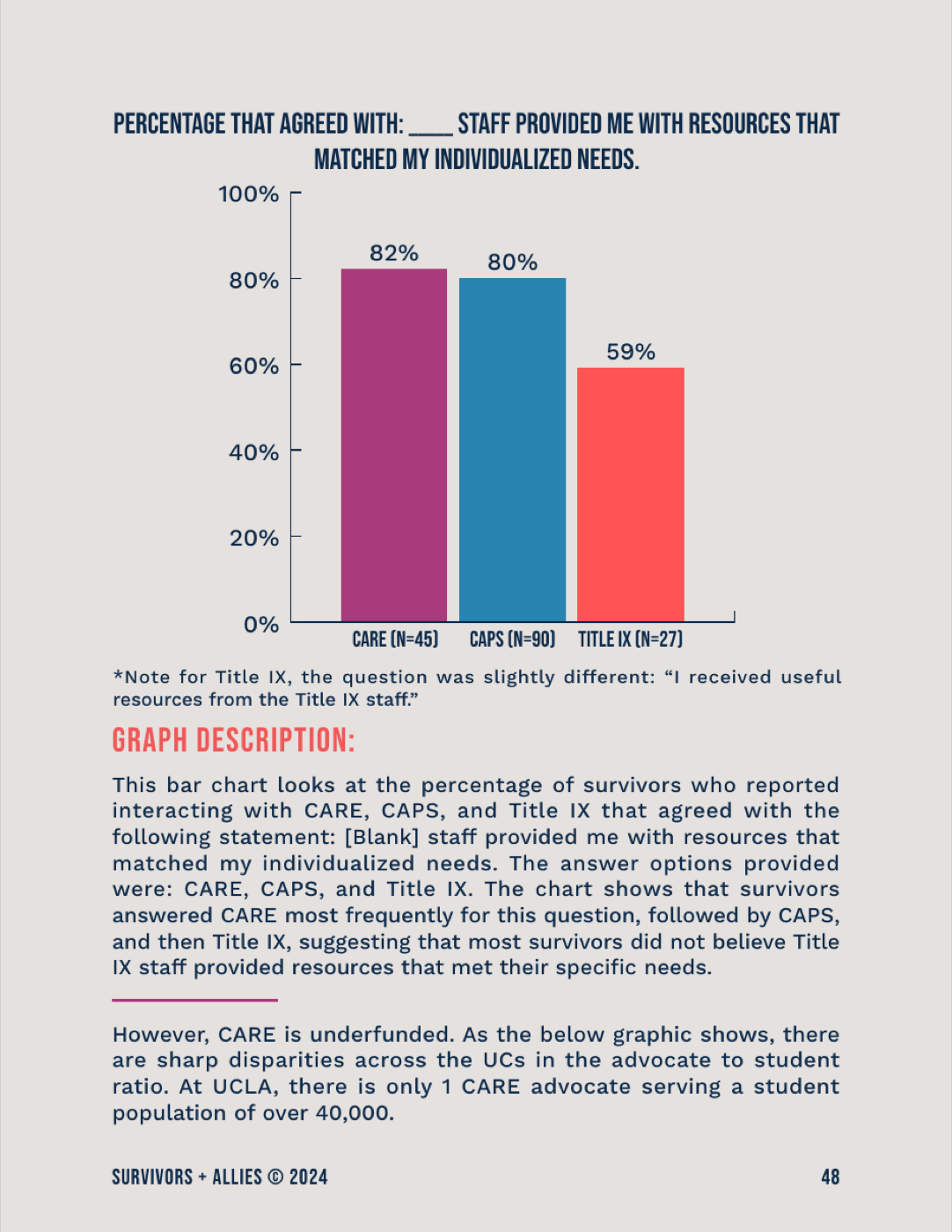
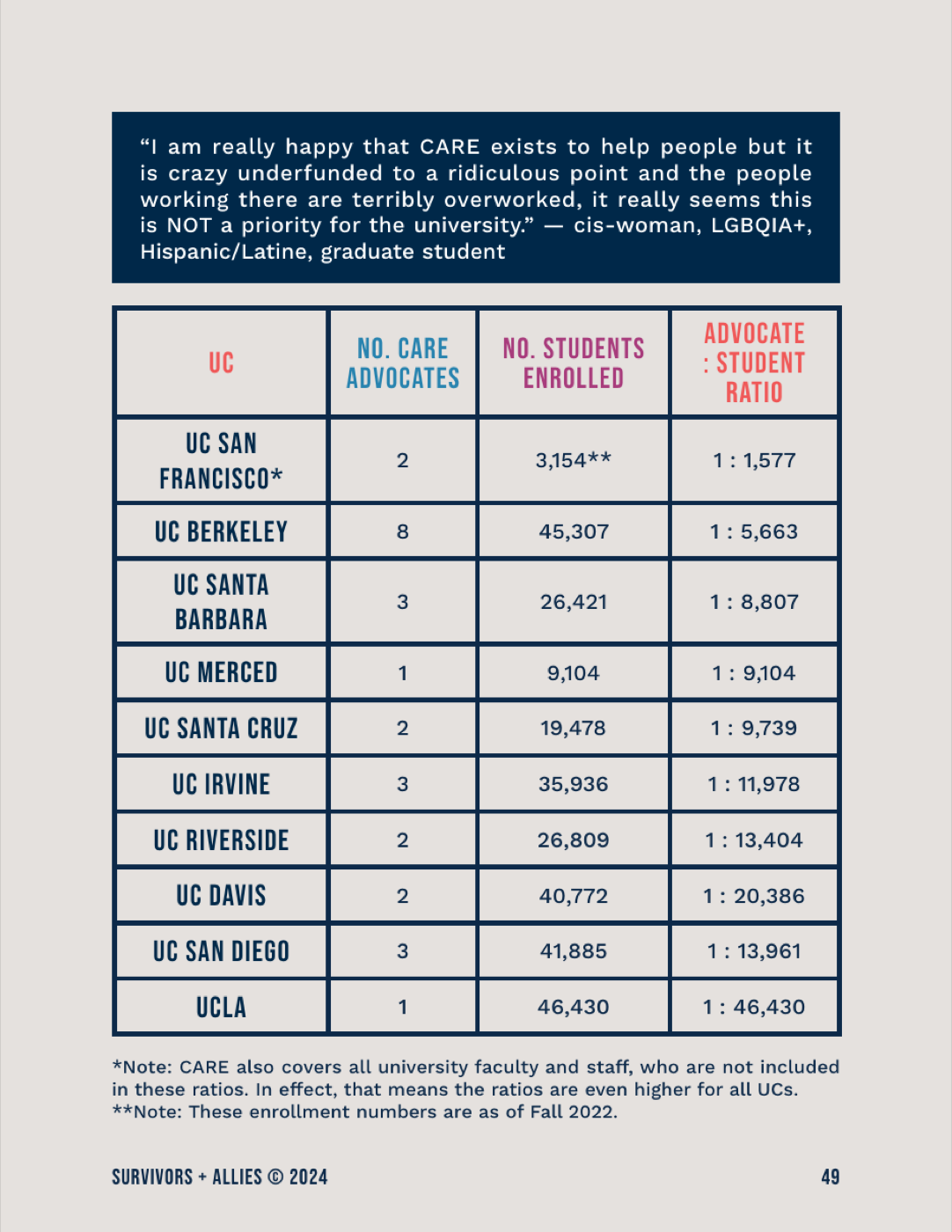
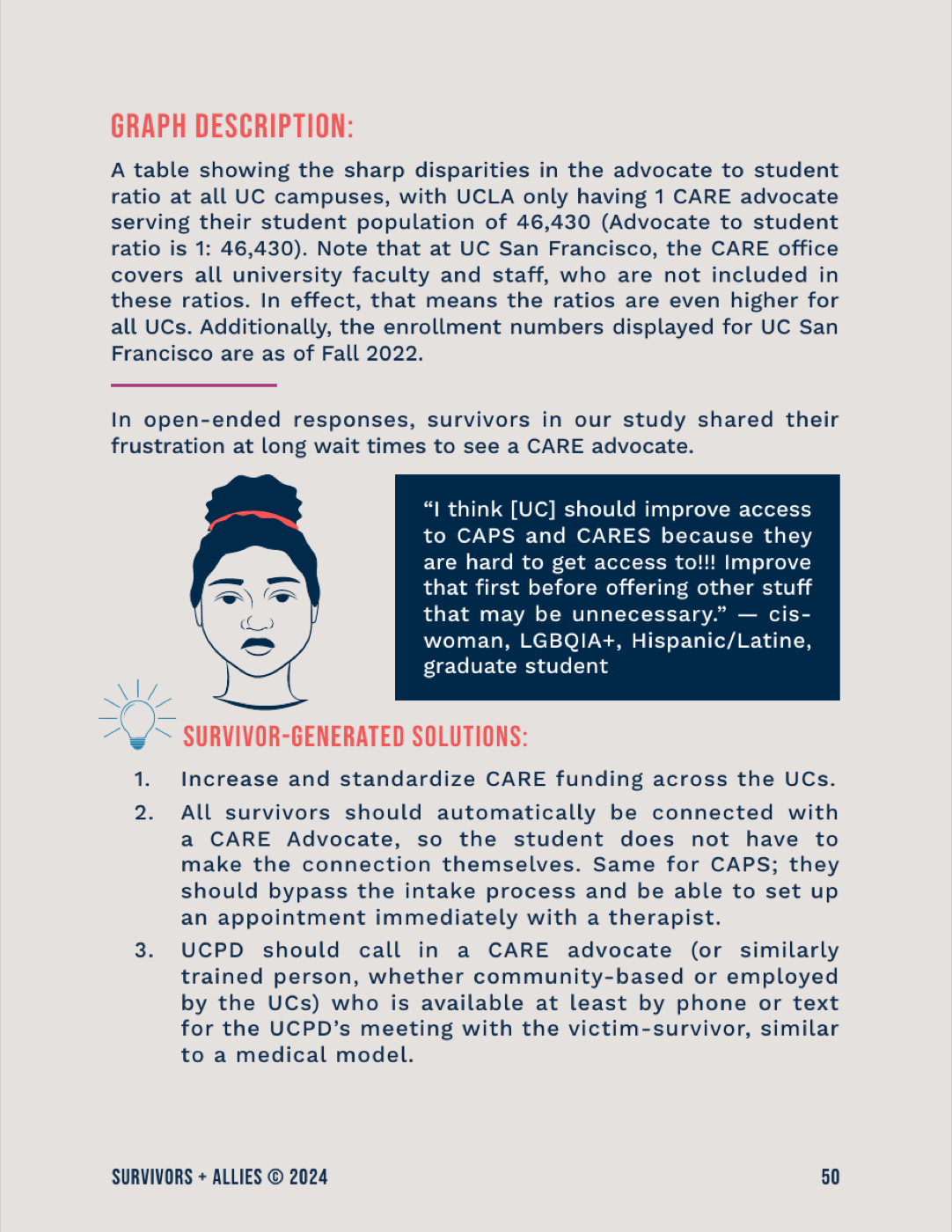
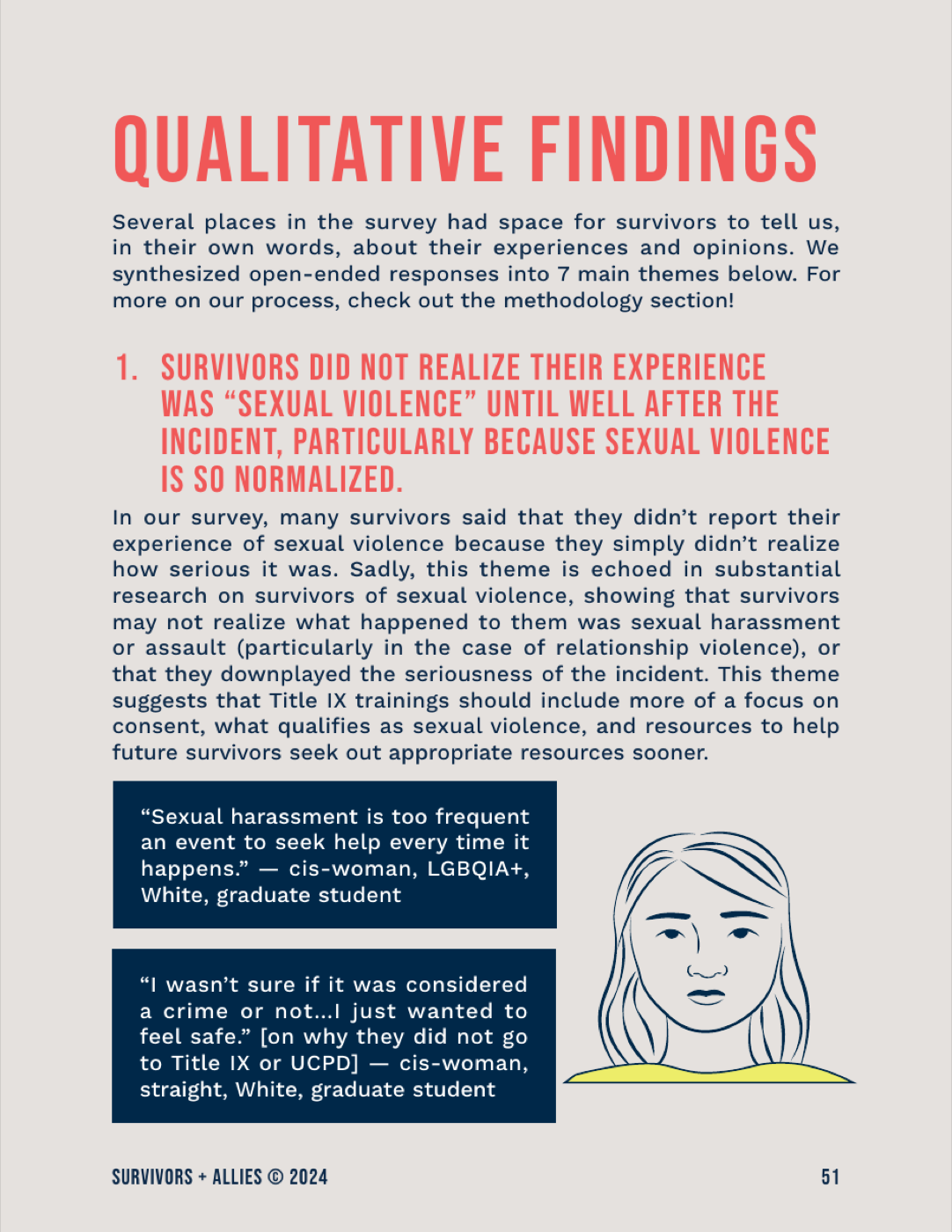
Survivors+Allies. Written by Alexander R, Amabile C, Betancourt S, Brooks M, Chiddick L, Copeland V, Haddad C, HeliaImany-Shakibai, Imbroane M, Knittig L, Lai J, Liévano-Karim L, Murray E, Park E, Philips K, Rossi R, Kathan S, Tolliver E, and Wilf S. (2024) From Surviving to Healing: Results and Demands from a Study with Survivors of Sexual Violence on University of California Campuses. UCLA Center for the Study of Women|Streisand Center, University of California Los Angeles, Los Angeles, CA.