Teaching Philosophy
My approach to teaching is grounded in identifying and reducing the structural barriers that prevent students from fully engaging with learning.
Students enter the classroom with diverse academic backgrounds, responsibilities, and constraints. My role as an educator is to design learning structures that account for this diversity while maintaining rigor and clarity. In practice, this means aligning course objectives, assignments, and assessments with transparent expectations; creating multiple points of access to course material; and actively soliciting student feedback to identify where learning processes break down. By iteratively adjusting course design and instruction, I aim to create an environment where students can focus on developing analytical skills, confidence, and intellectual independence.
Teaching Strategies
- Pre-Class Assessments: I use pre-class assessments to identify gaps in prerequisite knowledge early, allowing me to adjust pacing and provide targeted resources before students fall behind.
- In-Class Feedback: Mid-quarter feedback surveys and exit slips help me detect points of confusion or disengagement in real time, enabling course correction rather than post-hoc evaluation.
- Flexible Office Hours: By offering flexible, scheduled office hours, I reduce access barriers for students balancing work, caregiving, or time-zone constraints.
Teaching Experience
I began my teaching career in 2008 as an instructor at the Korean Center in the Department of East Asian Languages and Literatures at the University of Hawaii at Mānoa. Working with undergraduate and graduate students in both Korean and English, I quickly learned that students struggled not with interest, but with connecting language instruction to broader social and political contexts. In response, I structured one-on-one instruction and weekly discussions around contemporary issues in South Korea, integrating political geography and economics to help students situate language learning within real-world systems. This approach strengthened students’ analytical engagement and written expression in Korean.
In 2013, I served as a teaching assistant at the College of Medicine at Seoul National University for a course on global health policy and the implementation of medical technologies in resource-limited settings. Medical school students often found policy frameworks abstract and difficult to apply. To address this, I helped redesign course materials and group-based case analyses around the “Access” framework (e.g., availability, affordability, and adoption) allowing students to apply theory to concrete global health scenarios. I also coordinated a guest lecture with Dr. Michael Reich, the author of the course textbook, to connect academic frameworks with real-world policy practice.
From 2022 to 2024, I taught first-year MPH students at UCLA in foundational public health courses, serving as the sole instructor for weekly discussion sections within large cohorts. I observed that students entered the program with widely varying academic backgrounds and personal motivations, which often translated into uneven participation and confidence. To reduce these learning barriers, I redesigned discussions and assignments to allow students to apply core public health concepts to issues they personally cared about. This approach consistently increased engagement, improved analytical skill development, and supported students in translating theory into practice.
My teaching has been recognized with the UCLA Best Teaching Assistant Award in 2023. Across institutions and disciplines, students and faculty have consistently noted my ability to clarify complex concepts and create learning environments where students can engage rigorously without intimidation.
Teaching Records
- Spring 2024. Teaching Associate. Program Evaluation and Research in Community Health Sciences, UCLA
- 2/29/2024. Guest Lecture. Policy and Public Health Approaches to Violence Prevention, UCLA
- Winter 2024. Teaching Associate. Program Planning and Research in Community Health Sciences, UCLA
- Fall, 2023. Teaching Associate. Introduction to Community Health Sciences. UCLA
- Spring 2023. Teaching Assistant. Program Evaluation and Research in Community Health Sciences, UCLA
- Winter 2023. Teaching Assistant. Program Planning and Research in Community Health Sciences, UCLA
- Fall, 2022. Teaching Assistant. Introduction to Community Health Sciences. UCLA
- Fall, 2013. Teaching Assistant. Public Health Policy – Implementation on Appropriate Medical Technologies in resource-limited settings, Seoul National University College of Medicine
- Fall, 2008. Course Tutor. Department of East Asian Languages and Literatures, University of Hawaii at Manoa
Teaching Interests
My teaching interests align closely with my research focus on structural determinants of health and policy-relevant public health practice. I am particularly interested in teaching courses that equip students with the analytical tools to identify systemic drivers of health inequities and design evidence-informed interventions.
- Needs Assessment
- Program Evaluation
- Qualitative Research Methodology
- Maternal and Child Health
Links to Resources
- Mentor/Mentee Responsibilities: Compact between graduate students and thier research advisors, AAMC
- Responsible Publication and Authorship: Recommendations for Promoting Integrity in Scientific Journal Publications, Council of Science Editors
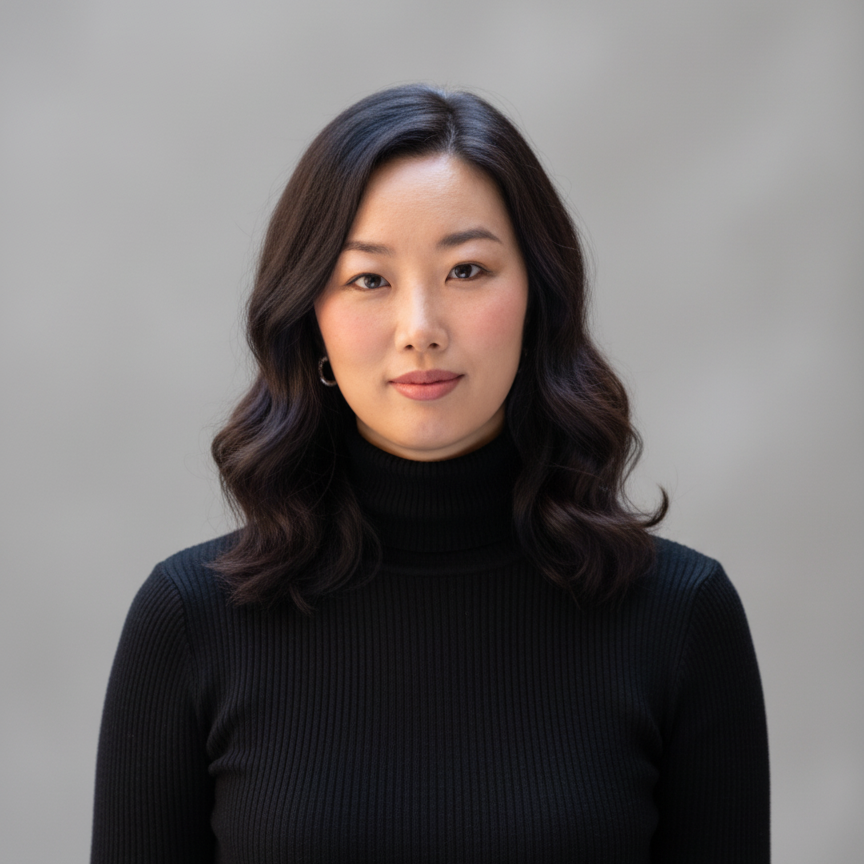
 Eunhee V. Park